Russell Terrier
Russell Terriers are small, high-energy terriers built for speed, agility, and determination. They have a compact, rectangular body and a mostly white coat with tan or black markings that may be smooth, broken, or rough. They tend to be playful and confident, often thriving in homes that enjoy training, interactive games, and daily exercise. Because terriers were bred to pursue small animals, many Russell Terriers have strong prey drive and are quick to chase. Consistent positive training and firm rules help channel their enthusiasm into good manners. For active owners, they are fun, spirited companions with a big zest for life.
The Russell Terrier is a small dog in the Terrier group, often described as energetic, bold, and smart. Adults typically weigh 9-15 lbs and stand 10-12 in, with a lifespan around 12-14 years. The American Kennel Club recognized the breed in 2012.
Quick facts
- Group: Terrier
- Size: small
- Lifespan: 12-14 years
- AKC recognized: 2012
- Weight: 9-15 lbs
- Height: 10-12 in
- Temperament: Energetic, Bold, Smart, Playful
Temperament & day-to-day life
Temperament helps you predict what daily life with this breed may feel like. The Russell Terrier is often described as Energetic, Bold, Smart, Playful. Individual dogs vary, but these traits are a solid starting point when you’re planning training, enrichment, and routines.
If you’re researching this breed because you’re trying to identify your own dog, use temperament as supporting evidence—not the final verdict. Compare size, proportions, and behavior patterns, then explore visual matches from a photo using the AI dog breed identifier.
Training & exercise
Most terriers were bred to pursue vermin and work with determination. Many are confident, persistent, and surprisingly quick learners when motivated.
Consistency matters: set rules early, reward calm focus, and avoid letting small habits become big ones. Keep training fun to maintain engagement.
Terriers often benefit from energetic play and problem-solving games. A bored terrier will invent its own activities—usually the loud kind.
History
The Russell Terrier goes back to the fox-working terriers kept by the Rev. John Russell, England’s “Sporting Parson,” in the mid-1800s. They were bred to be quick enough to run with the hounds and small and tough enough to go to ground after a fox. The type began in England and was further developed in Australia, and it is now a separate breed from the related Parson Russell Terrier.
Care tips
Good care is less about perfection and more about consistency. Start with simple routines you can keep up—daily movement, a predictable feeding plan, and regular check-ins for ears, nails, and skin.
- Give them daily exercise and training; boredom can lead to mischief.
- Use secure fencing and a leash—prey drive can trigger chasing.
- Try brain games, agility-style play, and trick training.
- Teach calm greetings and impulse control early.
- Groom weekly; coat type may be smooth, broken, or rough.
Similar breeds to compare
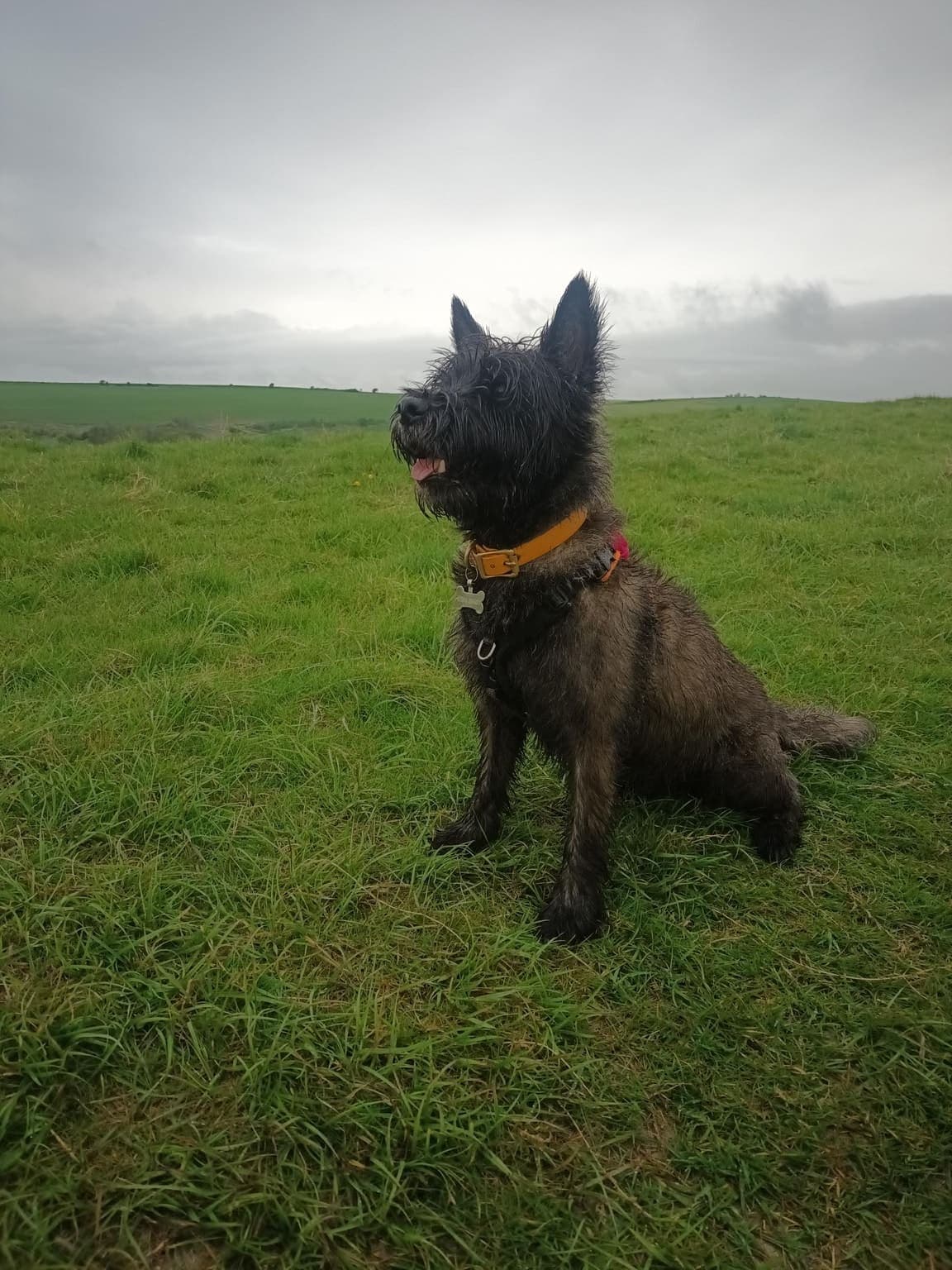
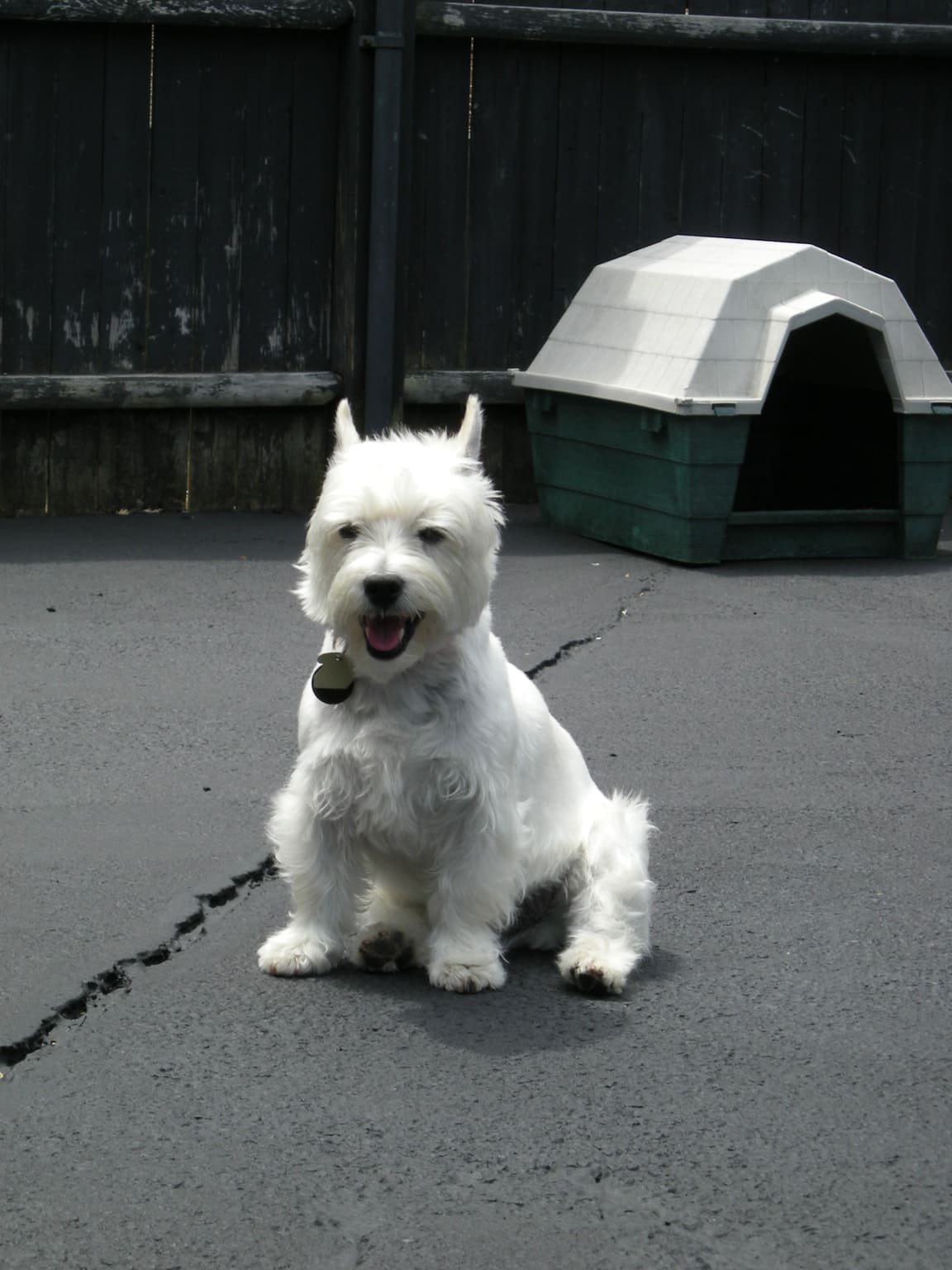
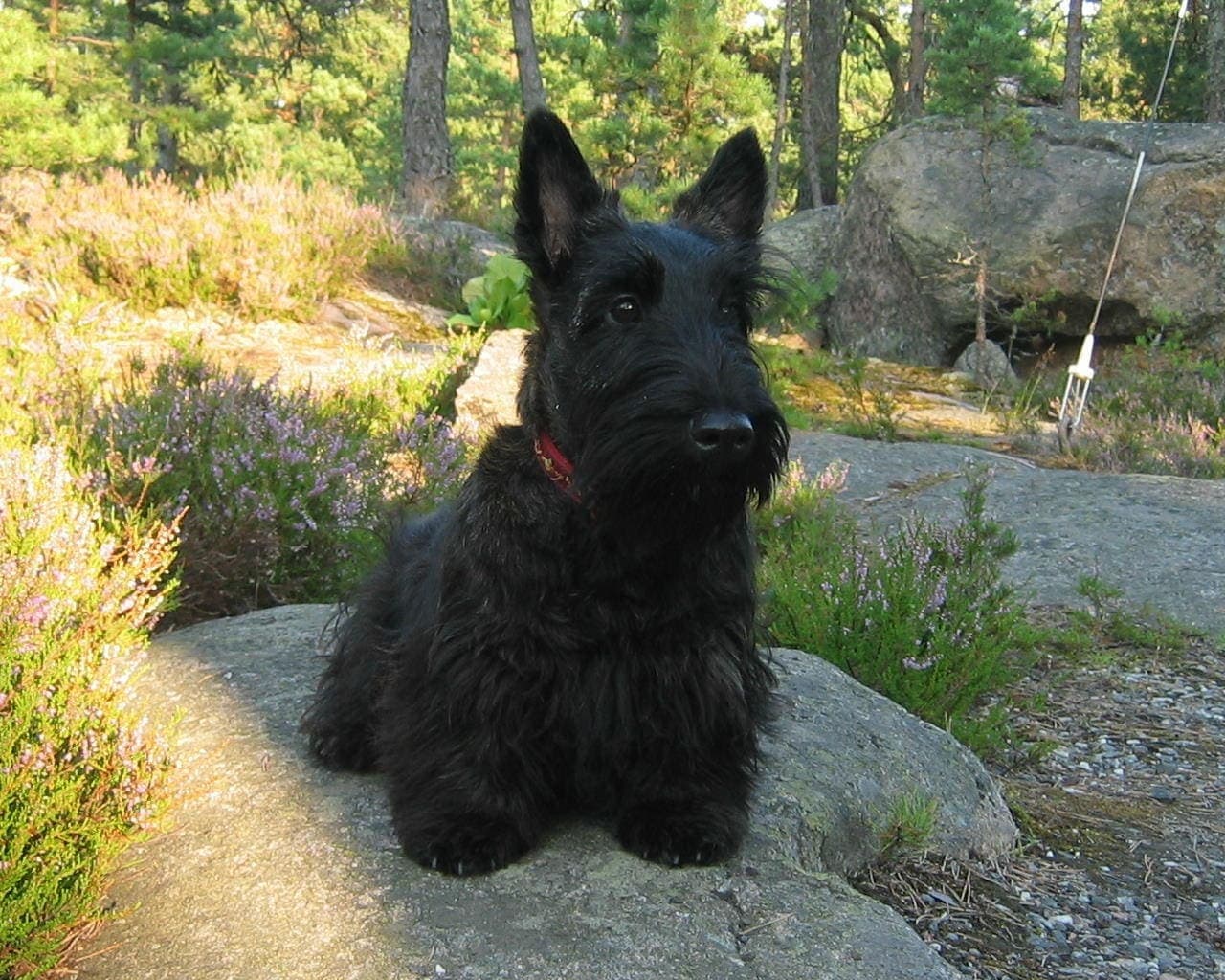
Many breeds share similar silhouettes and features. If you’re comparing AI results or deciding between breeds, it helps to read a few profiles side by side. Breeds often compared with the Russell Terrier include Norfolk Terrier, Cairn Terrier, West Highland White Terrier, Scottish Terrier.
When you compare, focus on structure (muzzle length, ear set, body proportions) as much as coat color. Then confirm by looking at temperament and daily care needs.
FAQ
How big do Russell Terriers get?
Most adult Russell Terriers weigh 9-15 lbs and stand 10-12 in at the shoulder. Genetics, diet, and activity level all influence an individual dog's size.
How long do Russell Terriers live?
The typical lifespan is 12-14 years. Preventive vet care, healthy weight, and consistent daily exercise are some of the biggest factors that support longevity.
What is the Russell Terrier temperament like?
Many owners describe this breed as Energetic, Bold, Smart, Playful. Early socialization and reward-based training help those traits show up as calm confidence at home and on walks.
How can I identify a Russell Terrier from a photo?
Upload a clear photo (ideally with the full body visible) to our dog breed identifier. Use the results as a starting point, then compare likely matches in the breed directory. If you are still asking what breed is my dog, that guide walks through ear set, muzzle, coat, and size before you upload.
Sources and further reading
This profile is reviewed against primary registry material. General care information is educational; ask a veterinarian about an individual dog's health or treatment.
- American Kennel Club: Russell Terrier: Primary registry overview for breed history, group, structure, and typical traits.
See our editorial and correction policy.