French Bulldog
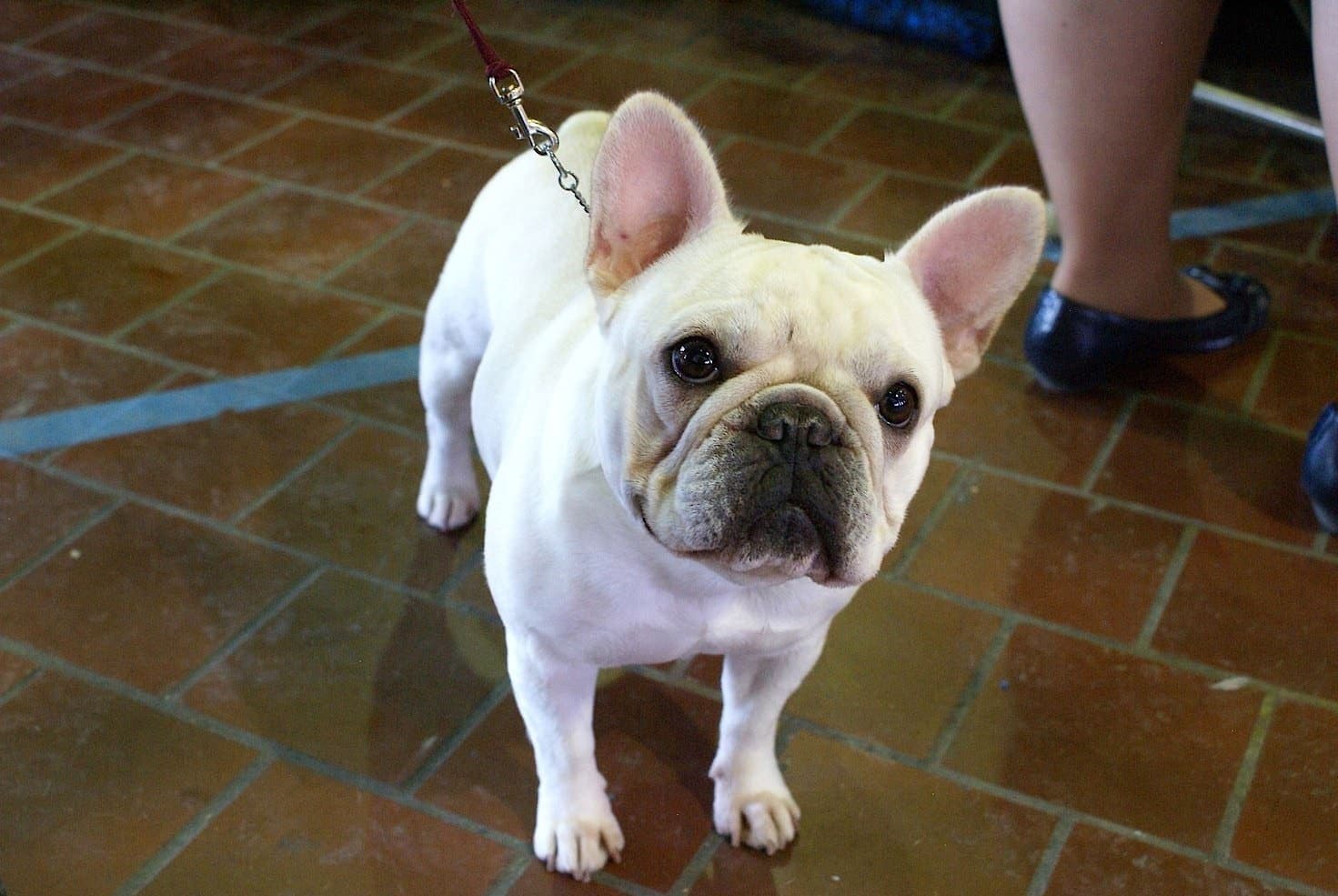
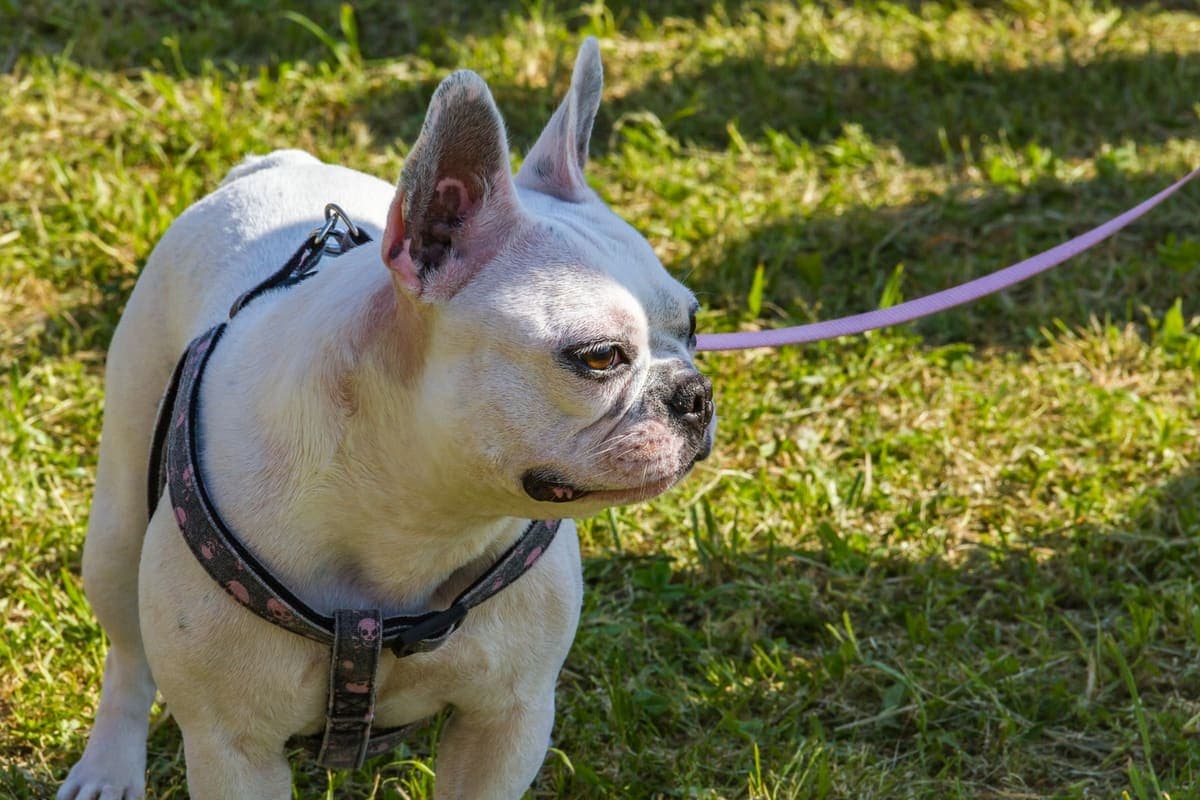
Photo by Lua Bittencourt from Porto, Portugal · CC BY 2.0
French Bulldogs pack a big personality into a compact frame, and they have a real talent for staying close to their favorite humans. Frenchies are affectionate, funny, and content with moderate exercise—perfect for city apartments. That short muzzle and sturdy body does make them sensitive to heat and overexertion, so keep exercise balanced. Train calmly and give them plenty of social time, and your Frenchie will become a devoted family member who greets the whole neighborhood.
The French Bulldog is a small dog in the Non-Sporting group, known for Affectionate, Playful, Adaptable. Adults typically weigh 16-28 lbs and stand 11-13 in, with a lifespan around 10-12 years.
Quick facts
- Group: Non-Sporting
- Size: small
- Lifespan: 10-12 years
- Weight: 16-28 lbs
- Height: 11-13 in
- Temperament: Affectionate, Playful, Adaptable, People-oriented
Temperament & day-to-day life
Temperament helps you predict what daily life with this breed may feel like. The French Bulldog is often described as Affectionate, Playful, Adaptable, People-oriented. Individual dogs vary, but these traits are a solid starting point when you’re planning training, enrichment, and routines.
If you’re researching this breed because you’re trying to identify your own dog, use temperament as supporting evidence—not the final verdict. Compare size, proportions, and behavior patterns, then explore visual matches from a photo using the AI dog breed identifier.
Training & exercise
Non-sporting is a diverse group, so energy level and temperament can vary widely. What matters most is the individual breed’s traits and routine.
Start with the basics—reinforce desired behaviors and build habits that match your lifestyle. Consistency beats intensity for most households.
Aim for a steady daily routine with walks plus a little brain work. Adjust up or down based on your dog’s energy and recovery.
History
French Bulldogs developed from small bulldog types brought to France by English workers, where they were crossed and refined into today’s distinctive bat-eared companion.
Care tips
Good care is less about perfection and more about consistency. Start with simple routines you can keep up—daily movement, a predictable feeding plan, and regular check-ins for ears, nails, and skin.
- Keep exercise moderate and avoid intense activity in heat.
- Clean facial folds gently to prevent irritation.
- Maintain a healthy weight to reduce breathing strain.
- Start socialization early to build confidence.
- Use a harness instead of a collar for walks.
How the detector tells a French Bulldog apart
Our reviewed benchmark groups the French Bulldog with breeds that share its silhouette, coat, or head type, so the photo detector is measured against them directly. These are the visible differences the model keys on, and the ones to check yourself when two matches sit close together.
Look-alike group: Flat-faced companions
All three are compact small dogs with a short muzzle, broad skull and large round eyes, so a head-on photo shows the same flat, wide-eyed face.
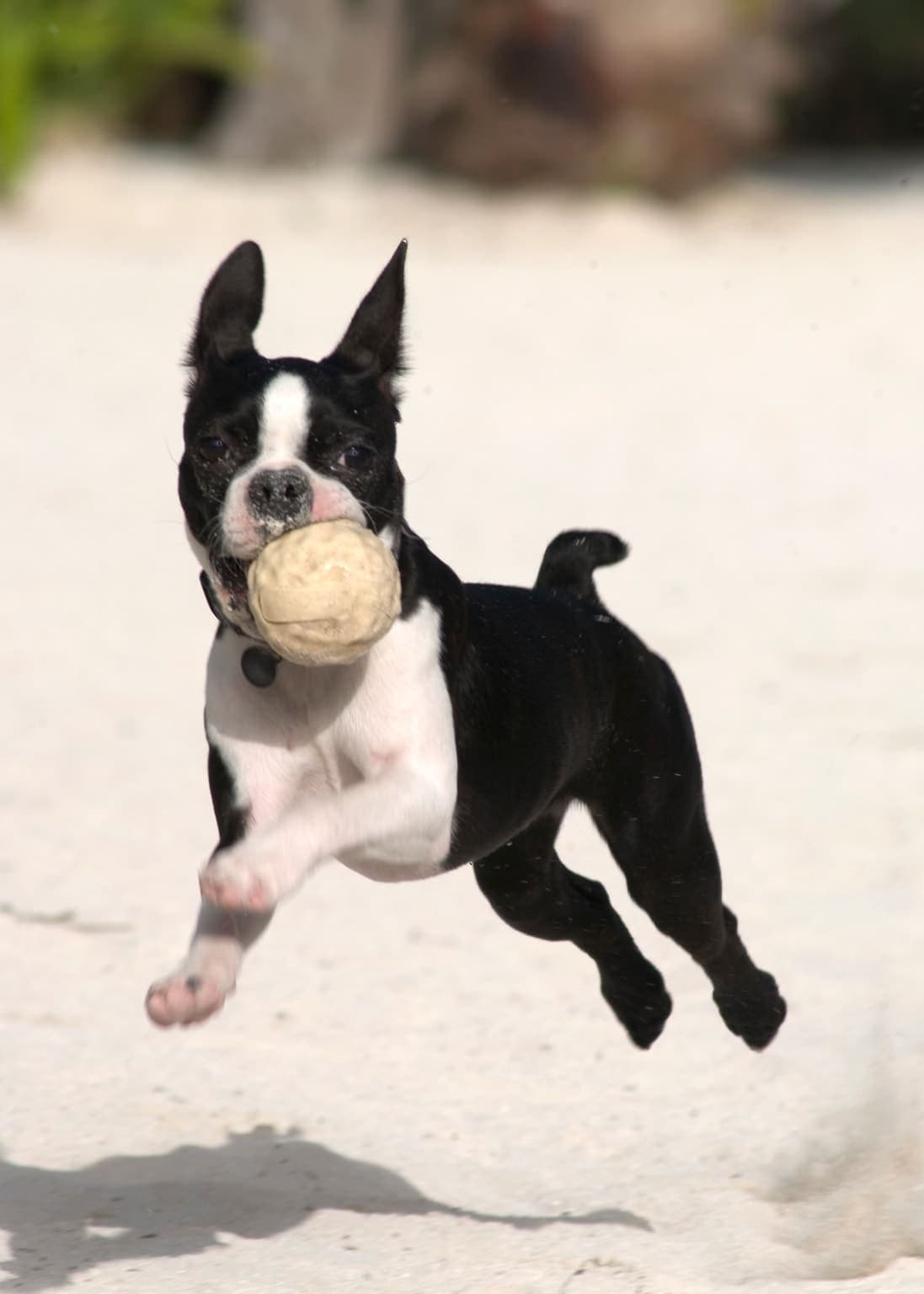
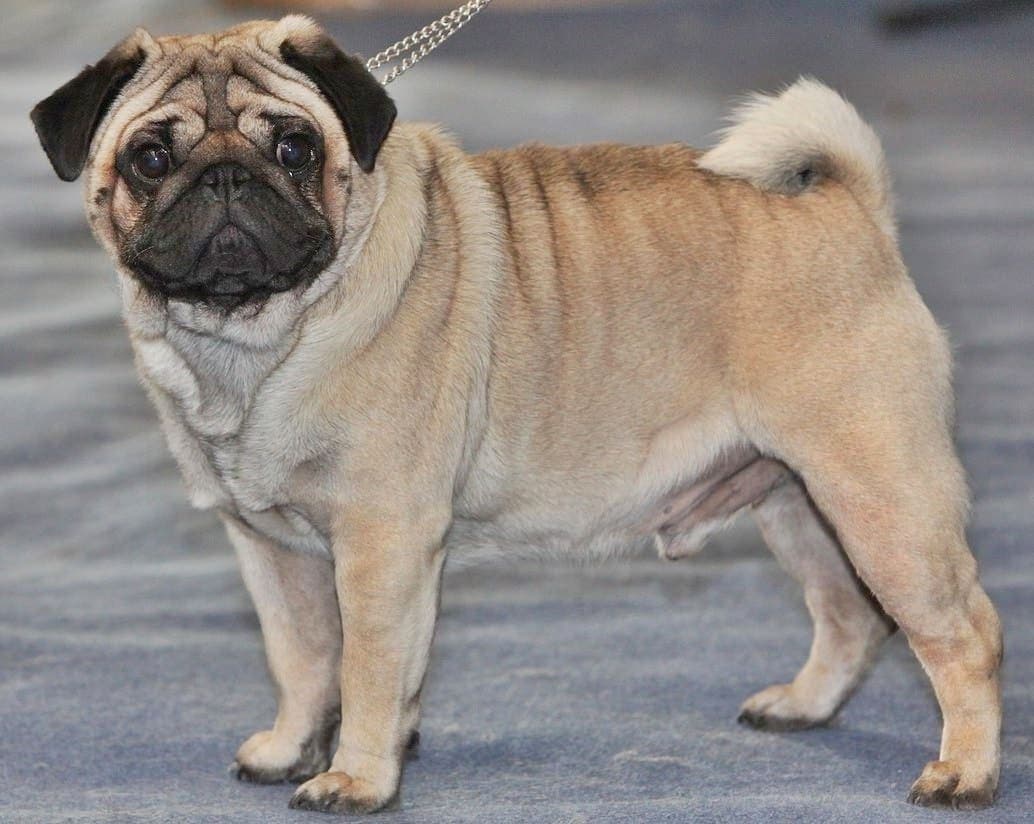
- A French Bulldog's bat ears are broad at the base and rounded at the top, a Boston Terrier's ears are smaller, pointed and erect, and a Pug's ears are small, velvety and folded against the head.
- A Pug's tail curls tightly over the hip, ideally in a double curl, while Boston Terriers and French Bulldogs have a short, low-set tail that is straight or screwed.
- The Boston Terrier is square and leggy at 15-17 in with a tucked-up waist, the French Bulldog is low and wide at 11-13 in with a slight rise over the loin, and the Pug is a cobby 10-13 in.
- A Pug has a round head, deep forehead wrinkles and a broad black mask; a Boston Terrier's muzzle is short but square and smooth; a French Bulldog has heavy wrinkles over the nose beneath a flat skull.
- Boston Terriers wear a tuxedo pattern of black, brindle or seal with a white blaze, muzzle and chest, while French Bulldogs and Pugs are mostly fawn, brindle, black or cream without that symmetrical white marking.
Commonly mistaken for:
Side-by-side guides:
Read how the groups were built and how the model is tested in the confused dog breeds study and the testing methodology.
Similar breeds to compare
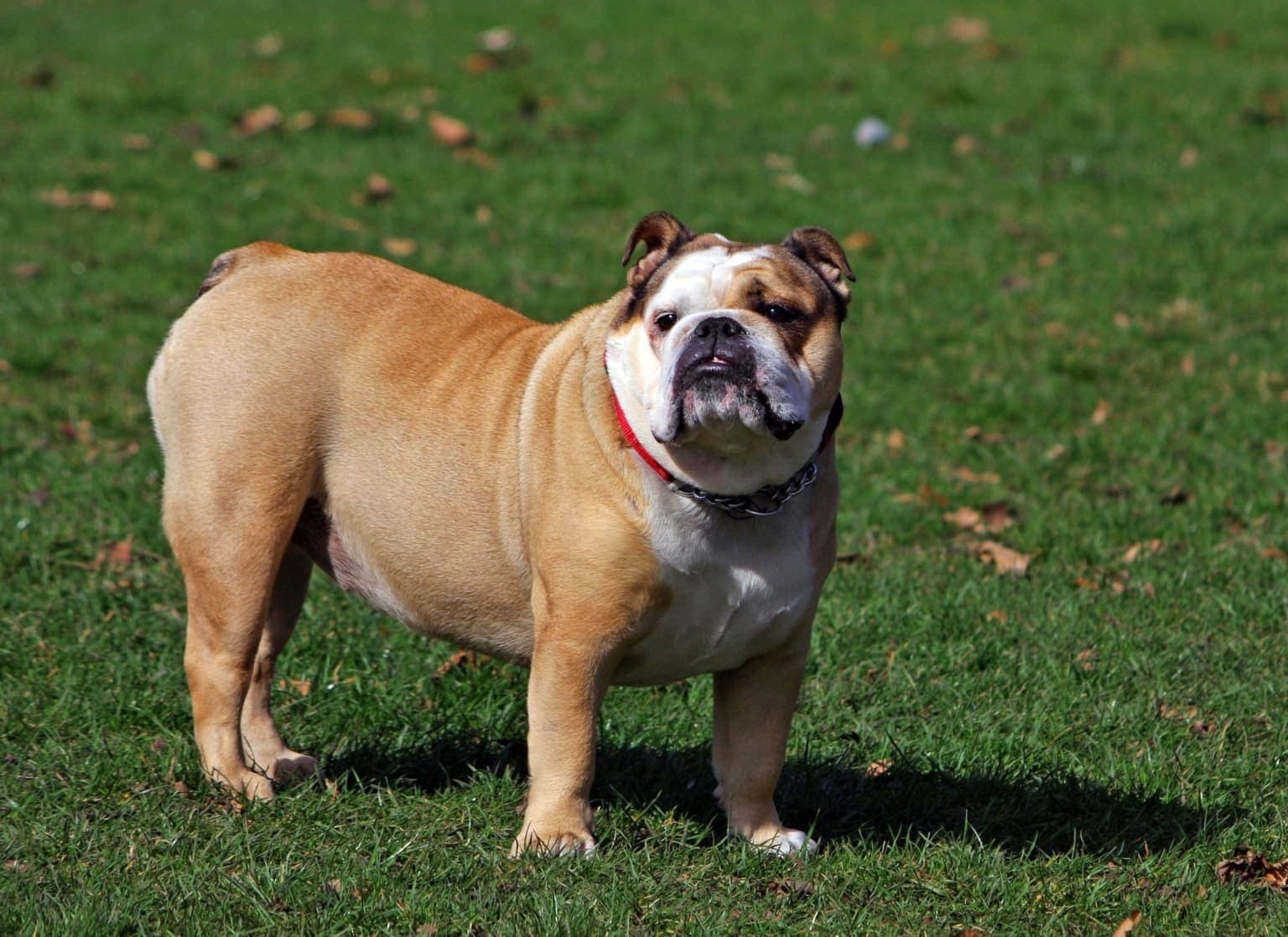
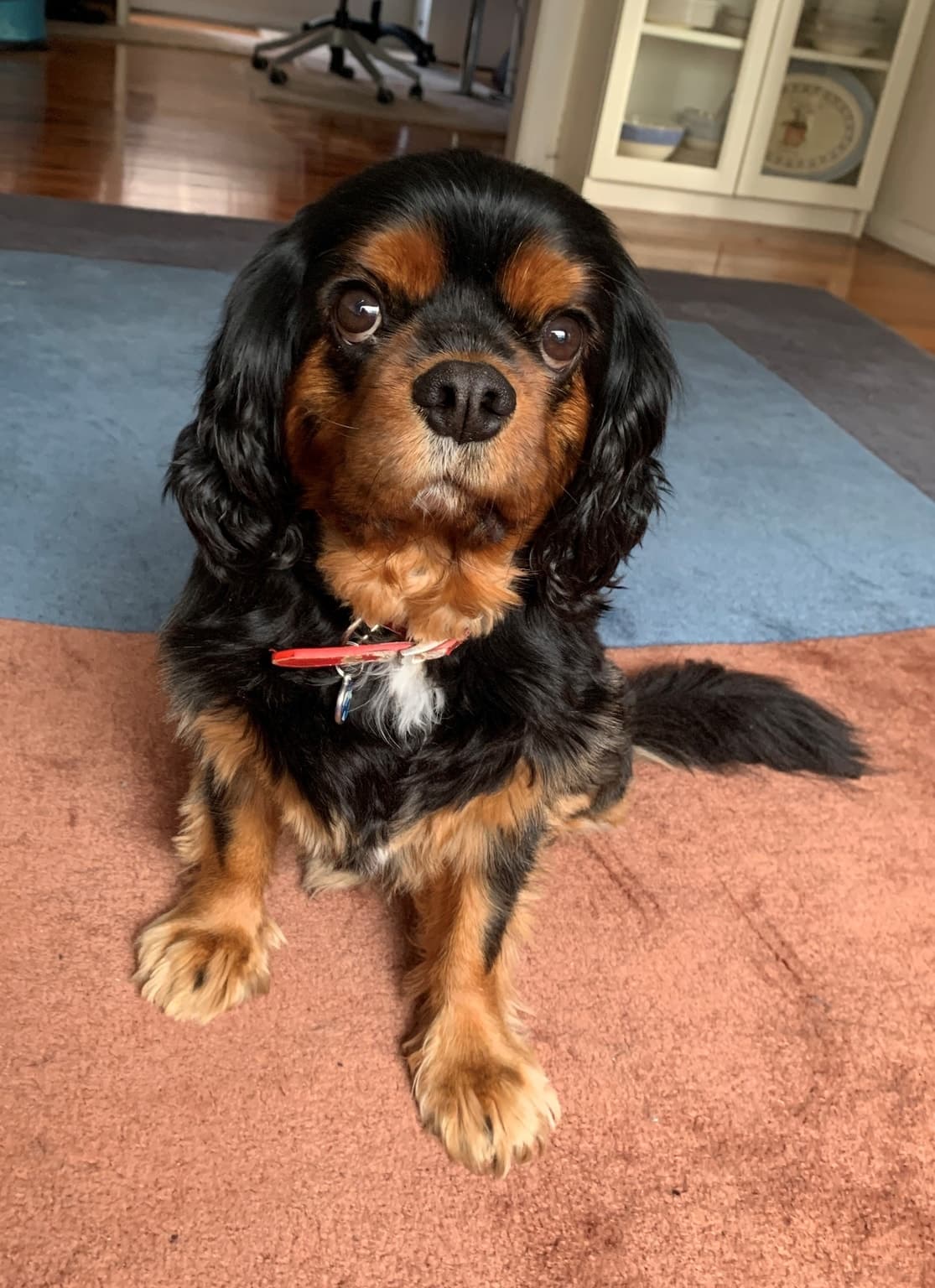
Many breeds share similar silhouettes and features. If you’re comparing AI results or deciding between breeds, it helps to read a few profiles side by side. Common look-alikes and close cousins to the French Bulldog include Bulldog, Boston Terrier, Pug, Cavalier King Charles Spaniel.
When you compare, focus on structure (muzzle length, ear set, body proportions) as much as coat color. Then confirm by looking at temperament and daily care needs.
FAQ
How big do French Bulldogs get?
Most adult French Bulldogs fall around 16-28 lbs and stand 11-13 in. Genetics, diet, and activity level all influence where an individual dog lands within that range.
How long do French Bulldogs live?
The typical lifespan is 10-12 years. Preventive vet care, healthy weight, and consistent daily exercise are some of the biggest factors that support longevity.
What is the French Bulldog temperament like?
Many owners describe this breed as Affectionate, Playful, Adaptable, People-oriented. Early socialization and reward-based training help those traits show up as calm confidence at home and on walks.
How can I identify a French Bulldog from a photo?
Upload a clear photo (ideally with the full body visible) to our dog breed identifier. Use the results as a starting point, then compare likely matches in the breed directory. If you are still asking what breed is my dog, that guide walks through ear set, muzzle, coat, and size before you upload.
Sources and further reading
This profile is reviewed against primary registry material. General care information is educational; ask a veterinarian about an individual dog's health or treatment.
- American Kennel Club: French Bulldog: Primary registry overview for breed history, group, structure, and typical traits.
See our editorial and correction policy.