Shetland Sheepdog
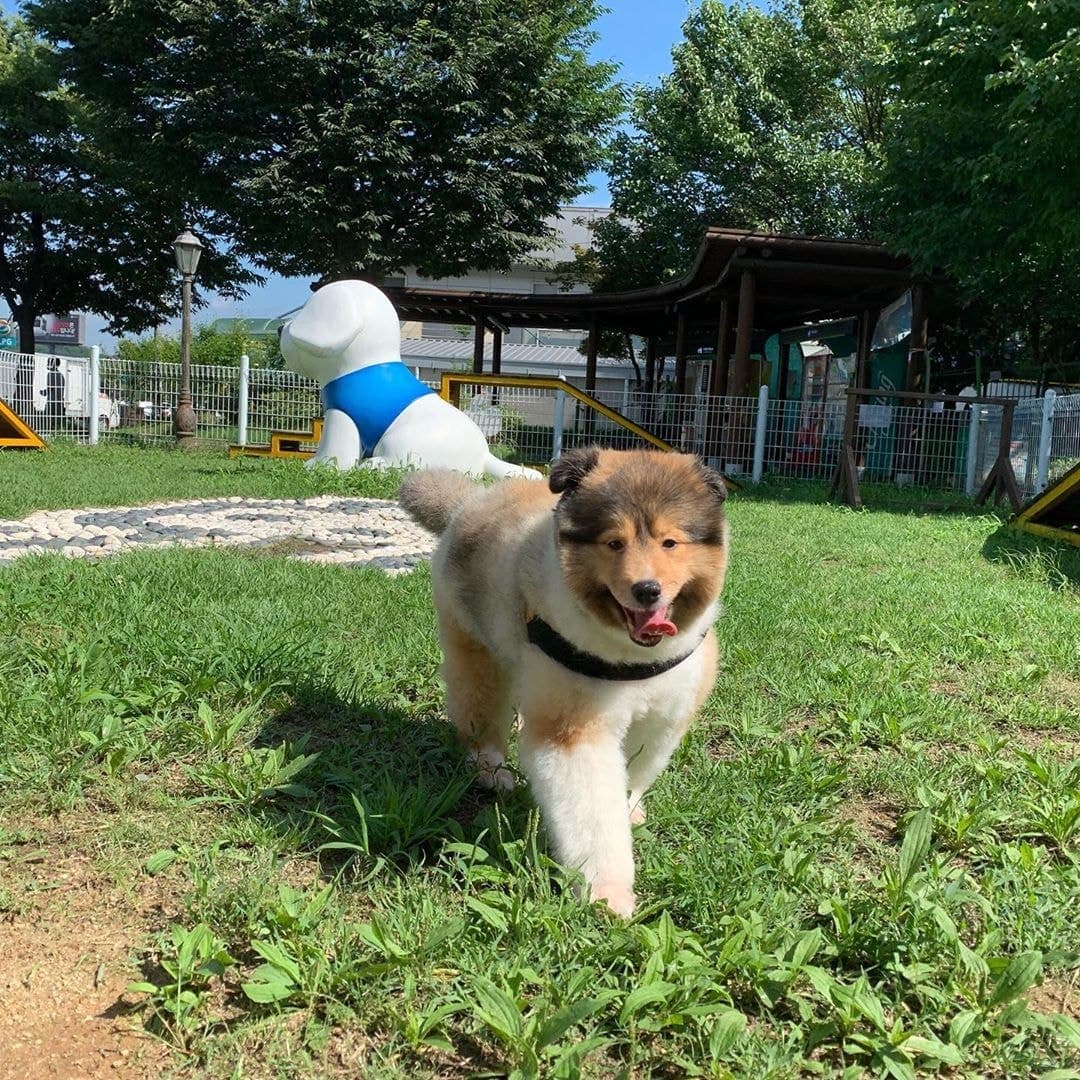
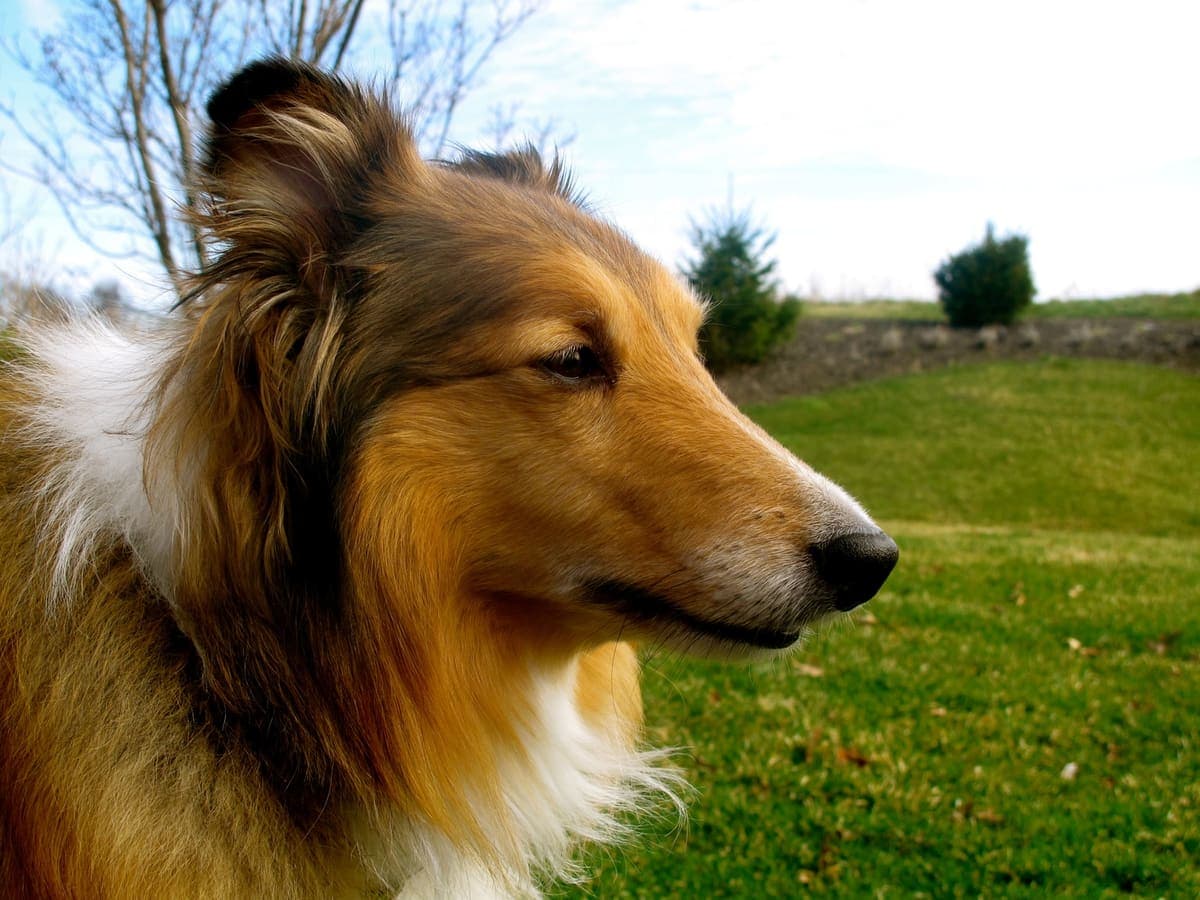
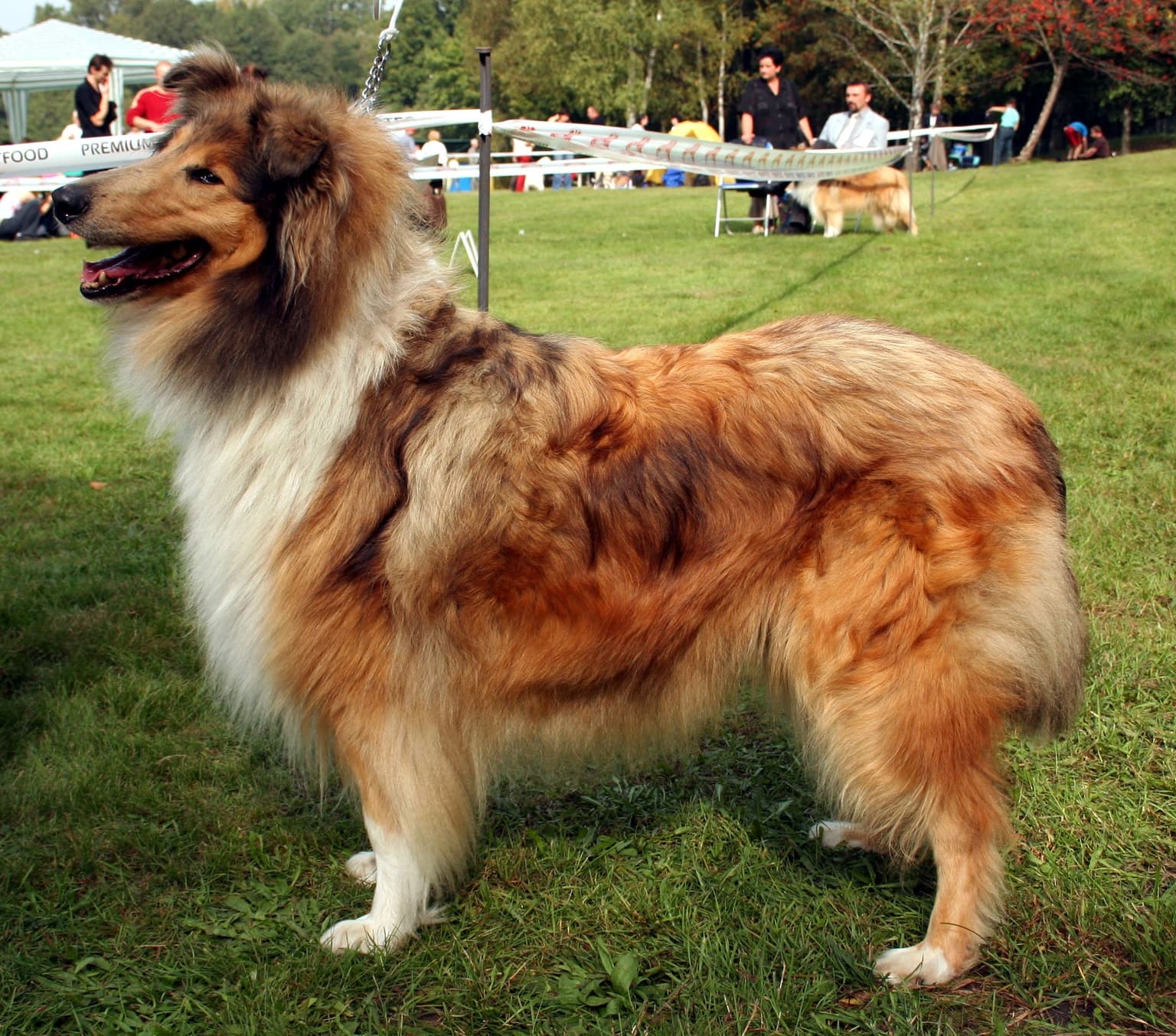
Photo by Lehmand97 · CC BY-SA 3.0
Shetland Sheepdogs, often called Shelties, are bright herding dogs known for trainability and a strong bond with their families. They typically excel in obedience and agility-style games and enjoy having predictable routines. Many Shelties are alert and may bark at new sounds or movement, so calm training helps shape good habits. Their long double coat is beautiful but requires regular brushing. With enrichment and rewards, Shelties can be responsive, affectionate companions.
The Shetland Sheepdog is a medium dog in the Herding group, known for Intelligent, Sensitive, Loyal. Adults typically weigh 15-25 lbs and stand 13-16 in, with a lifespan around 12-14 years.
Quick facts
- Group: Herding
- Size: medium
- Lifespan: 12-14 years
- Weight: 15-25 lbs
- Height: 13-16 in
- Temperament: Intelligent, Sensitive, Loyal, Alert
Temperament & day-to-day life
Temperament helps you predict what daily life with this breed may feel like. The Shetland Sheepdog is often described as Intelligent, Sensitive, Loyal, Alert. Individual dogs vary, but these traits are a solid starting point when you’re planning training, enrichment, and routines.
If you’re researching this breed because you’re trying to identify your own dog, use temperament as supporting evidence—not the final verdict. Compare size, proportions, and behavior patterns, then explore visual matches from a photo using the AI dog breed identifier.
Training & exercise
Herding breeds were bred to move livestock and make quick decisions. Many are observant, energetic, and happiest when they have structured work.
Training tends to click when you keep sessions short, frequent, and goal-oriented. Teach calm behaviors early so drive doesn’t turn into reactivity.
Most herding dogs need both physical outlets and brain work (training games, puzzle toys, structured play) to feel settled at home.
History
Shelties originated on Scotland’s Shetland Islands, where small herding dogs were valued for managing livestock in harsh conditions. They were later refined into the modern breed with a collie-like appearance.
Care tips
Good care is less about perfection and more about consistency. Start with simple routines you can keep up—daily movement, a predictable feeding plan, and regular check-ins for ears, nails, and skin.
- Brush the coat several times per week to reduce tangles and shedding.
- Plan for daily training—Shelties thrive on learning and structure.
- Teach calm barking habits early, using rewards.
- Introduce them to new things gradually; sensitive dogs do best with gentle exposure.
- Try brain games and athletic play to prevent anxiety behaviors.
How the detector tells a Shetland Sheepdog apart
Our reviewed benchmark groups the Shetland Sheepdog with breeds that share its silhouette, coat, or head type, so the photo detector is measured against them directly. These are the visible differences the model keys on, and the ones to check yourself when two matches sit close together.
Look-alike group: Collie-type herders
White collars and blazes, tipped or semi-erect ears and merle or tricolor coats run right across this group, and the Miniature American Shepherd is an Australian Shepherd at reduced scale.
- The Rough Collie and Shetland Sheepdog have a long, refined wedge head with an almost flat skull and barely any stop, while the Border Collie and Australian Shepherd have a broader skull with a clear stop between the eyes.
- Check the tail: Australian Shepherds and Miniature American Shepherds have a docked or naturally short tail, while Border Collies, Shetland Sheepdogs and Rough Collies carry a long, feathered tail low with an upward swirl at the tip.
- Size splits the look-alikes: a Rough Collie stands 22-26 in and 50-75 lbs while a Shetland Sheepdog is 13-16 in and 15-25 lbs, and an Australian Shepherd is 18-23 in while a Miniature American Shepherd is 13-18 in and 20-40 lbs.
- Shetland Sheepdogs and Rough Collies carry their ears three-quarters erect with the tips folding forward, Australian Shepherds have triangular ears set high that break forward or to the side, and Border Collie ears vary from fully pricked to fully dropped.
- A Rough Collie or Shetland Sheepdog wears a profuse, stand-off coat with a full mane and frill; an Australian Shepherd's coat is moderate and lies closer, and a Border Collie may be smooth-coated altogether.
Commonly mistaken for:
Read how the groups were built and how the model is tested in the confused dog breeds study and the testing methodology.
Similar breeds to compare
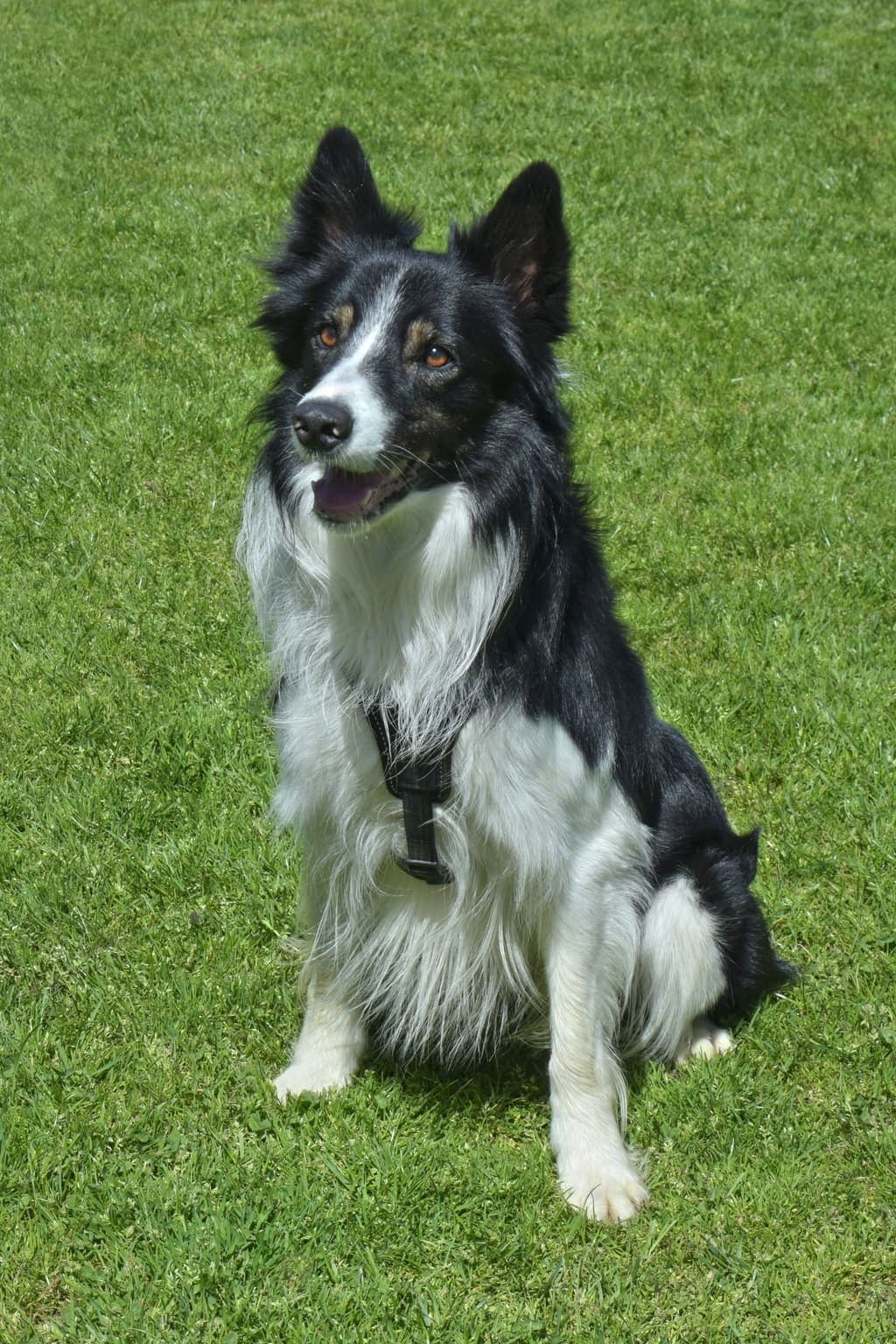
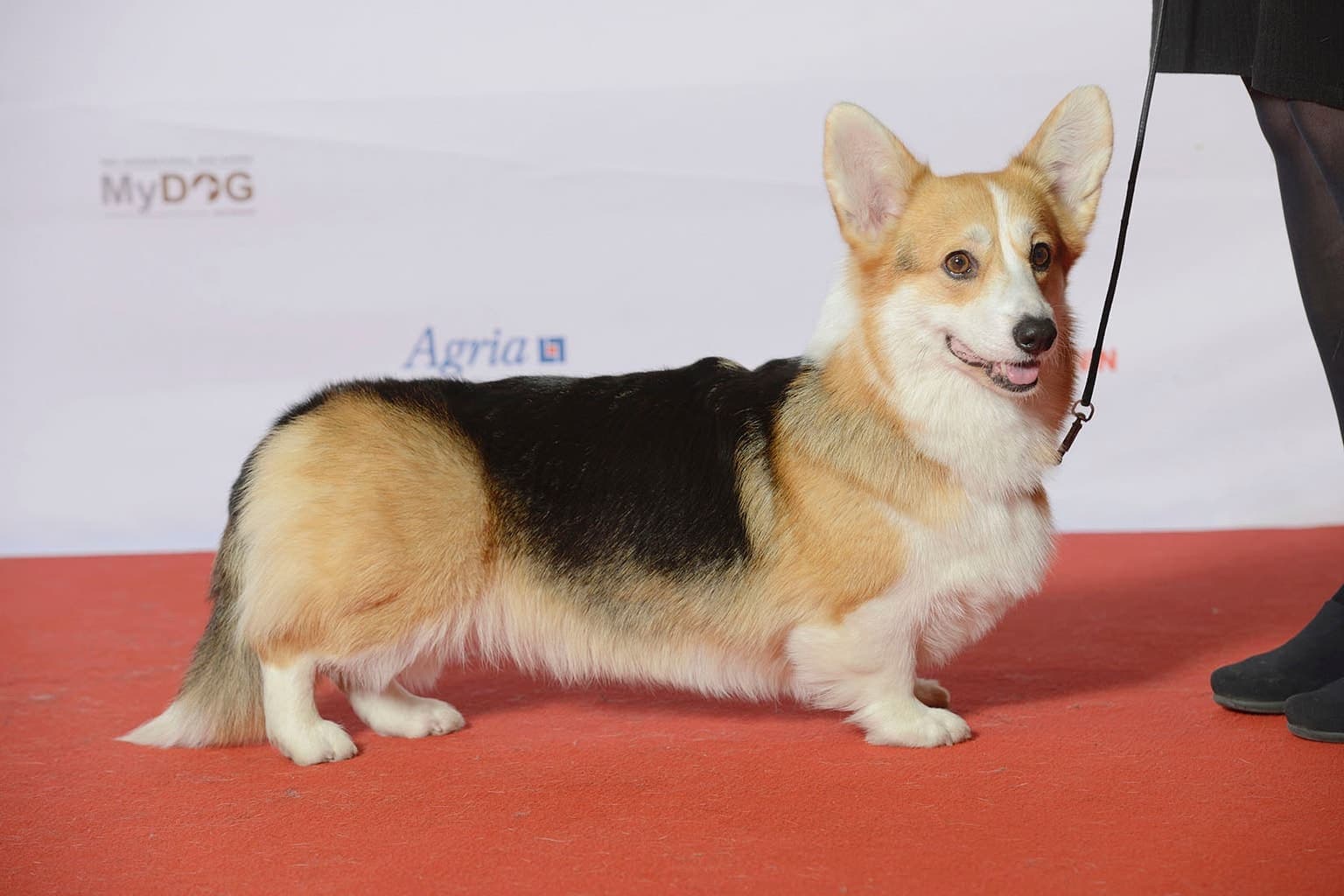
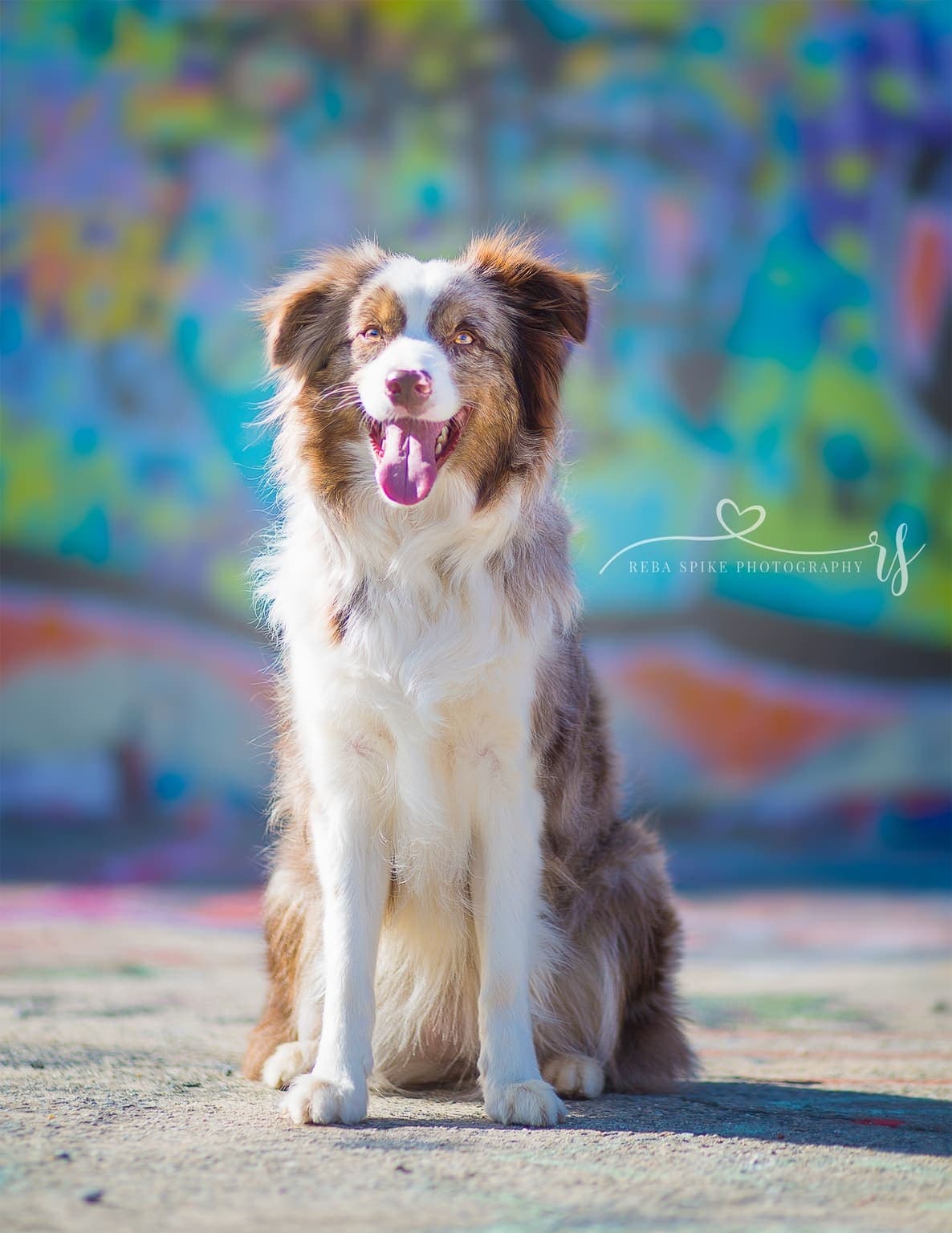
Many breeds share similar silhouettes and features. If you’re comparing AI results or deciding between breeds, it helps to read a few profiles side by side. Common look-alikes and close cousins to the Shetland Sheepdog include Rough Collie, Border Collie, Pembroke Welsh Corgi, Australian Shepherd.
When you compare, focus on structure (muzzle length, ear set, body proportions) as much as coat color. Then confirm by looking at temperament and daily care needs.
FAQ
How big do Shetland Sheepdogs get?
Most adult Shetland Sheepdogs fall around 15-25 lbs and stand 13-16 in. Genetics, diet, and activity level all influence where an individual dog lands within that range.
How long do Shetland Sheepdogs live?
The typical lifespan is 12-14 years. Preventive vet care, healthy weight, and consistent daily exercise are some of the biggest factors that support longevity.
What is the Shetland Sheepdog temperament like?
Many owners describe this breed as Intelligent, Sensitive, Loyal, Alert. Early socialization and reward-based training help those traits show up as calm confidence at home and on walks.
How can I identify a Shetland Sheepdog from a photo?
Upload a clear photo (ideally with the full body visible) to our dog breed identifier. Use the results as a starting point, then compare likely matches in the breed directory. If you are still asking what breed is my dog, that guide walks through ear set, muzzle, coat, and size before you upload.
Sources and further reading
This profile is reviewed against primary registry material. General care information is educational; ask a veterinarian about an individual dog's health or treatment.
- American Kennel Club: Shetland Sheepdog: Primary registry overview for breed history, group, structure, and typical traits.
See our editorial and correction policy.