Maltese vs Bichon Frise vs Havanese
Three small white dogs with drop ears and a plumed tail, all sold as low-shedding companions and often wearing the same short pet trim. Owners, shelters and photo models mix them up because on a groomed dog the coat hides most of the skeleton, leaving only subtle cues: ear set, eye shape, the texture of whatever hair remains, and how big the dog looks next to the sofa.
The single fastest tell is colour. A Maltese is white, full stop, with at most a faint lemon tinge on the ears. A Bichon is white too, though puppies can carry cream or apricot shading that fades. A Havanese comes in every colour: cream, gold, sable, chocolate, black, brindle and parti. A real patch of colour anywhere on the body means the dog is not a Maltese and is very unlikely to be a Bichon.
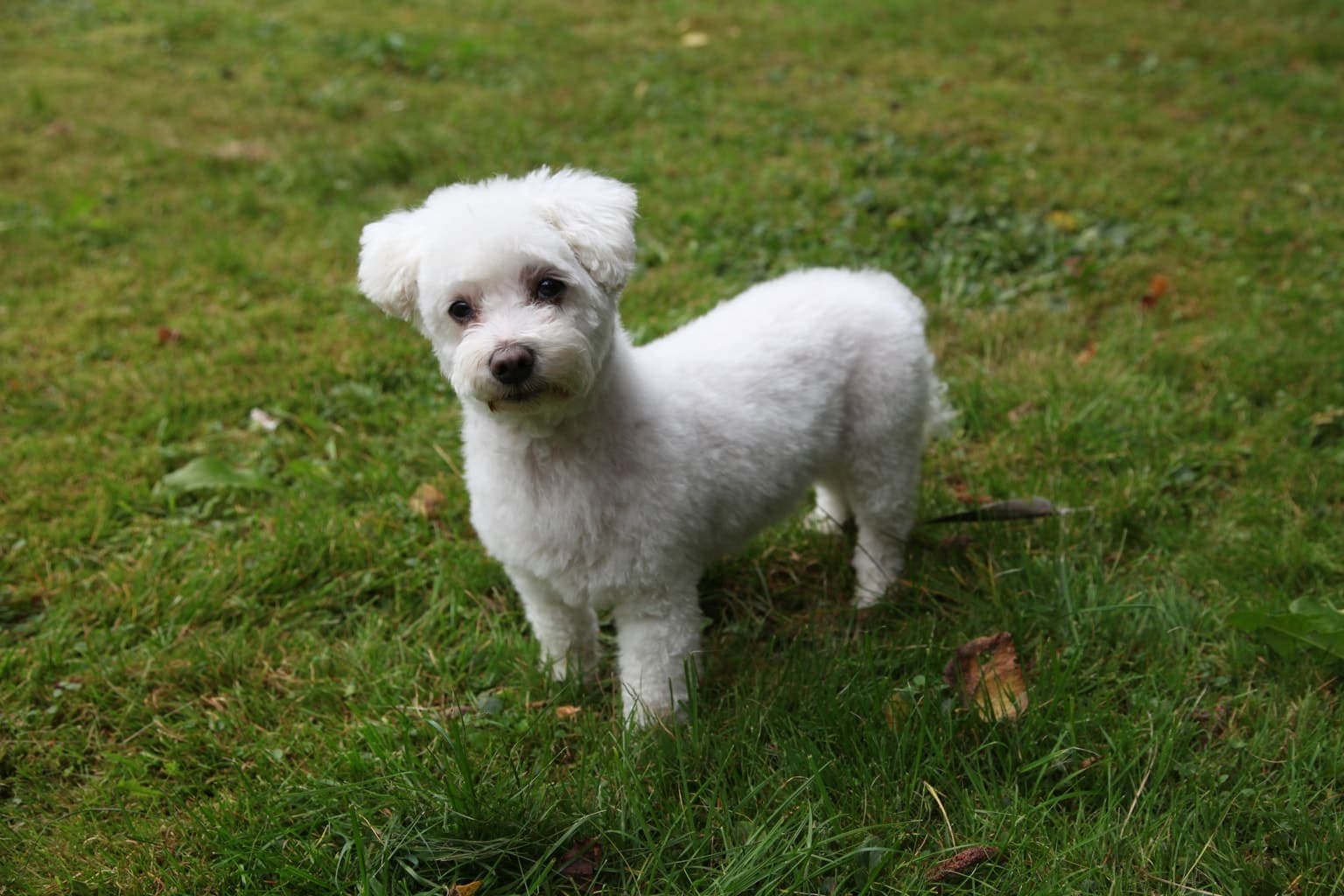
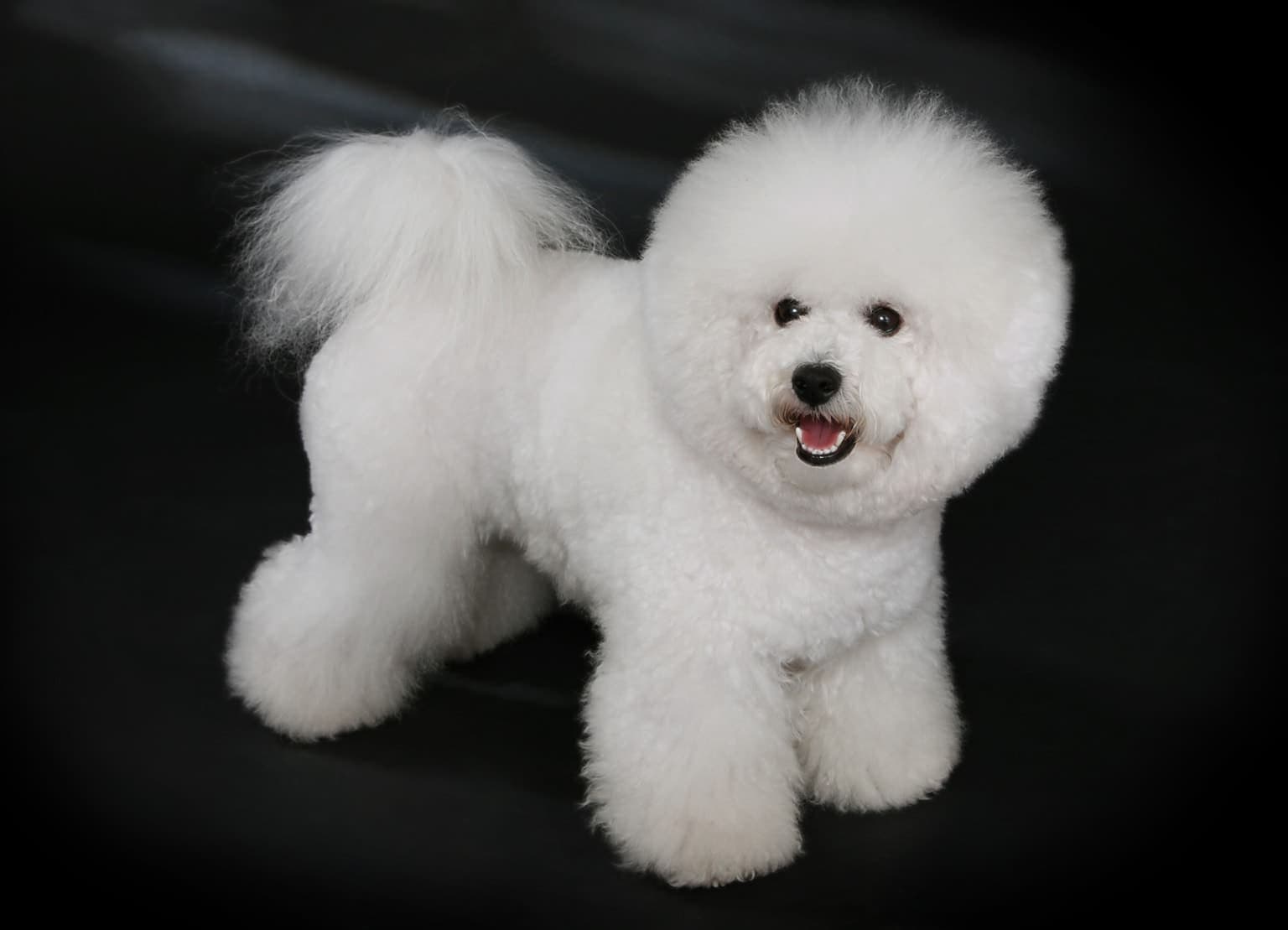
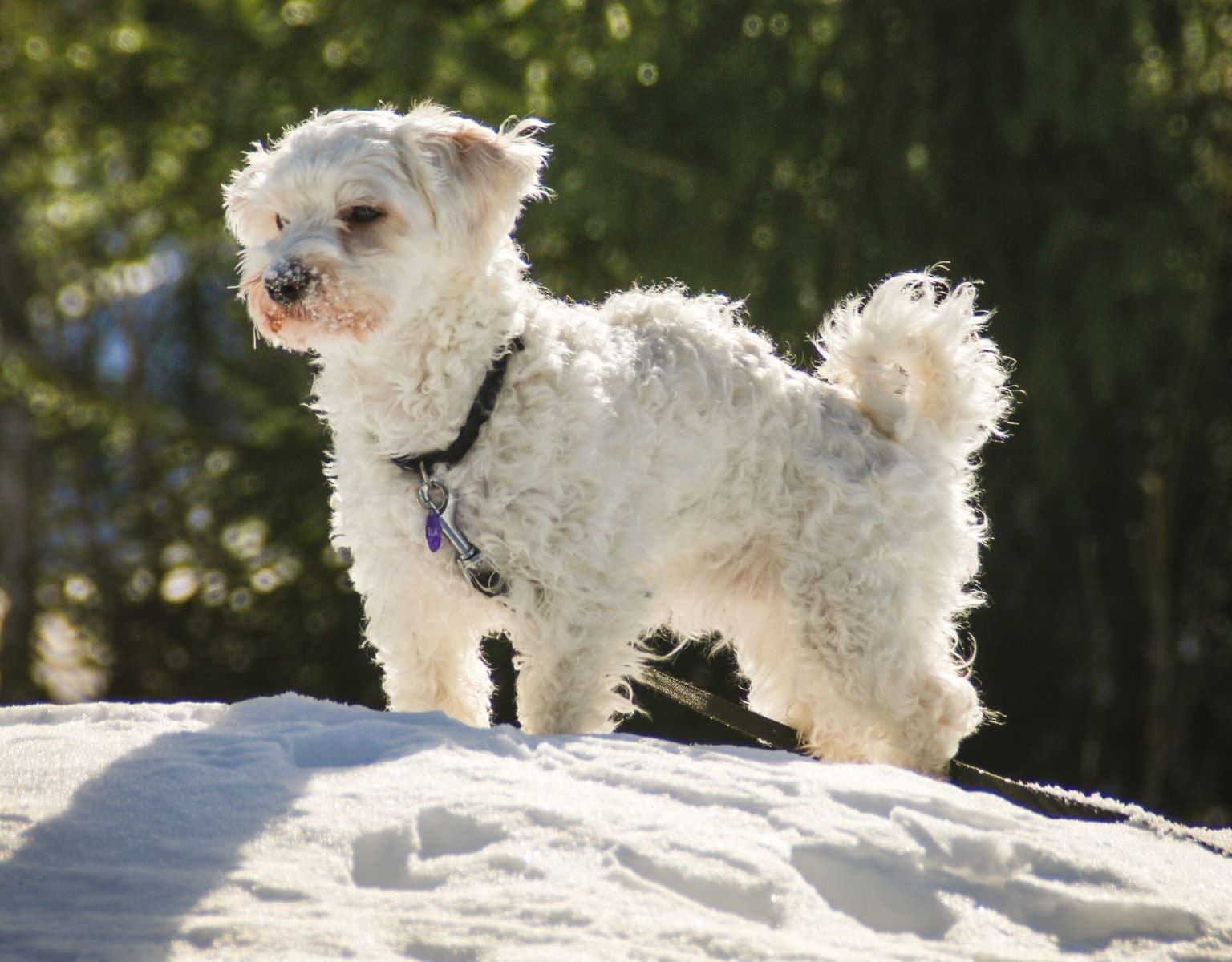
Quick facts
| Fact | Maltese | Bichon Frise | Havanese |
|---|---|---|---|
| Group | Toy | Non-Sporting | Toy |
| Size | small | small | small |
| Height | 7-9 in | 9.5-11.5 in | 8.5-11.5 in |
| Weight | 4-7 lbs | 12-18 lbs | 7-13 lbs |
| Lifespan | 12-15 years | 14-15 years | 14-16 years |
| Temperament | Gentle, Affectionate, Playful, Alert | Cheerful, Affectionate, Social, Playful | Affectionate, Playful, Social, Trainable |
How to tell them apart
Read the rows top to bottom. The first two or three traits usually settle it; the rest confirm.
| Trait | Maltese | Bichon Frise | Havanese |
|---|---|---|---|
| Head and muzzle | Slightly rounded skull, a moderate stop and a fine, medium-length muzzle that tapers a little toward a black nose. | Rounded skull, a marked stop and a muzzle noticeably shorter than the skull, softened by a scissored round head into a powder-puff face. | Broader skull with a full, rectangular muzzle about as long as the skull, giving a squarer, more substantial face than either white cousin. |
| Ears | Low-set drop ears that hang close to the head and blend into the long coat, so the ear is hard to pick out. | Drop ears set slightly above eye level and forward on the skull, usually trimmed into the rounded head so they barely show. | High-set, broad-based ears that fold and lift slightly when the dog is alert, often visible as two distinct flaps. |
| Eyes and expression | Round, very dark eyes with black rims, for a gentle, slightly wide-eyed look. | Round, black or dark brown eyes ringed by dark pigmented skin, the halos that give the Bichon its soft, inquisitive expression. | Large, almond-shaped dark brown eyes, more oval than round, with a direct and mischievous expression. |
| Size and proportions | The smallest: 7 to 9 inches at the shoulder and 4 to 7 pounds, compact, about as long as tall, with a level back. | 9.5 to 11.5 inches and roughly 12 to 18 pounds, the stockiest of the three, slightly longer than tall with a level topline. | 8.5 to 11.5 inches and 7 to 13 pounds, distinctly longer than tall, with a topline that rises slightly toward the rear. |
| Coat | Single coat of long, straight, silky hair with no undercoat that hangs flat to the ground when grown out. | Dense double coat with a soft undercoat and a curly outer coat that stands off the body and springs back when touched. | Soft, abundant double coat that is wavy, sometimes curly and occasionally corded, lighter than a Bichon but with more body than a Maltese. |
| Colour and markings | Pure white; a light lemon tinge on the ears is tolerated, but any real patch of colour rules the breed out. | White, with small amounts of buff, cream or apricot shading allowed around the ears or body, mostly seen in youngsters. | Any colour or combination: white, cream, gold, sable, red, chocolate, silver, black, brindle and parti-colour are all correct. |
| Tail and gait | Plumed tail carried over the back with the tip lying to one side; movement is smooth and quick, almost floating. | Plumed tail curved over the back so the hair lies on the coat, never tightly curled; movement is free and precise with the head held high. | High-set tail arched forward over the back in a loose plume; the gait is unmistakably springy, as if the rear bounces the dog along. |
What the photo detector sees
For this group the detector leans on grooming style, coat texture and colour more than on skeleton, because there is little skeleton to see. A Bichon in a full trim, with its rounded head and plush outline, is the most distinctive silhouette and tends to get a confident match. Any patch of gold, sable, black or chocolate pushes the ranking toward Havanese. A long, flat, silky white coat parted down the back, with a topknot and dark eye rims, reads as Maltese.
It hesitates on the short pet clip. Three white dogs in a puppy cut lose the coat texture that separates them, and what remains is a small white dog with drop ears; expect confidence spread across all three, often with Coton de Tulear or a poodle cross in the list. Puppies are hard because adult coat texture has not developed and Bichon puppies can carry cream shading. Without a scale reference, Maltese and Havanese are difficult to separate, since mostly the size differs. Maltipoos, Cavachons and Havanese crosses produce a split ranking rather than a single match. The tool returns confidence-ranked visual matches, not a pedigree.
Living with them
Temperament is more similar than different: all three are affectionate, people-focused dogs that want to be in the room with you and dislike long hours alone. The Maltese is the gentlest and most fragile, a true lap dog that needs protecting from rough handling and very young children. The Bichon is the cheerful extrovert, sturdier and playful without being intense, and usually the easiest with visitors and other pets. The Havanese is the most trainable and athletic, quick to learn tricks, keen on agility and therapy work, and happiest with a little more exercise and outings than the other two.
Grooming is where the real cost sits. A Maltese kept long needs daily brushing and regular baths to keep white silk from staining and tangling. A Bichon coat mats quickly and needs a professional scissor trim every four to six weeks whatever the length. A Havanese coat is the most forgiving but still needs brushing several times a week. All three suit apartments and light exercise, though the Havanese wants a proper daily walk.
Not sure which one you have?
Upload a clear photo and the detector returns a ranked shortlist, so you can check the top matches against the tells above instead of guessing from one label.
Upload a photo and get a ranked shortlistFAQ
Can a photo tell a Maltese from a Havanese?
Often, yes. Any colour other than white settles it as a Havanese. When both are white and clipped short, the model relies on the Havanese's squarer muzzle, higher-set ears and longer body, and confidence will be lower. A side-on photo with a hand or chair for scale helps most.
Can a photo tell a Maltese from a Bichon Frise?
In full coat, yes: flat silky hair against a curly powder puff is an easy call. In a short pet clip the difference shrinks to head shape and size, and the model may split its confidence. Look for the Bichon's shorter muzzle and dark eye halos.
Is a Havanese just a bigger Maltese?
No. A Havanese has a double coat in any colour, a topline that rises toward the rear, a springy gait and heavier bone; a Maltese has a single silky white coat, a level back and a lighter, floating movement. They are unrelated breeds, one from Cuba and one from the Mediterranean.
What if my dog looks like a mix of these breeds?
Maltipoos, Cavachons, Havapoos and Maltese-Havanese crosses are common, and the detector will typically return two or three breeds with split confidence. That ranking describes what the dog looks like, not who its parents were. If you need actual ancestry, a DNA test is the right tool.
Do Bichons come in colours other than white?
Adult Bichons are white. Small amounts of cream, apricot or buff shading are allowed, usually on the ears, and puppies often show more before it fades. A strong patch of colour on an adult points to a Havanese or a mix.
Full profiles
Browse every pair in the breed comparison index.