Australian Cattle Dog
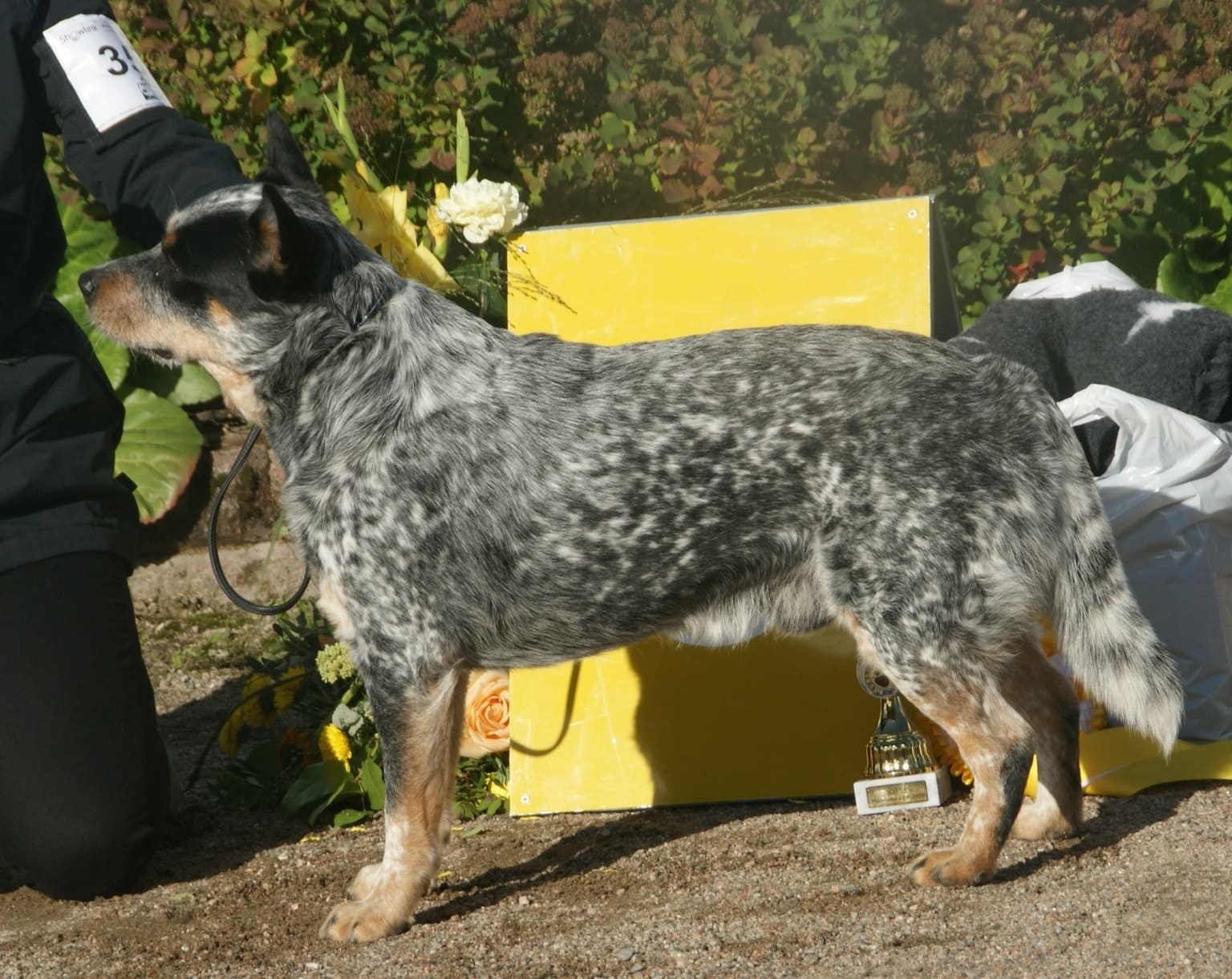
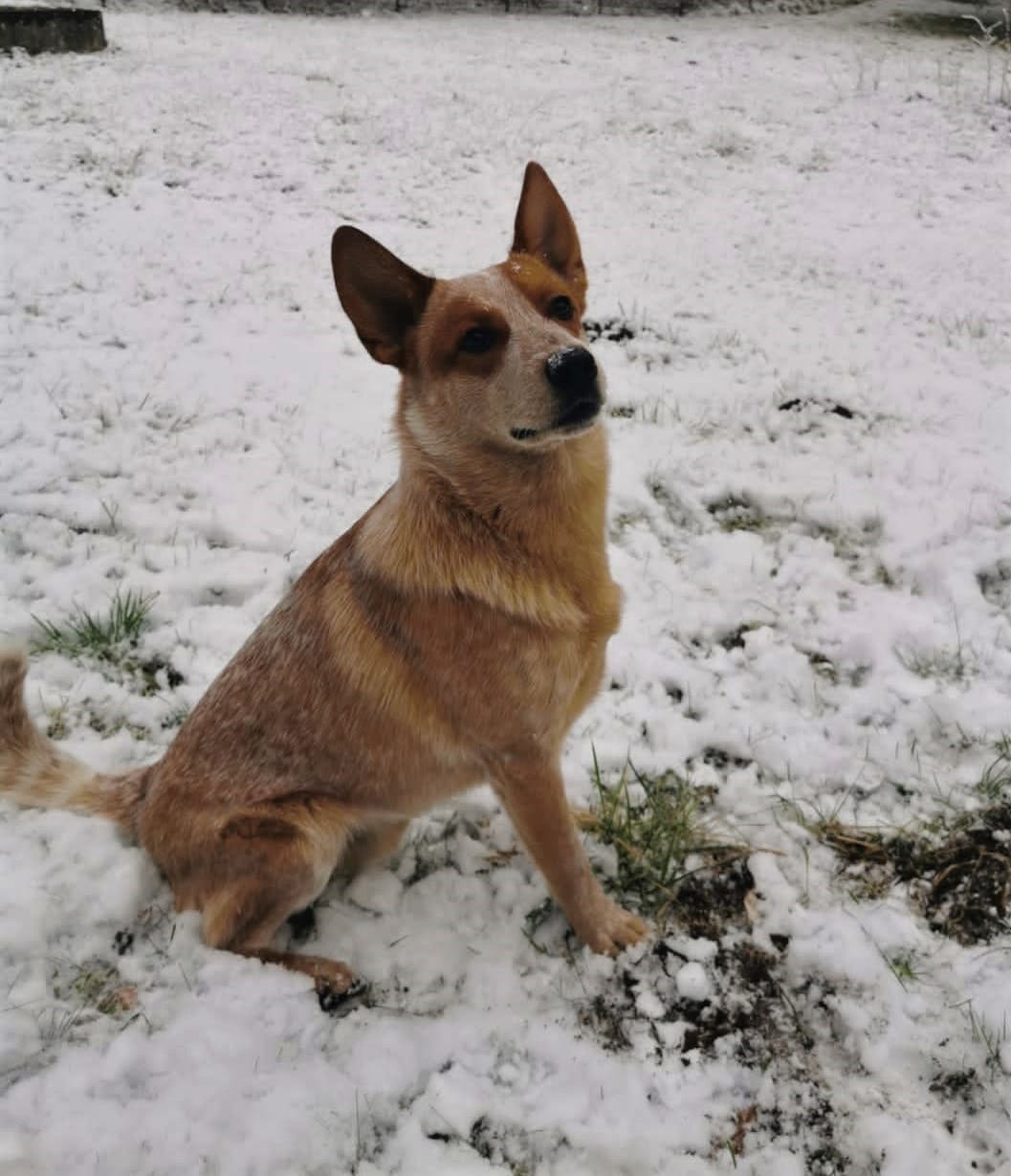
Photo by Augustedub · CC BY-SA 4.0
Australian Cattle Dogs are durable herding dogs bred for stamina, toughness, and quick decision-making. Often called “Heelers,” they are intensely loyal and thrive with experienced owners who enjoy training and daily exercise. They are compact and muscular, with a smooth double coat in blue-gray or red, often mottled or speckled. They’re smart and get bored quickly without jobs, which can lead to nipping, chewing, or constant motion. Give them structured activity—running, hiking, obedience, or advanced games—and Australian Cattle Dogs become devoted companions with impressive focus and drive.
How to recognize a Australian Cattle Dog
- The coat is either blue (plain, mottled or speckled) or an even red speckle all over.
- Pricked, moderately pointed ears are small rather than large, broad at the base, set wide apart and inclined outward.
- The head is strong, with a broad skull, muscular cheeks and a medium-length, deep, powerful muzzle.
- The body is compact and slightly longer than tall, in a ratio of 10 to 9, with a level back line.
- The tail is set moderately low, reaches about to the hock, hangs in a very slight curve at rest and carries a good brush.
Quick facts
- Group: Herding
- Size: medium (medium dog breeds)
- Height: 17-20 in
- Weight: 35-50 lbs
- Males, per the AKC standard: 18-20 in
- Females, per the AKC standard: 17-19 in
- Lifespan: 12-16 years
- Temperament: Tough, Intelligent, Loyal, High-energy
- AKC recognized: 1980
The standard gives height only, with no weight.
Coat and colors
A smooth double coat with a short, dense undercoat and a close, straight, hard outer coat that lies flat and resists rain. Body hair averages about 1 to 1.5 in and is longer on the neck and behind the thighs. The standard faults a coat that is too long or too short.
Blue, blue-mottled or blue-speckled, with or without black, blue or tan markings on the head and tan on the legs, breast and throat, or an even red speckle with or without darker red head markings. The standard calls black or red markings on the body undesirable.
History and original work
The Australian Cattle Dog was developed in Australia in the 1800s, when ranchers moving inland needed a dog that could drive cattle over long distances in heat and rough country. Imported British herding dogs called Smithfields were not up to the job, so stockmen crossed them with Dingoes and Collies, and later added Dalmatian and Kelpie blood. The result was the tough, tireless heeler known today.
The standard says the breed's prime function is controlling and moving cattle in wide open and confined areas, including by heeling or biting. It asks for a compact, hard-muscled dog showing agility, strength and endurance, with sound strong teeth and quick, sudden movement.
Breeds mistaken for the Australian Cattle Dog
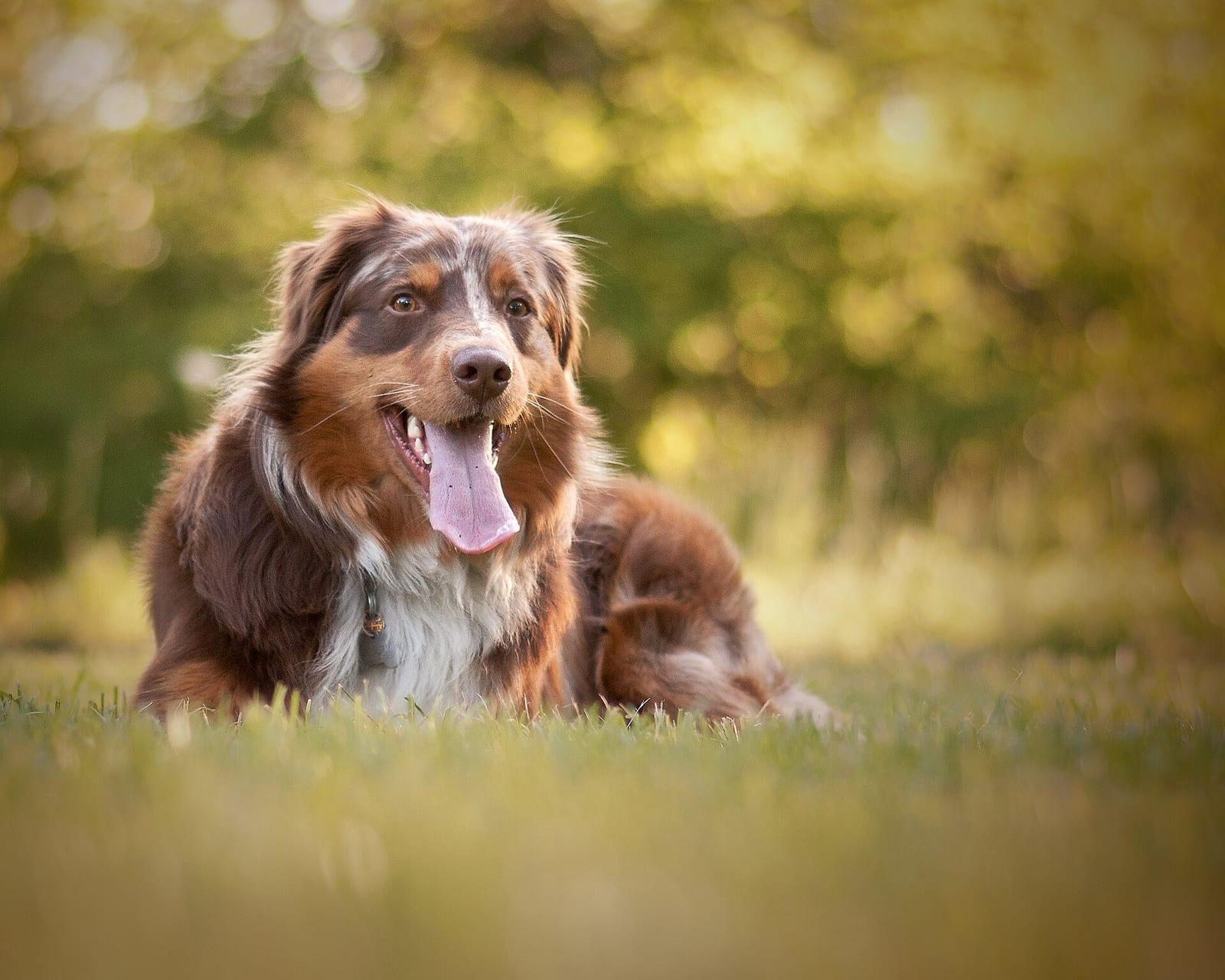
- Australian Shepherd: An Australian Shepherd has a medium-length coat, a docked or bobbed tail and ears that break forward, while the Australian Cattle Dog has a short smooth coat, a long brush tail and pricked ears.
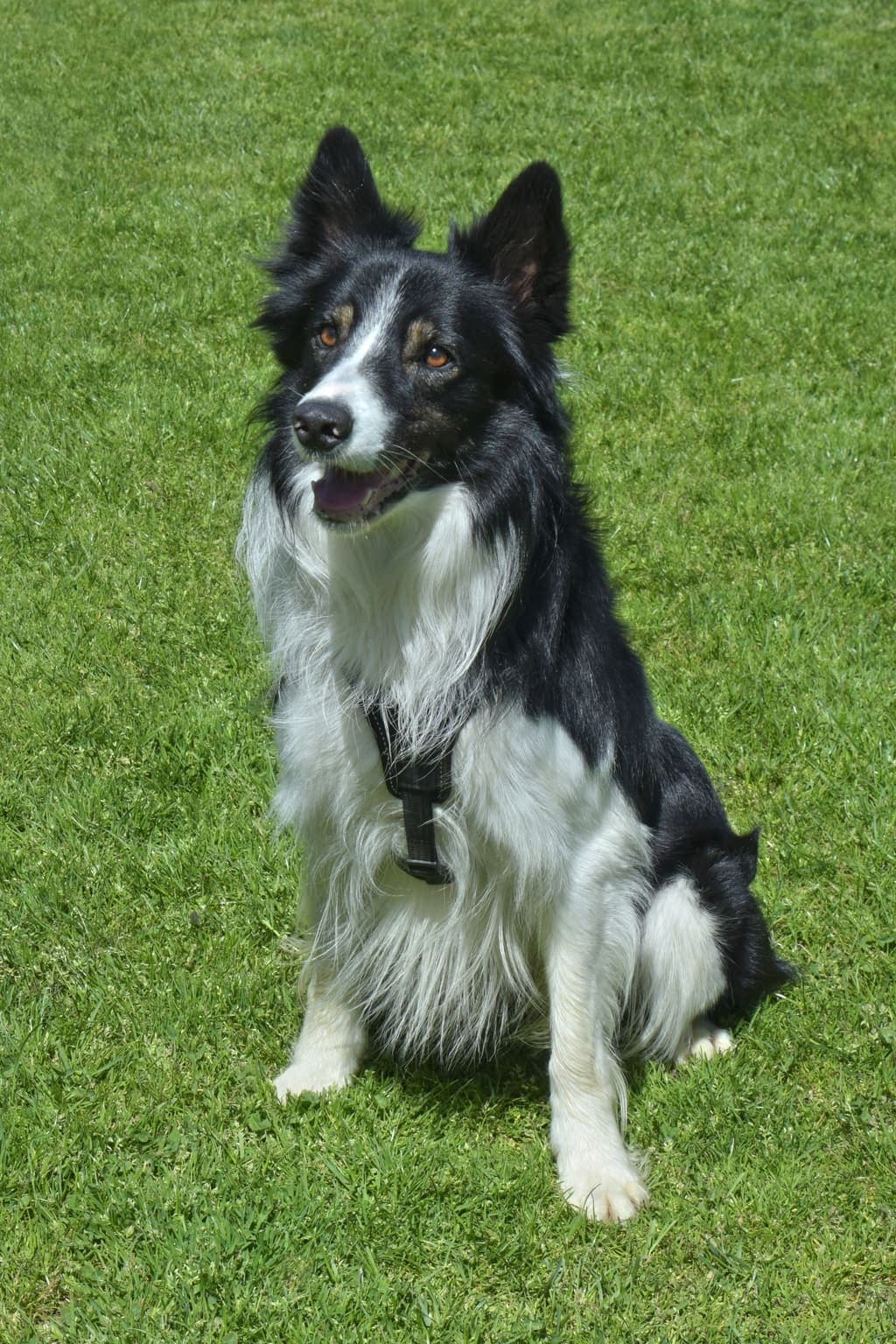
- Border Collie: A Border Collie comes in any color and its ears may be erect or semi-erect with the tips falling forward, while the Australian Cattle Dog is blue or red speckle with pricked ears.
Side by side: Australian Cattle Dog vs Australian Shepherd.
Mixed-breed dog? Australian Cattle Dog (heeler) mix identification guide.
Care tips
- Provide daily vigorous exercise plus training; this breed needs work.
- Teach bite inhibition and polite herding manners early.
- Try brain games like puzzle toys and scent work.
- Start socialization early to help reduce wariness of strangers and over-guarding behaviors.
- Brush about once a week, and every few days when the undercoat sheds, which happens twice a year.
Sources
- American Kennel Club: Australian Cattle Dog: Primary registry overview for breed history, group, structure, and typical traits.
- AKC official standard: Australian Cattle Dog: Source for the identifying features, coat, colors, and size by sex on this page.