Bull Terrier
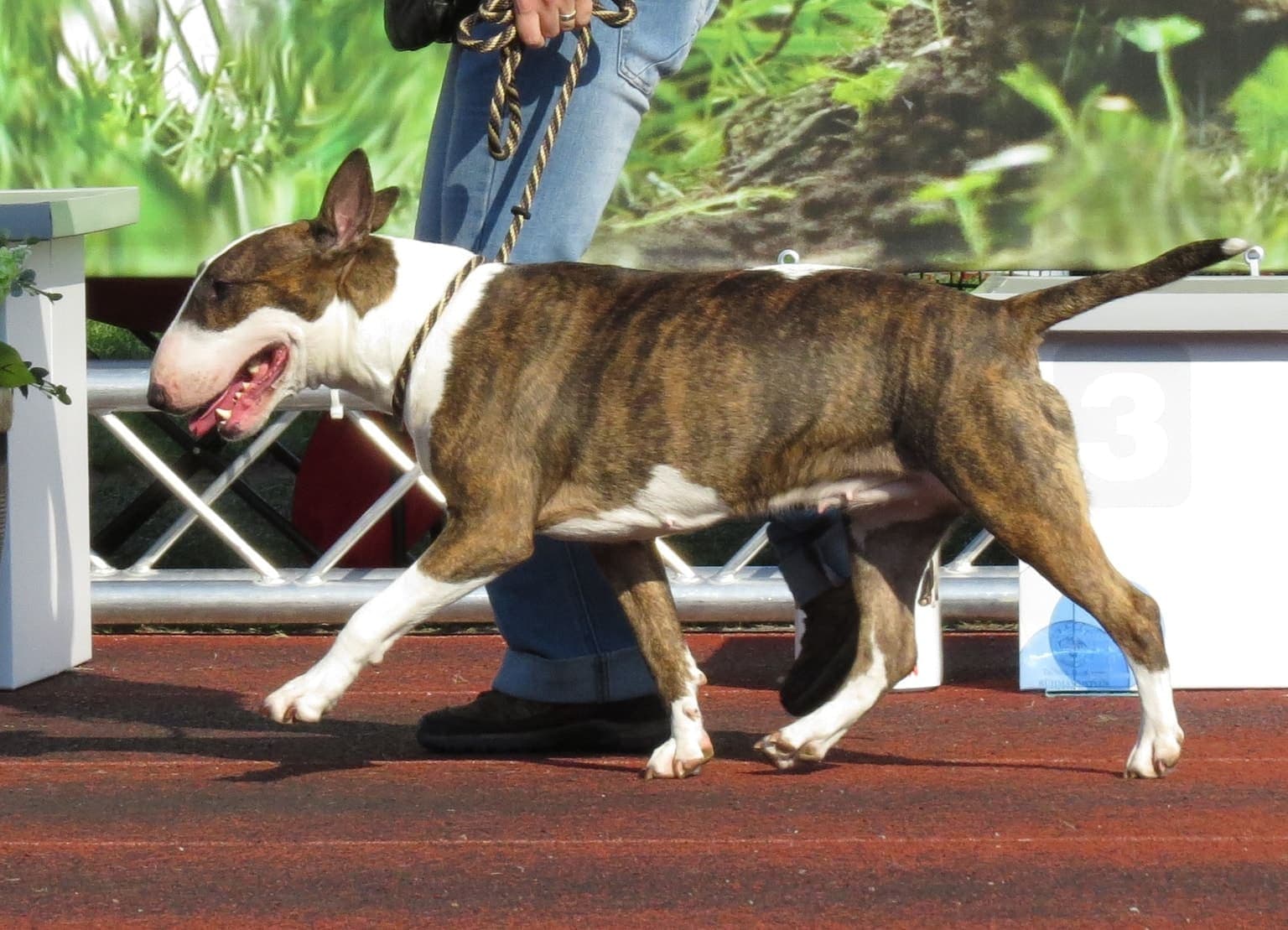
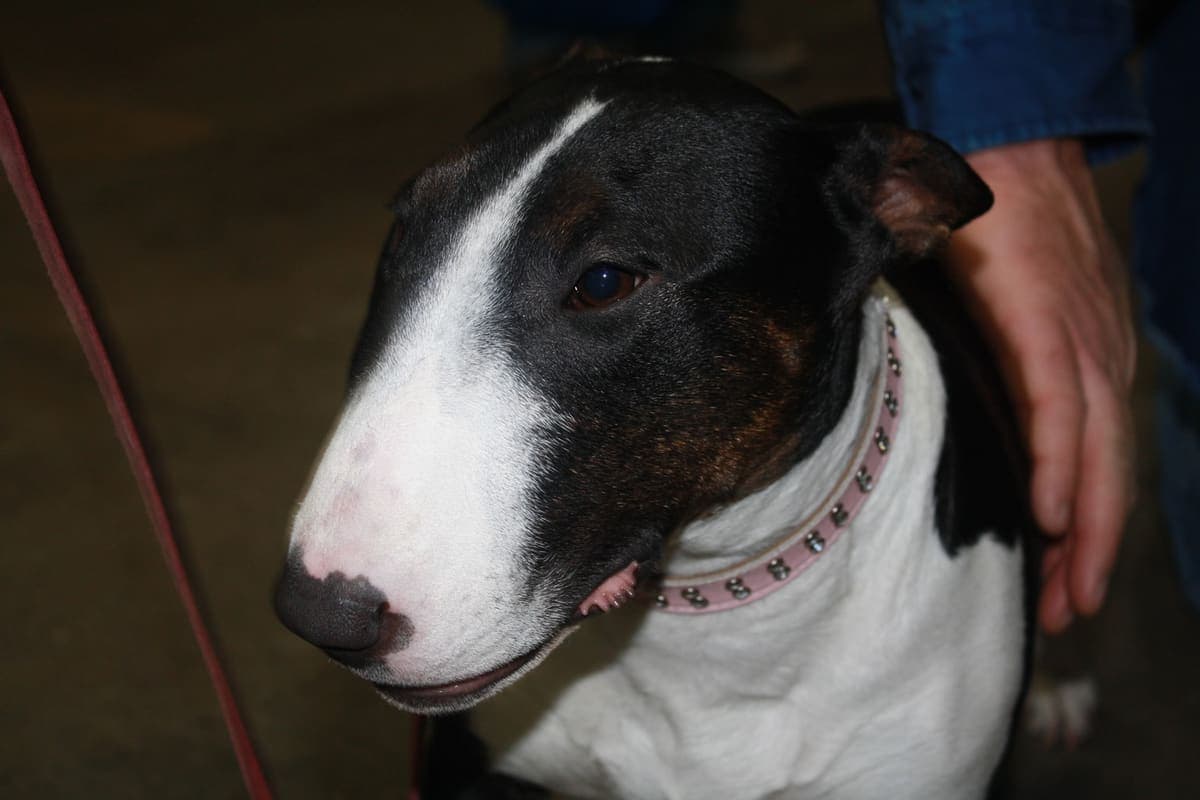
Photo by Fido Factor from USA · CC BY-SA 2.0
Bull Terriers are distinctive terriers known for an egg-shaped head and a playful, clownish personality. They’re often affectionate with family and enjoy interactive games, training, and activities that build teamwork. Bull Terriers can be strong-willed and energetic, so consistent, positive training and early socialization are important. They tend to do best with consistent routines and clear rules. Given the right guidance, a Bull Terrier can be an entertaining, devoted companion with plenty of charm and drive.
The Bull Terrier is a medium dog in the Terrier group, known for Clownish, Confident, Energetic. Adults typically weigh 50-70 lbs and stand 21-22 in, with a lifespan around 12-13 years.
Quick facts
- Group: Terrier
- Size: medium
- Lifespan: 12-13 years
- Weight: 50-70 lbs
- Height: 21-22 in
- Temperament: Clownish, Confident, Energetic, Devoted
Temperament & day-to-day life
Temperament helps you predict what daily life with this breed may feel like. The Bull Terrier is often described as Clownish, Confident, Energetic, Devoted. Individual dogs vary, but these traits are a solid starting point when you’re planning training, enrichment, and routines.
If you’re researching this breed because you’re trying to identify your own dog, use temperament as supporting evidence—not the final verdict. Compare size, proportions, and behavior patterns, then explore visual matches from a photo using the AI dog breed identifier.
Training & exercise
Terriers were bred to pursue vermin and work with determination. Many are confident, persistent, and surprisingly quick learners when motivated.
Consistency matters: set rules early, reward calm focus, and avoid letting small habits become big ones. Keep training fun to maintain engagement.
Terriers often benefit from energetic play and problem-solving games. A bored terrier will invent its own activities—usually the loud kind.
History
Bull Terriers were developed in England by blending bulldog and terrier types, later refined into a unique companion and show dog. The breed became known for its unmistakable appearance and spirited temperament.
Care tips
Good care is less about perfection and more about consistency. Start with simple routines you can keep up—daily movement, a predictable feeding plan, and regular check-ins for ears, nails, and skin.
- Provide daily exercise and brain games; boredom leads to mischief.
- Train consistently using rewards and firm rules.
- Start socialization early to build confident behavior with people and other dogs.
- Get durable toys and structured play to channel energy safely.
- Monitor skin health and protect from sun if coat is very light.
How the detector tells a Bull Terrier apart
Our reviewed benchmark groups the Bull Terrier with breeds that share its silhouette, coat, or head type, so the photo detector is measured against them directly. These are the visible differences the model keys on, and the ones to check yourself when two matches sit close together.
Look-alike group: Bull-and-terrier breeds
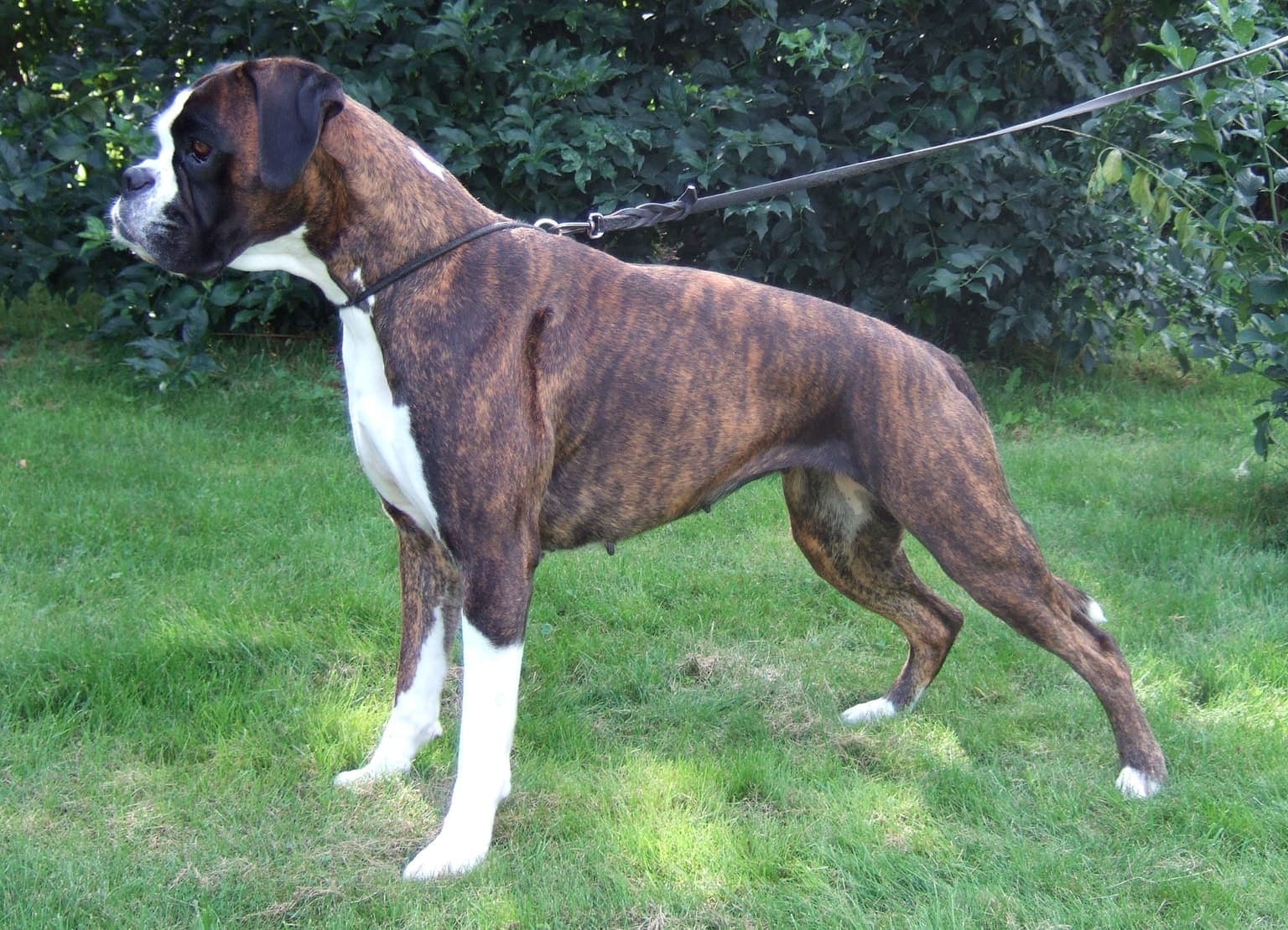
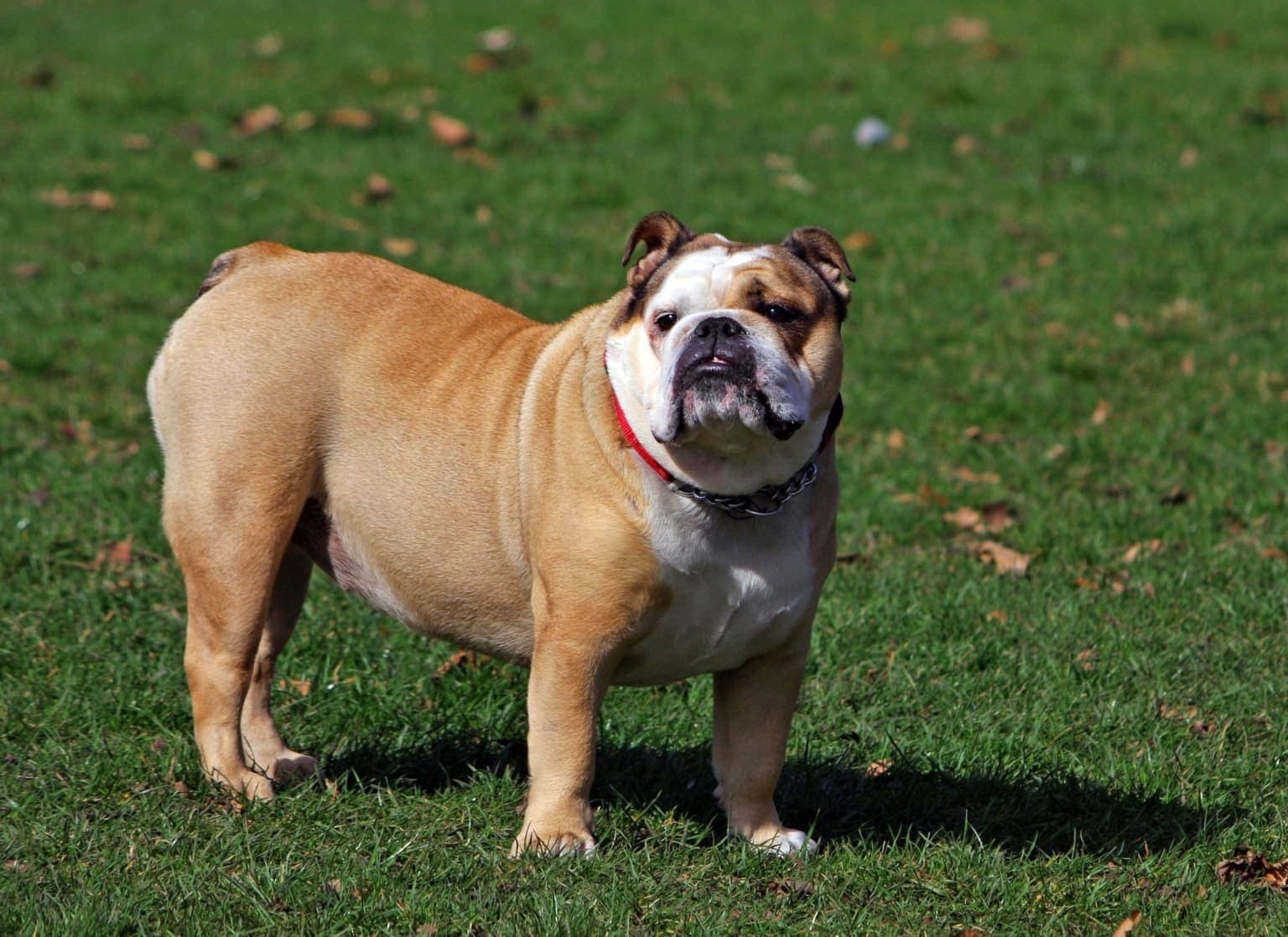
Broad chests, short glossy coats and blocky, heavily muscled builds put all three in the same frame, and brindle and pied coats appear across the group.
- A Bull Terrier's egg-shaped head curves in one unbroken line from skull to nose with no stop, and its small, triangular eyes and naturally erect ears are unmistakable in profile.
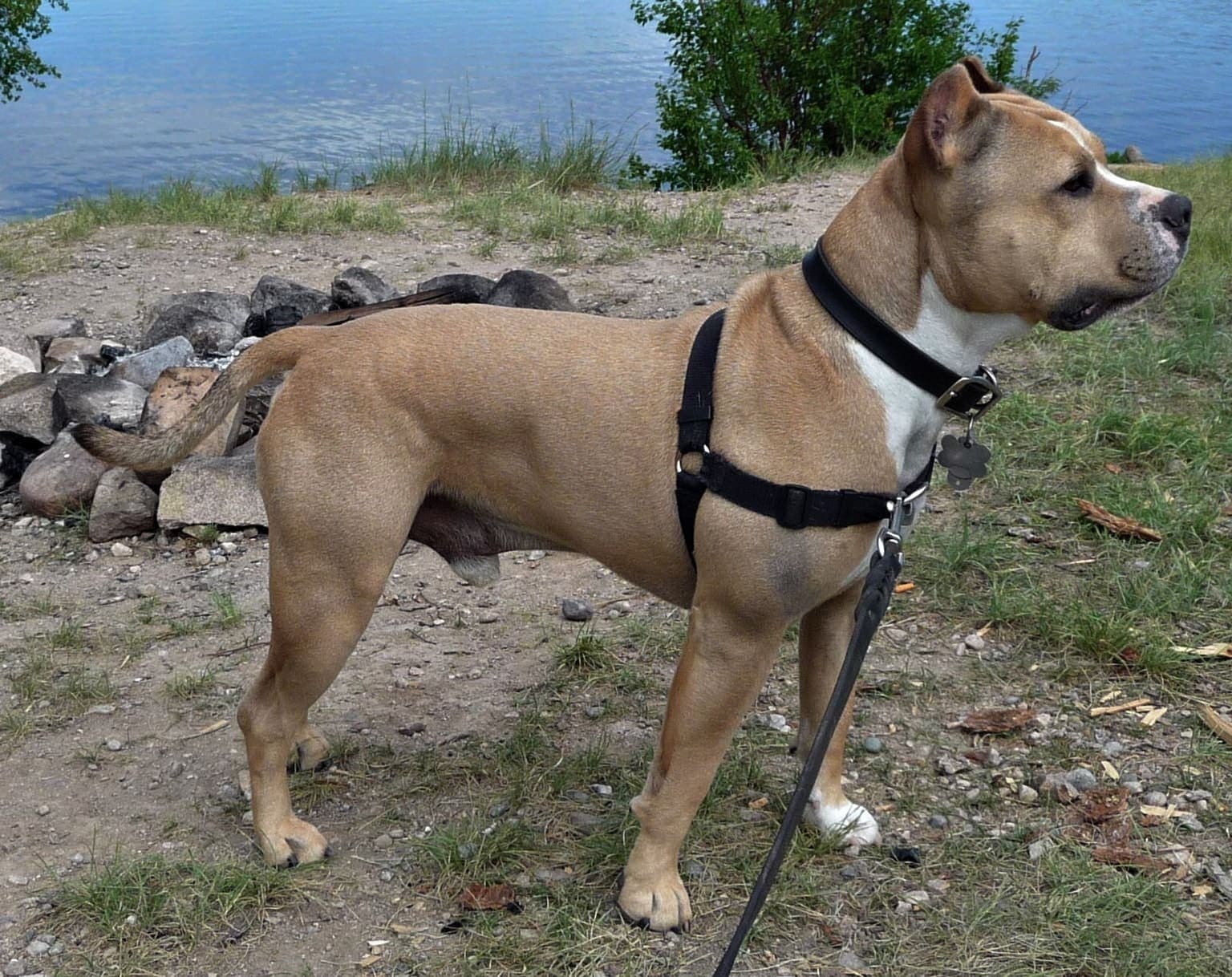
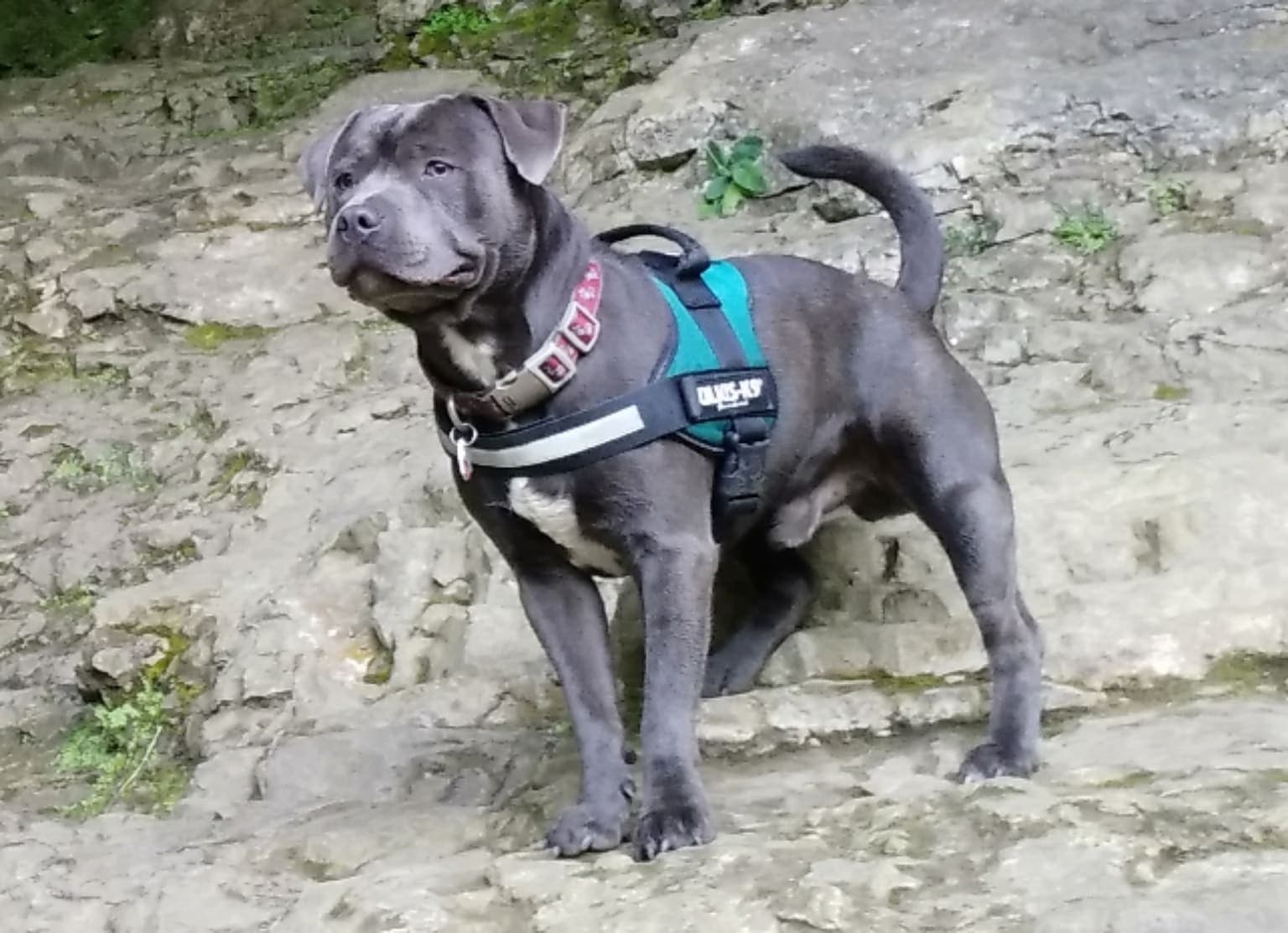
- An American Staffordshire Terrier is clearly the taller dog at 17-19 in and 40-70 lbs, while a Staffordshire Bull Terrier stands 14-16 in and 24-38 lbs with a head that looks wide for its body.
- The Staffordshire Bull Terrier has a very short foreface with a pronounced stop and bulging cheek muscles, whereas the American Staffordshire Terrier has a medium-length muzzle that gives the head a longer look.
- Staffordshire Bull Terriers and Bull Terriers are never cropped, so cropped ears point to an American Staffordshire Terrier; uncropped, the Staffordshire Bull Terrier's ears are rose or half-pricked and the Bull Terrier's stand fully erect.
- A Bull Terrier stands 21-22 in on a short, rounded, barrel-like body that is deeper and rounder than the flat-sided athletic frame of the American Staffordshire Terrier.
Commonly mistaken for:
Read how the groups were built and how the model is tested in the confused dog breeds study and the testing methodology.
Similar breeds to compare
Many breeds share similar silhouettes and features. If you’re comparing AI results or deciding between breeds, it helps to read a few profiles side by side. Common look-alikes and close cousins to the Bull Terrier include American Staffordshire Terrier, Staffordshire Bull Terrier, Boxer, Bulldog.
When you compare, focus on structure (muzzle length, ear set, body proportions) as much as coat color. Then confirm by looking at temperament and daily care needs.
FAQ
How big do Bull Terriers get?
Most adult Bull Terriers fall around 50-70 lbs and stand 21-22 in. Genetics, diet, and activity level all influence where an individual dog lands within that range.
How long do Bull Terriers live?
The typical lifespan is 12-13 years. Preventive vet care, healthy weight, and consistent daily exercise are some of the biggest factors that support longevity.
What is the Bull Terrier temperament like?
Many owners describe this breed as Clownish, Confident, Energetic, Devoted. Early socialization and reward-based training help those traits show up as calm confidence at home and on walks.
How can I identify a Bull Terrier from a photo?
Upload a clear photo (ideally with the full body visible) to our dog breed identifier. Use the results as a starting point, then compare likely matches in the breed directory. If you are still asking what breed is my dog, that guide walks through ear set, muzzle, coat, and size before you upload.
Sources and further reading
This profile is reviewed against primary registry material. General care information is educational; ask a veterinarian about an individual dog's health or treatment.
- American Kennel Club: Bull Terrier: Primary registry overview for breed history, group, structure, and typical traits.
See our editorial and correction policy.