Gordon Setter
Gordon Setters are strong sporting dogs known for a black-and-tan coat, a steady temperament, and a loyal bond with family. They enjoy outdoor activity and need daily exercise, training, and enrichment that taps into their sporting instincts. Gordons can be confident and sometimes a bit slower to mature, so patient, consistent training is valuable. Their feathered coat requires regular brushing to prevent tangles and manage shedding. With activity and structure, Gordon Setters make affectionate companions and capable sporting partners.
How to recognize a Gordon Setter
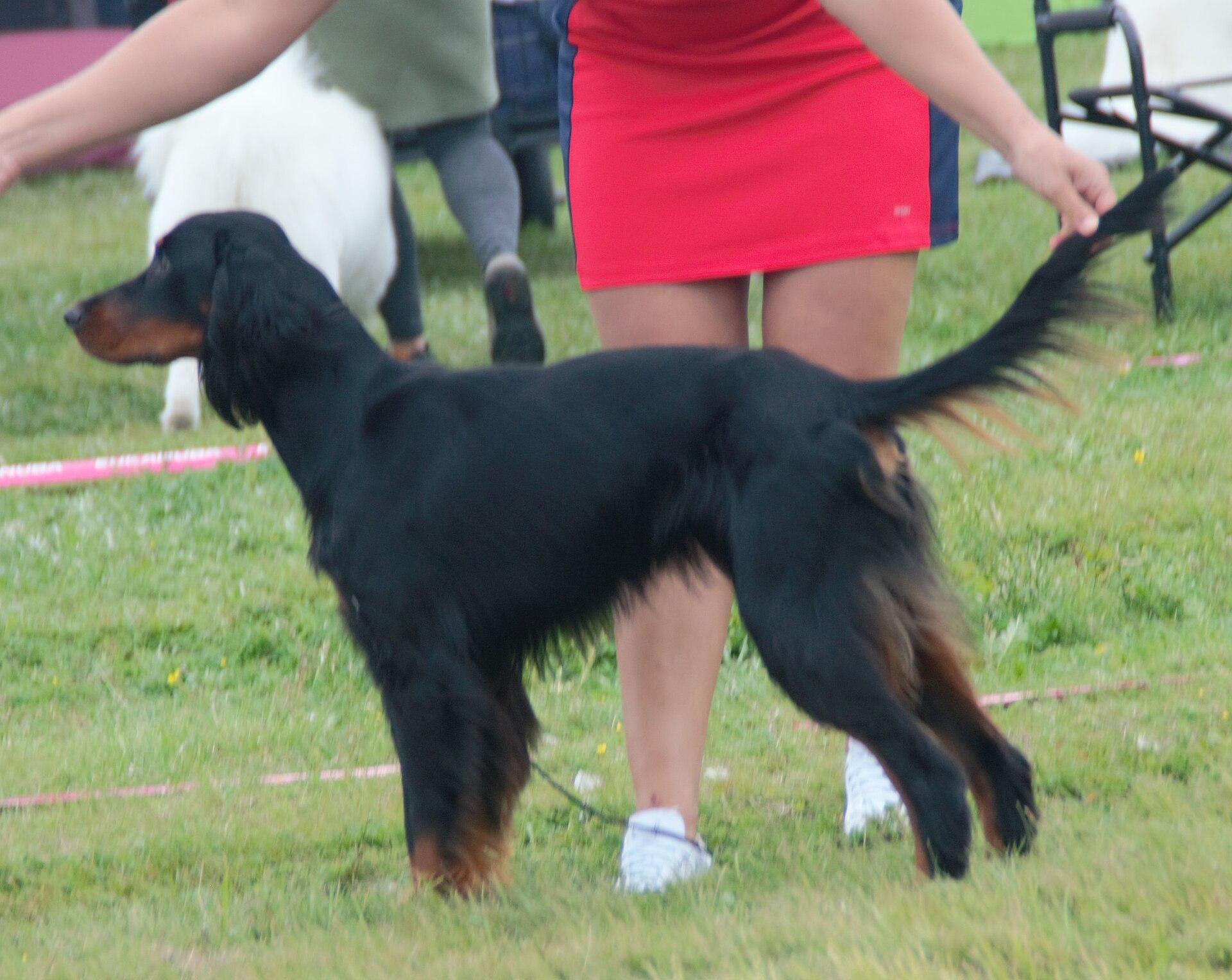
- A black coat carries clearly defined tan markings of rich chestnut or mahogany, including two spots over the eyes and markings on the muzzle, throat, chest and legs.
- A sturdy setter with plenty of bone and a strong, rather short back, heavier for its height than other setters.
- The head is deep rather than broad and fairly heavy, with a fairly long muzzle that is not pointed and matches the skull in length.
- Low-set ears are fairly large and thin, well folded, carried close to the head and covered in long hair.
- The short tail does not reach below the hock joint, is carried level or nearly so, and "flags" constantly while the dog moves.
Quick facts
- Group: Sporting
- Size: large (large dog breeds)
- Height: 23-27 in
- Weight: 45-80 lbs
- Males, per the AKC standard: 24-27 in, 55-80 lbs
- Females, per the AKC standard: 23-26 in, 45-70 lbs
- Lifespan: 12-13 years
- Temperament: Loyal, Confident, Affectionate, Steady
- AKC recognized: 1878
The standard says dogs that seem over or under the weight limits are judged on build and condition, and it discourages extremely thin or fat dogs.
Coat and colors
Soft and shining, straight or slightly waved but not curly, with long hair on the ears, under the stomach, on the chest, the backs of the legs and the tail. The tail feathering starts near the root and shortens evenly toward the tip, giving a triangular shape.
Black with tan markings of rich chestnut or mahogany, with a sharp border between the two and no tan hairs mixed into the black. A white chest spot is allowed, the smaller the better, and the standard disqualifies predominantly tan, red or buff dogs.
History and original work
Gordon Setters come from Scotland, where hunters bred a large, rugged bird dog that could work in rough Highland terrain and weather. The breed is named for Alexander, the fourth Duke of Gordon, whose kennel at Castle Gordon was producing setters recognizable as today's breed by the early 1800s.
The standard describes a dog that looks able to do a full day's work in the field, suggesting strength and stamina rather than extreme speed, with a bold, driving gait and high head carriage.
Breeds mistaken for the Gordon Setter
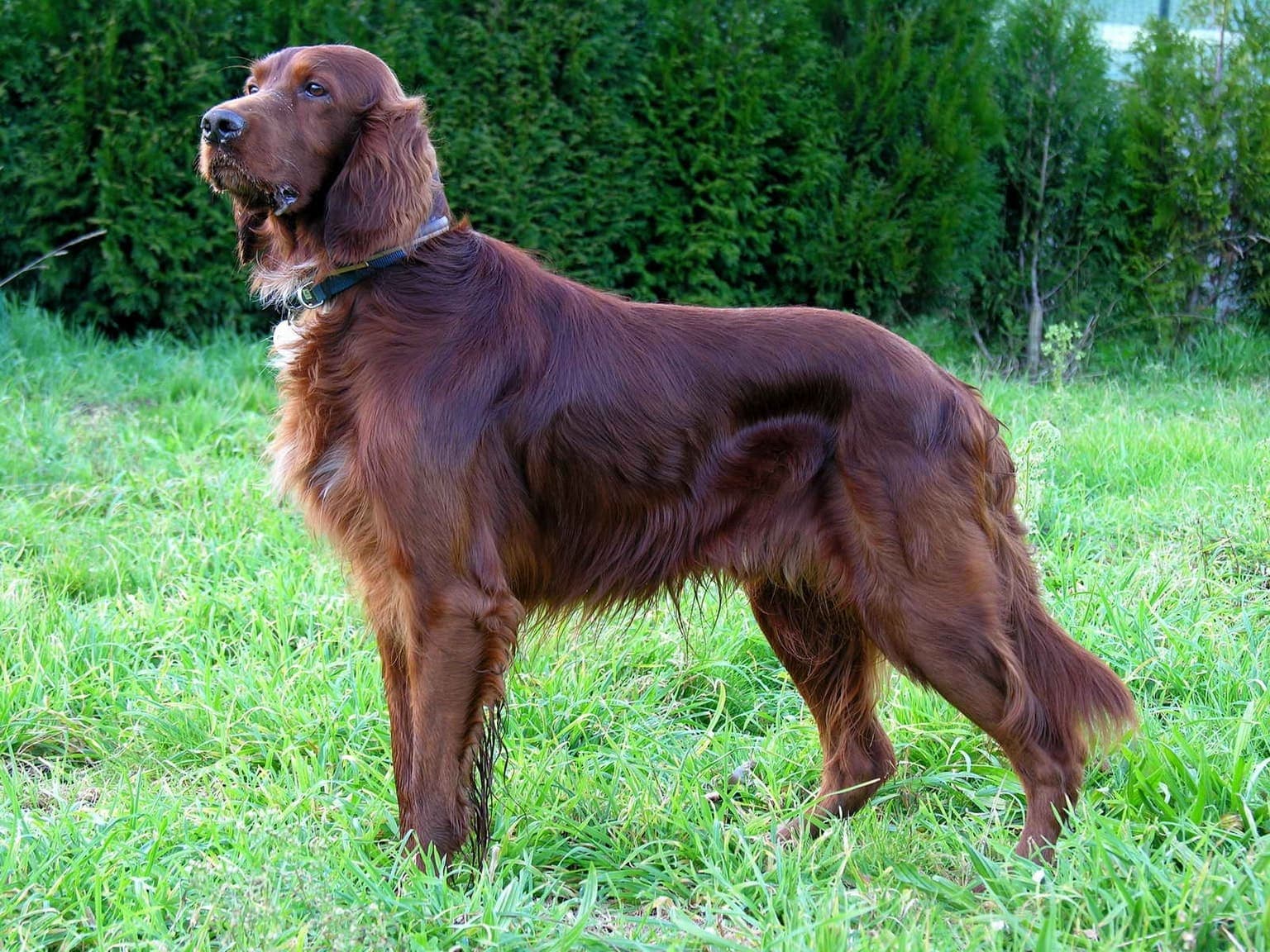
- Irish Setter: An Irish Setter is mahogany or rich chestnut red with no black, while the Gordon Setter is black with tan markings and is the heaviest setter for its height.
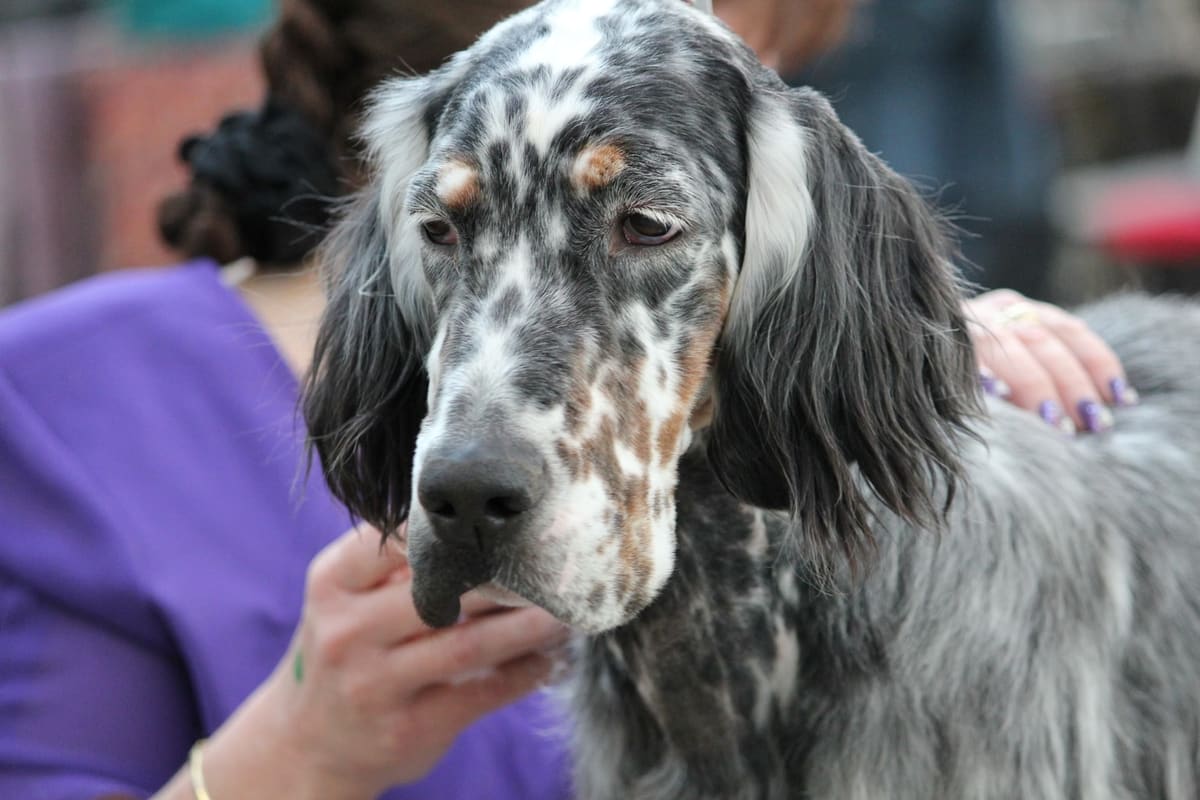
- English Setter: An English Setter has a white coat flecked with darker hairs, a pattern called "belton", while the Gordon Setter is black with clearly defined tan markings.
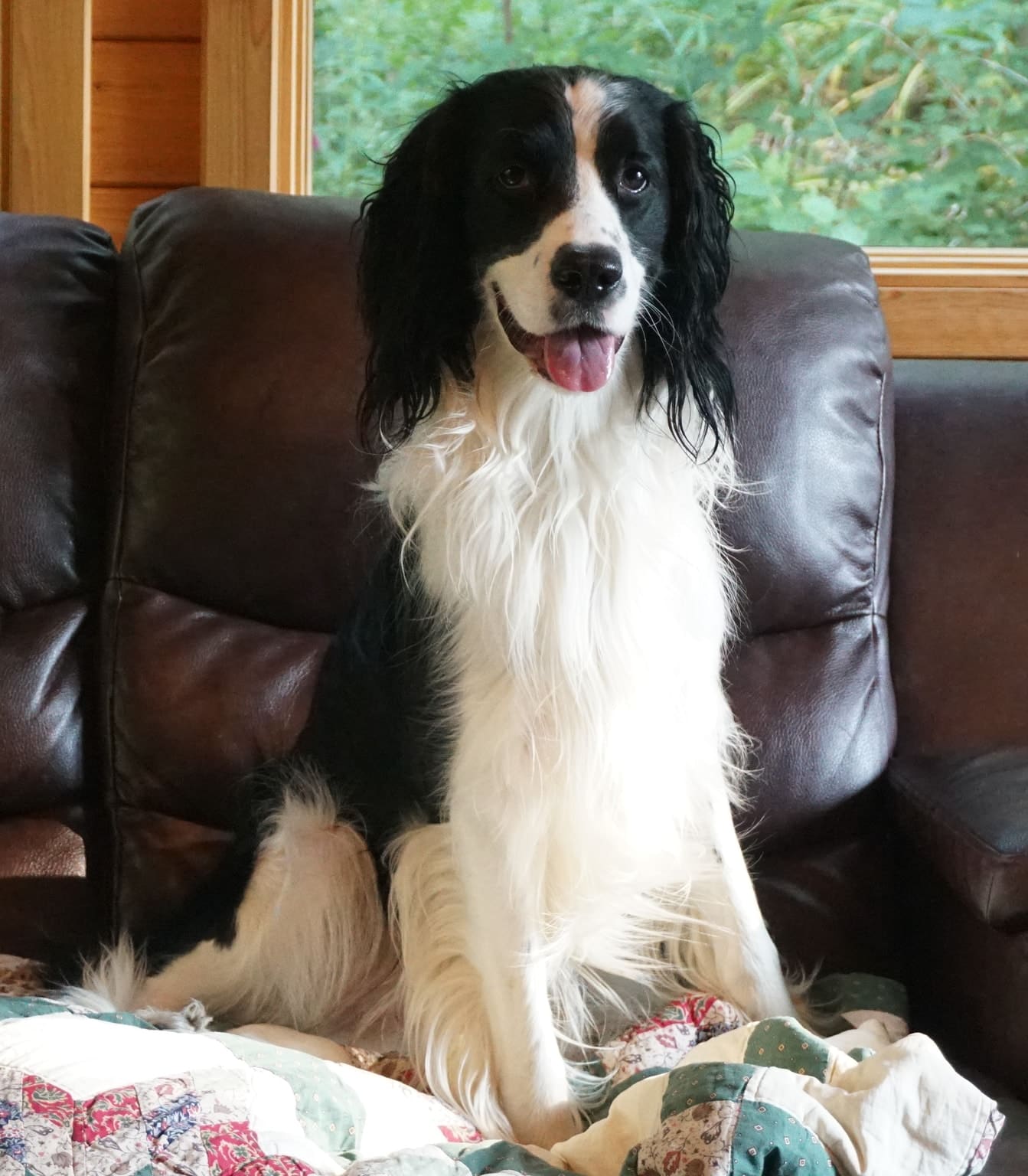
Side by side: Irish Setter vs Gordon Setter vs English Setter.
Care tips
- Give them daily exercise and training; sporting dogs thrive with outlets.
- Brush the coat regularly; feathering tangles and collects debris.
- Use reward-based training and patience—maturity can take time.
- Practice recall and safe outdoor management; prey drive can appear.
- Check ears routinely and keep them clean and dry.
Sources
- American Kennel Club: Gordon Setter: Primary registry overview for breed history, group, structure, and typical traits.
- AKC official standard: Gordon Setter: Source for the identifying features, coat, colors, and size by sex on this page.