Great Pyrenees
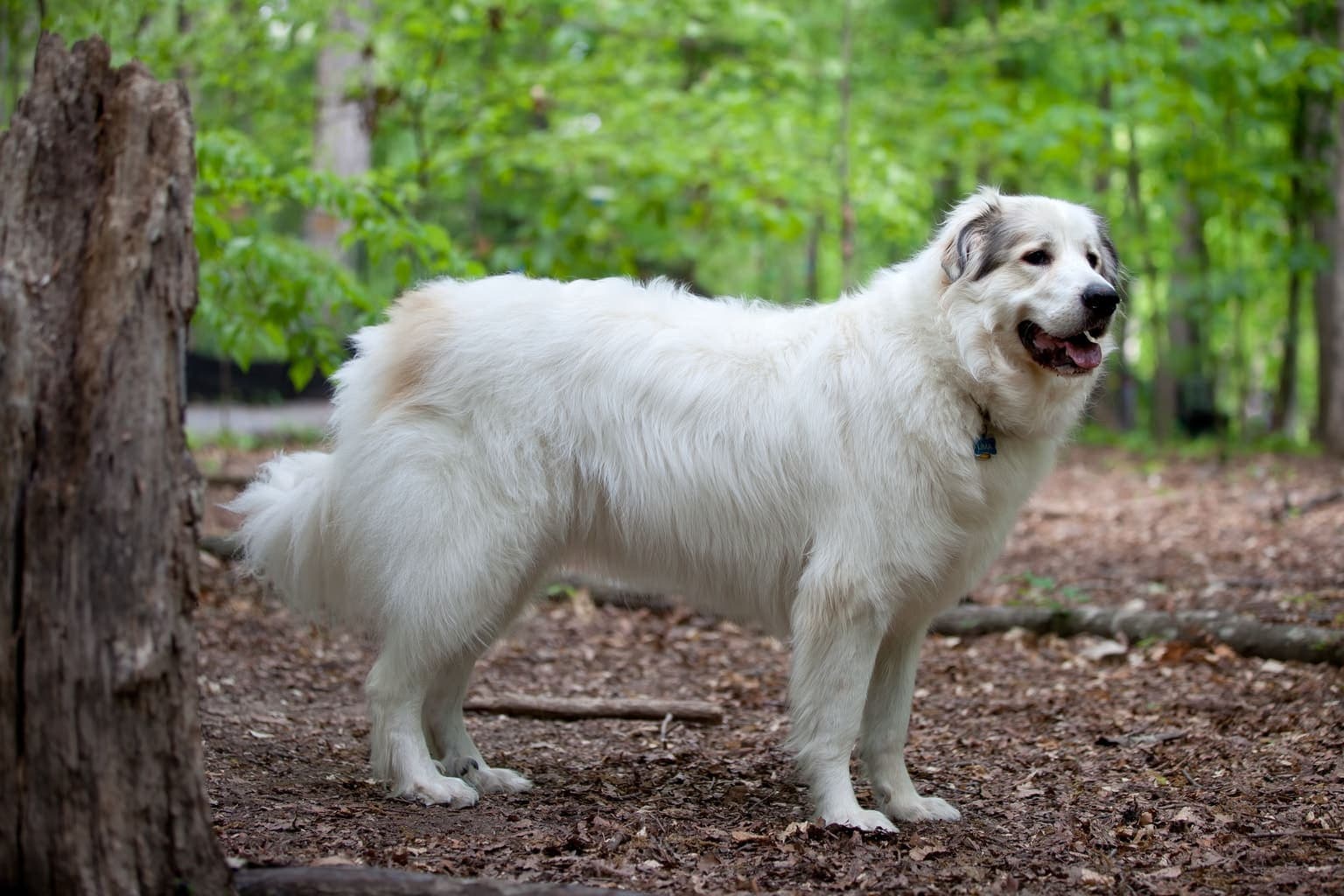
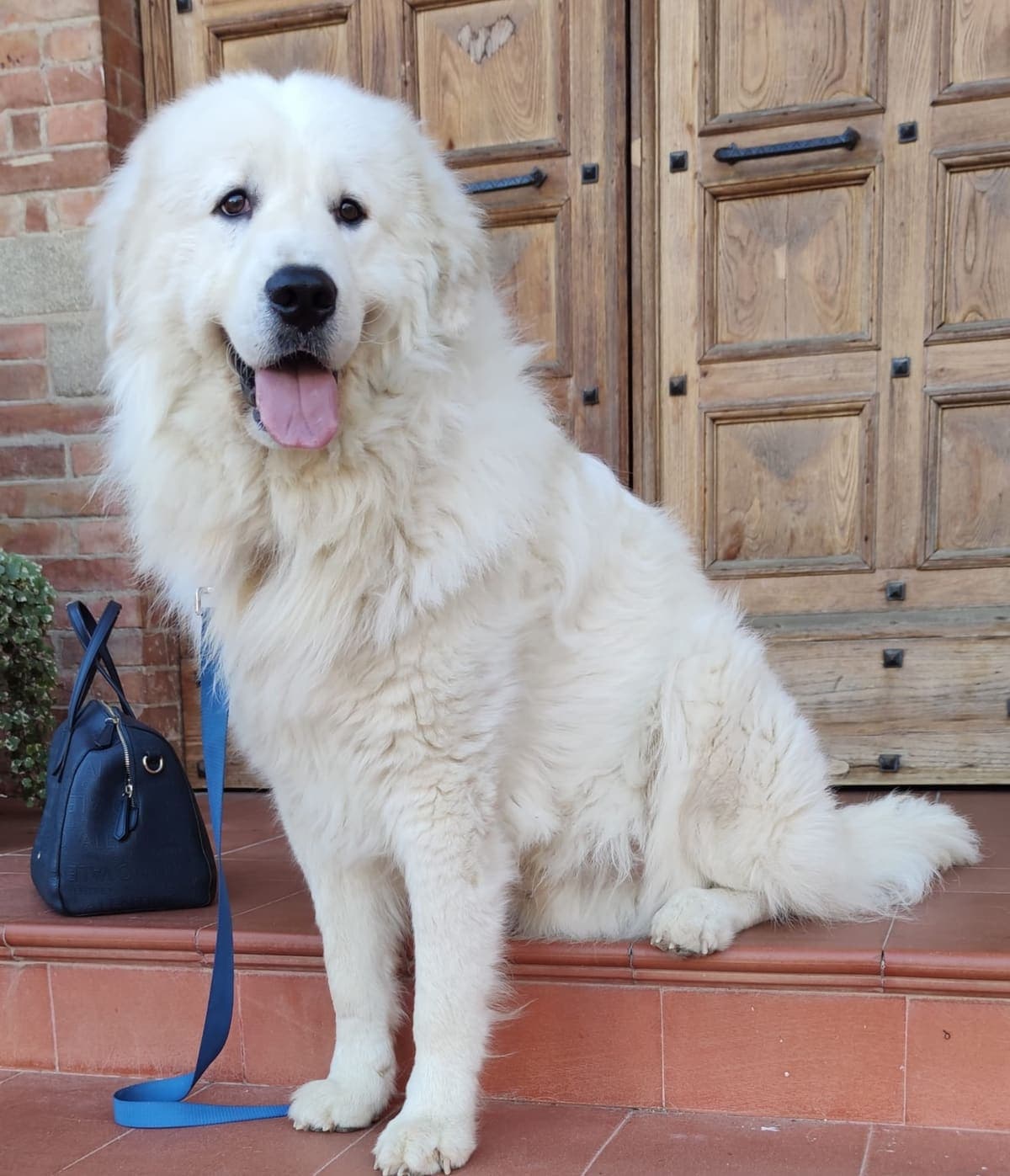
Photo by Phoenix887788 · CC BY-SA 4.0
Great Pyrenees are large livestock guardian dogs known for a calm demeanor, protective instincts, and an independent mindset. They bond closely with family and are gentle with children, but they may be wary of strangers and prone to nighttime barking. Because they were bred to make decisions on their own, consistent training and secure fencing matter. Their thick coat requires regular brushing. Give them management, Great Pyrenees can be steady, devoted guardians and affectionate companions.
The Great Pyrenees is a giant dog in the Working group, known for Calm, Protective, Independent. Adults typically weigh 85-120 lbs and stand 25-32 in, with a lifespan around 10-12 years.
Quick facts
- Group: Working
- Size: giant
- Lifespan: 10-12 years
- Weight: 85-120 lbs
- Height: 25-32 in
- Temperament: Calm, Protective, Independent, Gentle
Temperament & day-to-day life
Temperament helps you predict what daily life with this breed may feel like. The Great Pyrenees is often described as Calm, Protective, Independent, Gentle. Individual dogs vary, but these traits are a solid starting point when you’re planning training, enrichment, and routines.
If you’re researching this breed because you’re trying to identify your own dog, use temperament as supporting evidence—not the final verdict. Compare size, proportions, and behavior patterns, then explore visual matches from a photo using the AI dog breed identifier.
Training & exercise
Working breeds were developed for jobs like guarding, rescue, pulling, and protection. They’re often powerful, steady, and thrive with structure.
Clear boundaries and predictable routines help. Focus on engagement, impulse control, and rewarding calm behavior as much as high drive.
Most working dogs need both physical exercise and purposeful tasks. Strength and athleticism should be matched with thoughtful training.
History
The Great Pyrenees originated in the Pyrenees mountains between France and Spain as a livestock guardian. The breed was prized for protecting flocks from predators in rugged terrain.
Care tips
Good care is less about perfection and more about consistency. Start with simple routines you can keep up—daily movement, a predictable feeding plan, and regular check-ins for ears, nails, and skin.
- Secure your fencing; independent guardians may roam to patrol.
- Brush frequently; thick coats shed heavily, especially seasonally.
- Socialize early to shape confident, stable behavior around strangers.
- Train with patience; independence requires consistent reinforcement.
- Expect alert barking—teach cues and manage nighttime routines.
How the detector tells a Great Pyrenees apart
Our reviewed benchmark groups the Great Pyrenees with breeds that share its silhouette, coat, or head type, so the photo detector is measured against them directly. These are the visible differences the model keys on, and the ones to check yourself when two matches sit close together.
Look-alike group: Large guardian dogs
All three are giant, heavy-boned dogs with long coats, drop ears and broad heads, so from a distance or as puppies they simply read as one big shaggy dog.
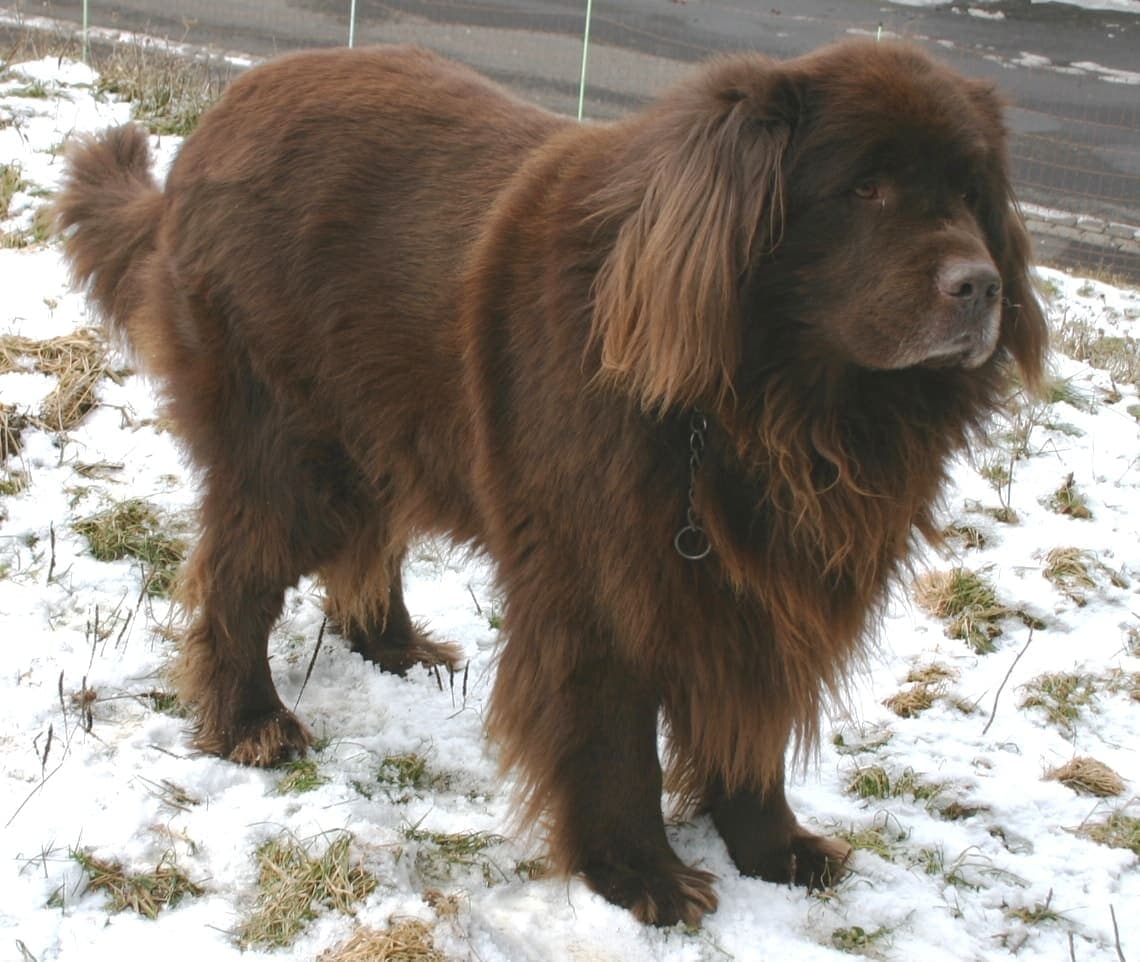
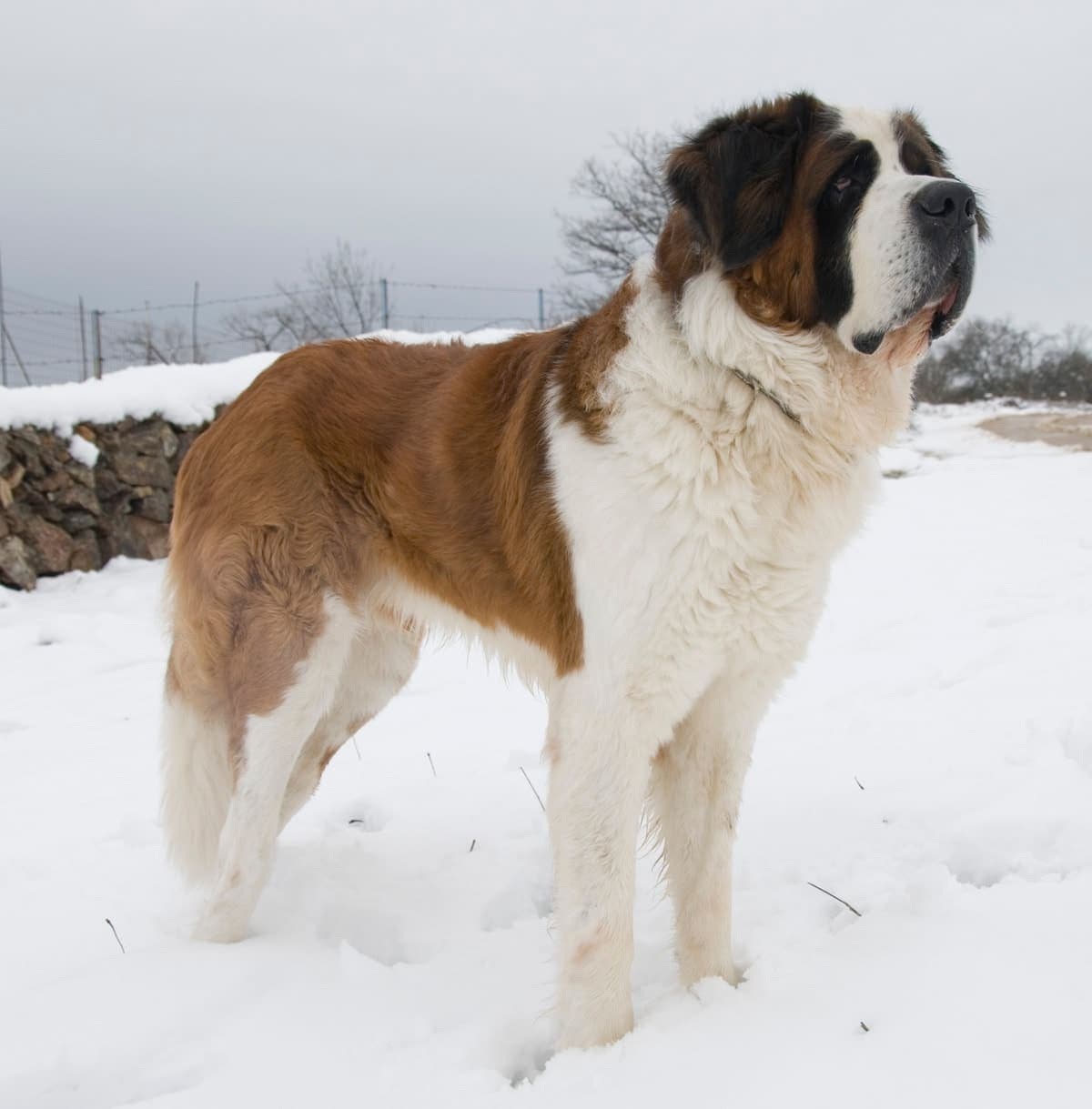
- Color settles most cases: a Great Pyrenees is white with at most grey, badger or tan markings on the head, a Saint Bernard is red or brindle with white and a dark shaded face, and a Newfoundland is black, brown, grey or black-and-white.
- A Saint Bernard has a massive head with a deeply wrinkled forehead, a pronounced stop and heavy hanging lips, a Newfoundland has a broad skull with a short square muzzle and no wrinkles, and a Great Pyrenees has a refined wedge head with almost no stop and tight lips.
- A Newfoundland's coat lies flat and looks oily and water-resistant, a Great Pyrenees has a coarse, straight or slightly wavy stand-off coat with a mane and pantaloons, and a Saint Bernard can be either smooth or rough-coated.
- Watch the tail: an alert Great Pyrenees curls its plumed tail up over its back in a wheel, while a Newfoundland's broad tail hangs down and a Saint Bernard's long heavy tail hangs low with a slight curve.
- A Great Pyrenees has double dewclaws on each hind leg, a detail you can spot in a side or rear view that neither the Saint Bernard nor the Newfoundland shares.
Commonly mistaken for:
Side-by-side guides:
Read how the groups were built and how the model is tested in the confused dog breeds study and the testing methodology.
Similar breeds to compare
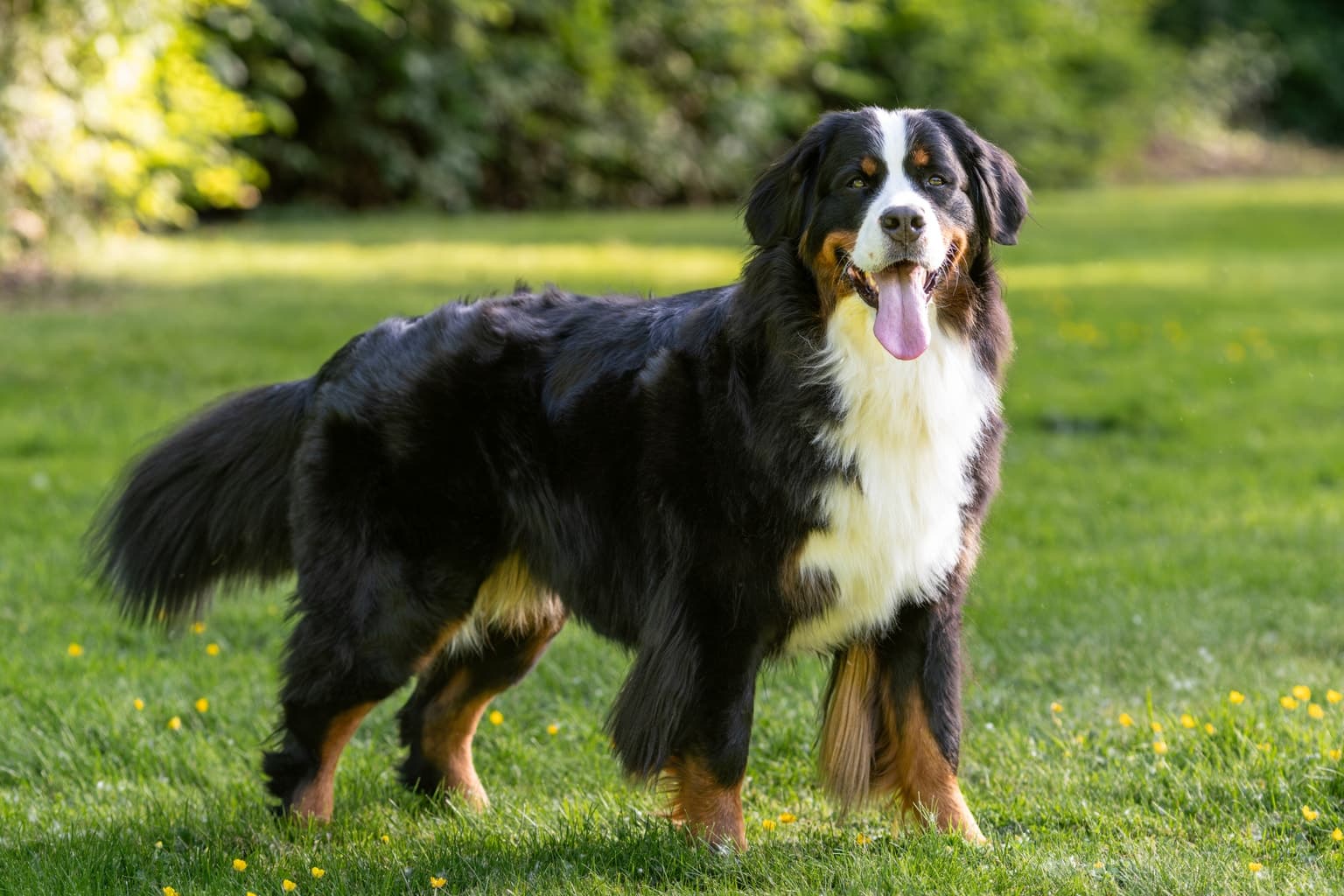
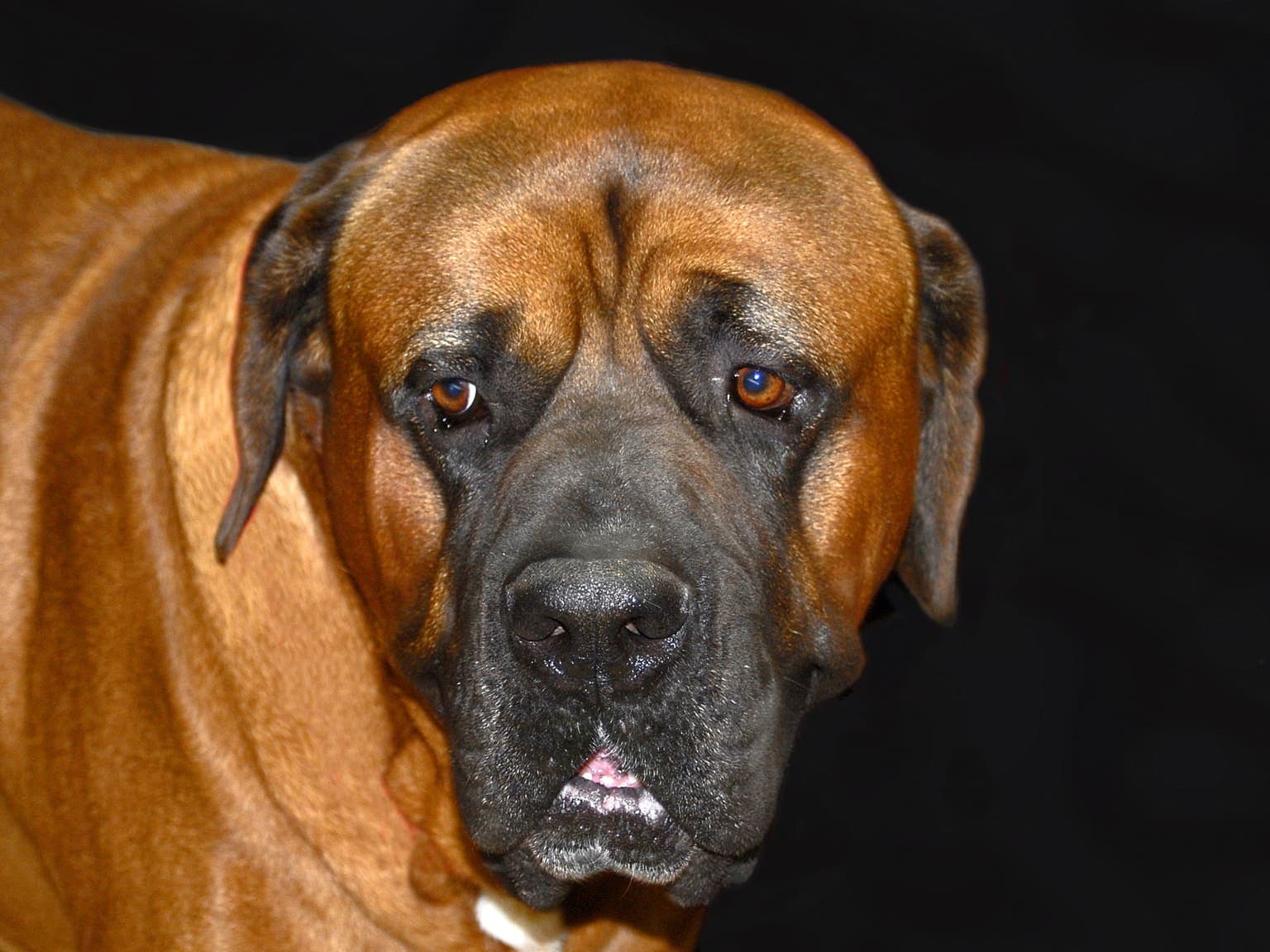
Many breeds share similar silhouettes and features. If you’re comparing AI results or deciding between breeds, it helps to read a few profiles side by side. Common look-alikes and close cousins to the Great Pyrenees include Newfoundland, Saint Bernard, Bernese Mountain Dog, Mastiff.
When you compare, focus on structure (muzzle length, ear set, body proportions) as much as coat color. Then confirm by looking at temperament and daily care needs.
FAQ
How big do Great Pyreneess get?
Most adult Great Pyreneess fall around 85-120 lbs and stand 25-32 in. Genetics, diet, and activity level all influence where an individual dog lands within that range.
How long do Great Pyreneess live?
The typical lifespan is 10-12 years. Preventive vet care, healthy weight, and consistent daily exercise are some of the biggest factors that support longevity.
What is the Great Pyrenees temperament like?
Many owners describe this breed as Calm, Protective, Independent, Gentle. Early socialization and reward-based training help those traits show up as calm confidence at home and on walks.
How can I identify a Great Pyrenees from a photo?
Upload a clear photo (ideally with the full body visible) to our dog breed identifier. Use the results as a starting point, then compare likely matches in the breed directory. If you are still asking what breed is my dog, that guide walks through ear set, muzzle, coat, and size before you upload.
Sources and further reading
This profile is reviewed against primary registry material. General care information is educational; ask a veterinarian about an individual dog's health or treatment.
- American Kennel Club: Great Pyrenees: Primary registry overview for breed history, group, structure, and typical traits.
See our editorial and correction policy.