Irish Wolfhound
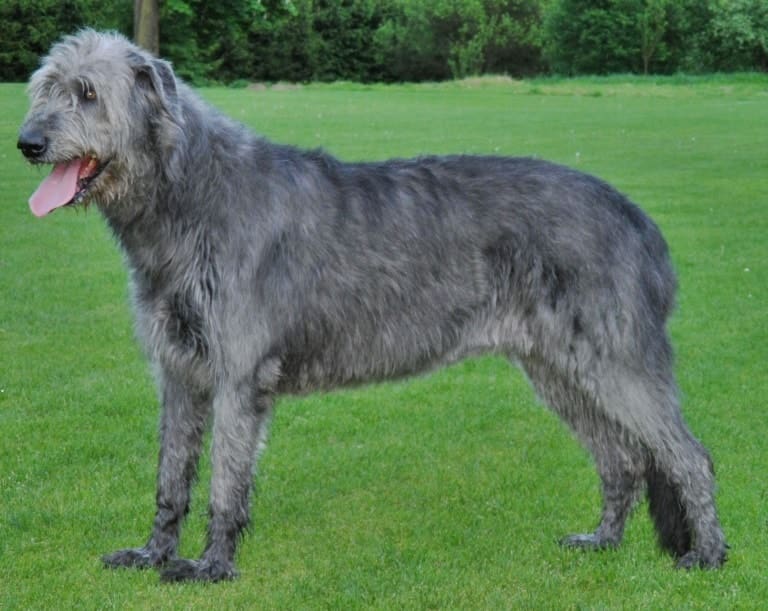
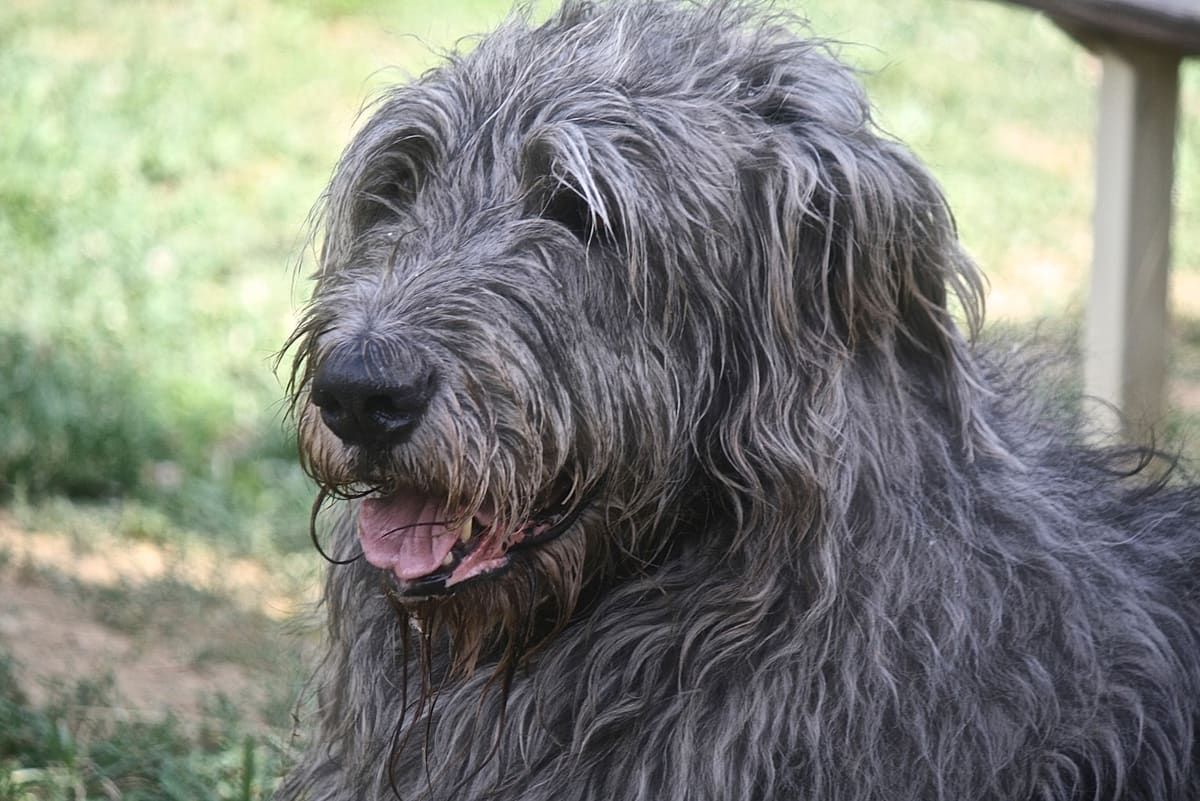
Photo by Jmettlen · CC BY-SA 3.0
Irish Wolfhounds are giant sighthounds known for a calm, gentle temperament and a dignified presence. Despite their size, many are quiet indoors and prefer steady walks and relaxed companionship over constant activity. Their wiry coat needs routine grooming, and early training matters for good manners because of their strength and height. Wolfhounds do best with space to stretch out and a family that appreciates a slower pace. With thoughtful care, they are affectionate giants with a long history.
How to recognize a Irish Wolfhound
- The standard calls it the largest and tallest of the galloping hounds, a rough-coated dog of Greyhound-like type.
- The coat is rough and hard on the body, legs and head, and especially wiry and long over the eyes and under the jaw.
- The head is long and carried high, with a long, moderately pointed muzzle and small ears carried like a Greyhound's.
- The chest is very deep, the back rather long with arched loins, and the belly well drawn up.
- The long, slightly curved tail is well covered with hair and carried with an upward sweep.
Quick facts
- Group: Hound
- Size: giant (large and giant dog breeds)
- Height: 30+ in
- Weight: 105+ lbs
- Males, per the AKC standard: at least 32 in, at least 120 lbs
- Females, per the AKC standard: at least 30 in, at least 105 lbs
- Lifespan: 6-8 years
- Temperament: Gentle, Dignified, Calm, Friendly
- AKC recognized: 1897
These are minimums for hounds over 18 months, and the standard bars anything smaller from competition. It aims for males that average 32-34 in.
Coat and colors
Rough and hard on the body, legs and head, and especially wiry and long over the eyes and under the jaw.
The standard recognizes gray, brindle, red, black, pure white, fawn, or any other color that appears in the Deerhound. It faults lips or a nose that are liver-colored or lacking pigment.
History and original work
Irish Wolfhounds have ancient roots in Ireland, historically used for hunting wolves and large game. The breed was revived in the 19th century after becoming rare, and it remains admired for size and gentleness.
The standard describes a galloping, coursing hound that combines power and swiftness with keen sight. That shows in a very muscular, strong but gracefully built frame with easy, active movement.
Breeds mistaken for the Irish Wolfhound
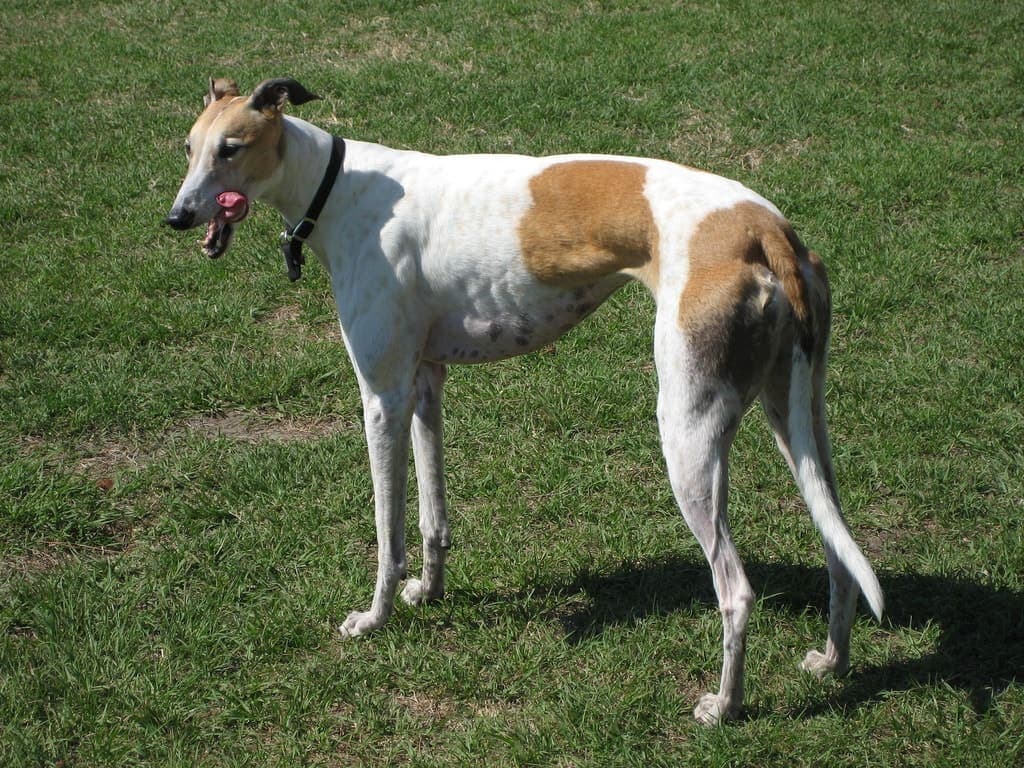
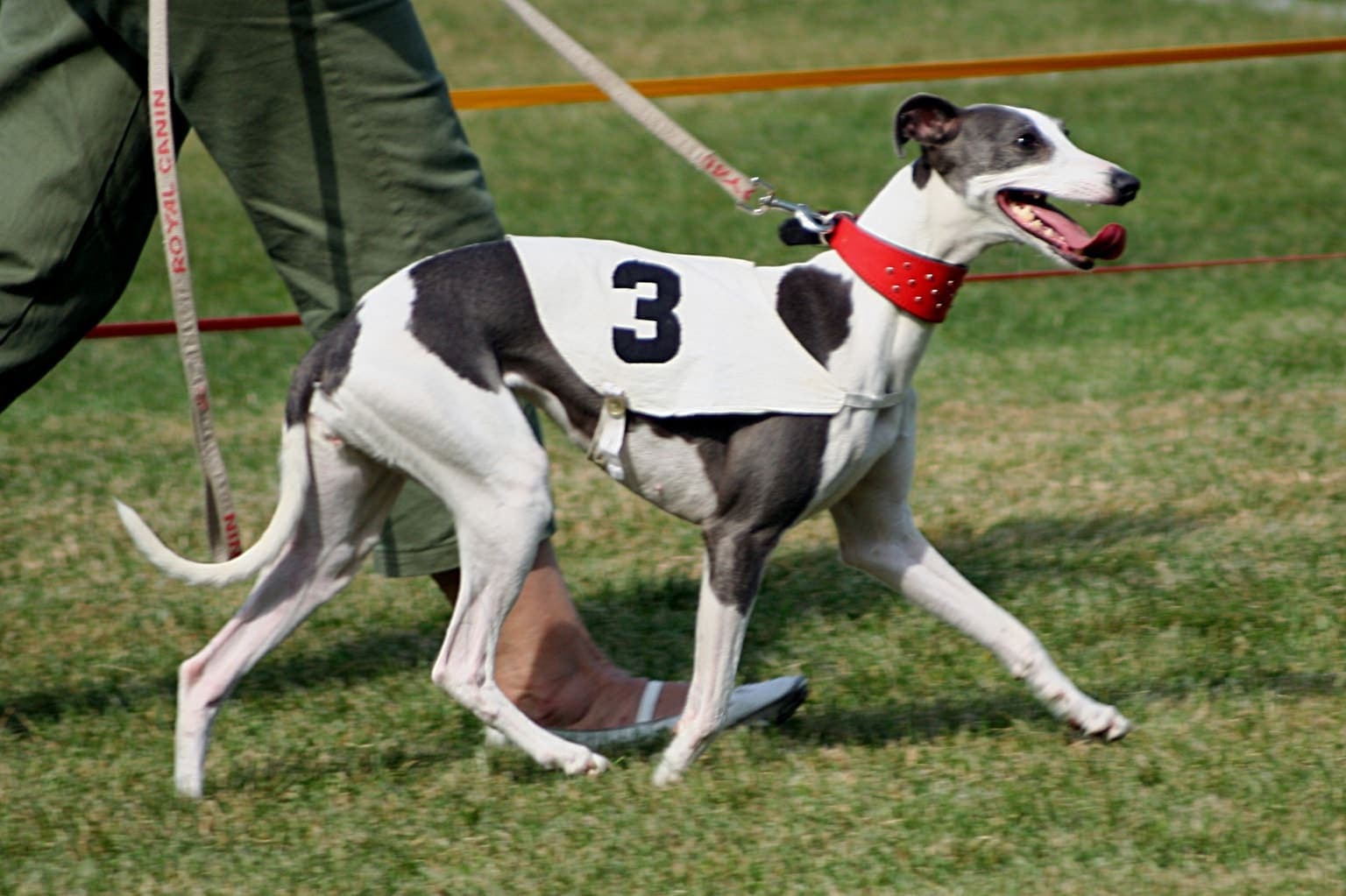
- Greyhound: A Greyhound has a short, smooth coat and males weigh 65-70 lbs, while the Irish Wolfhound has a rough, wiry coat and males weigh at least 120 lbs.
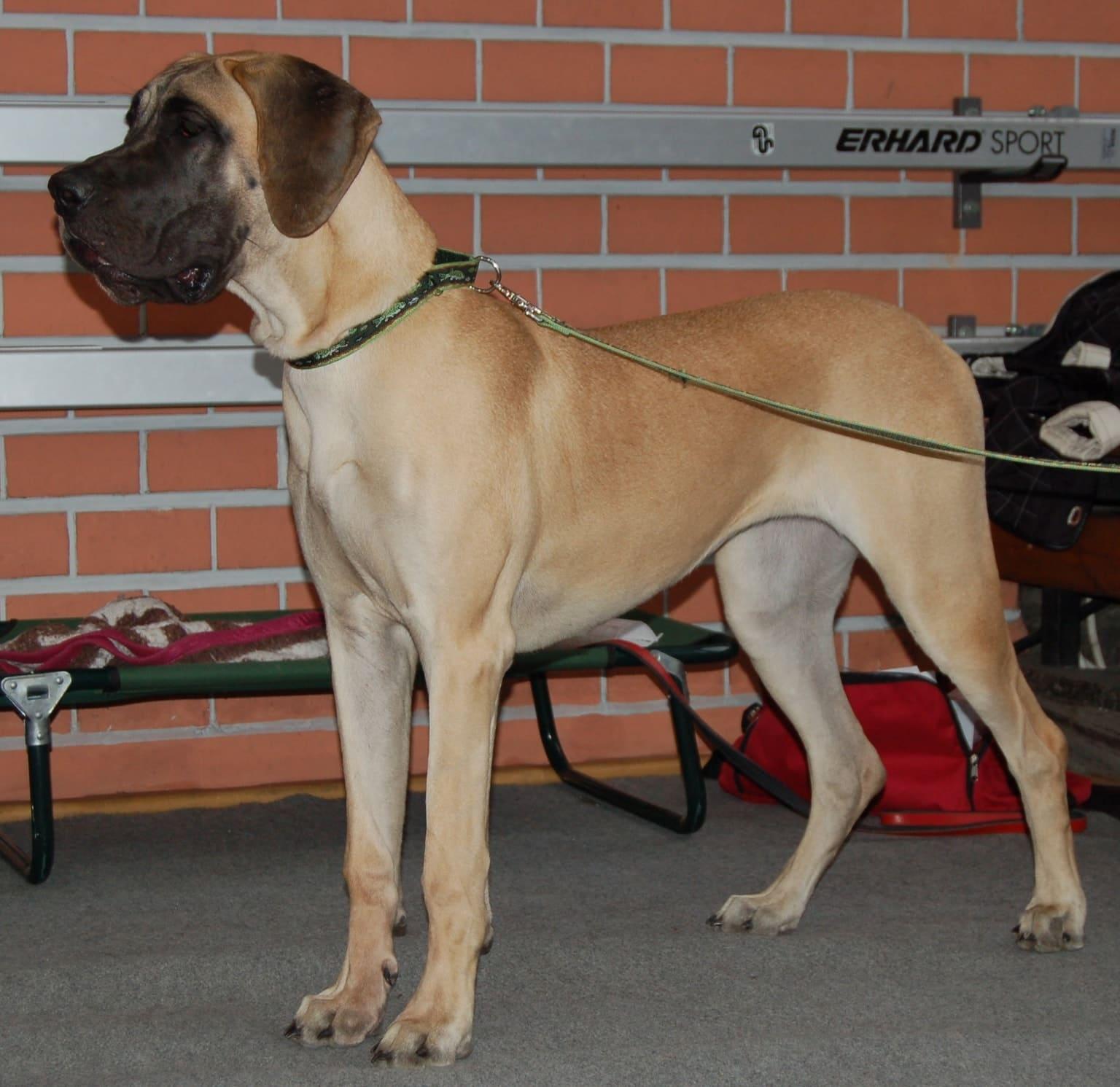
- Great Dane: A Great Dane has a short, thick, smooth and glossy coat, while the Irish Wolfhound has a rough, hard coat that is especially wiry and long over the eyes and under the jaw.
What AI models confuse it with: in Dog Breed Bench, 9 model setups gave 14 answers on one reviewed Irish Wolfhound photo. 6 named the Scottish Deerhound first.
Care tips
- Use controlled, joint-friendly exercise—avoid excessive stress on growing pups.
- Provide supportive bedding; giant bodies need cushioning.
- Train manners early—large dogs need reliable leash and greeting skills.
- Brush thoroughly about once a week; the wiry double coat sheds lightly all year.
- Discuss heart checks with your vet as part of a yearly exam.
Sources
- American Kennel Club: Irish Wolfhound: Primary registry overview for breed history, group, structure, and typical traits.
- AKC official standard: Irish Wolfhound: Source for the identifying features, coat, colors, and size by sex on this page.