Dog Breeds A–Z
Browse popular dog breeds and learn about temperament, size, lifespan, and care. Click a breed to see detailed traits, history, and related breeds.
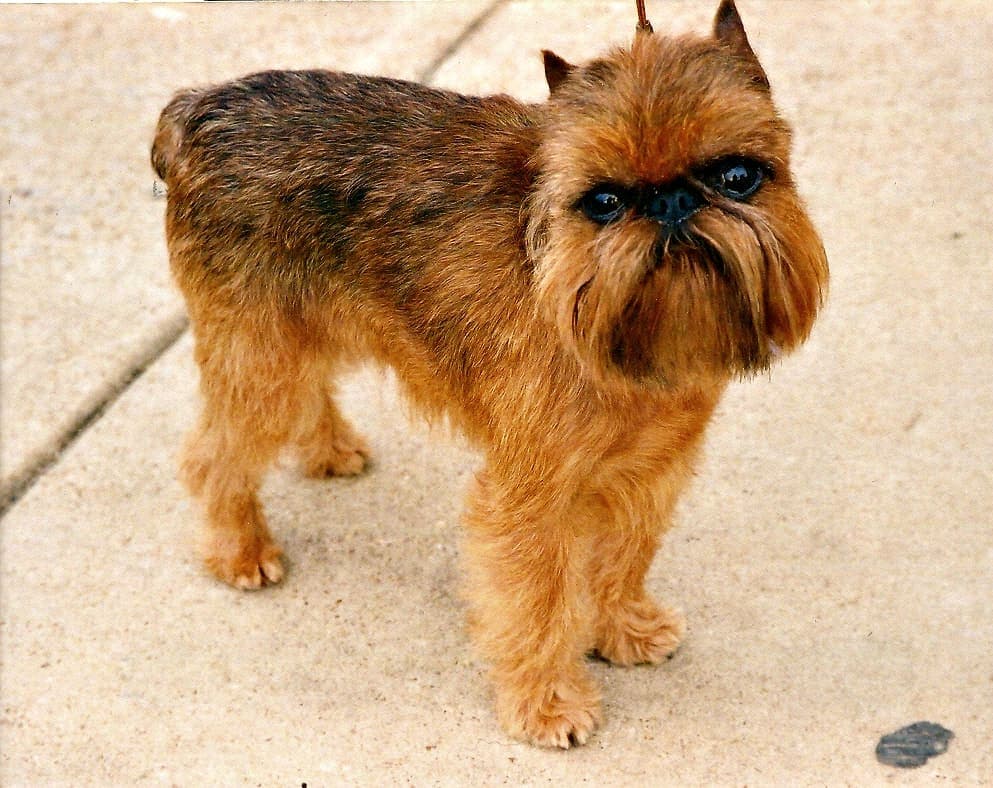
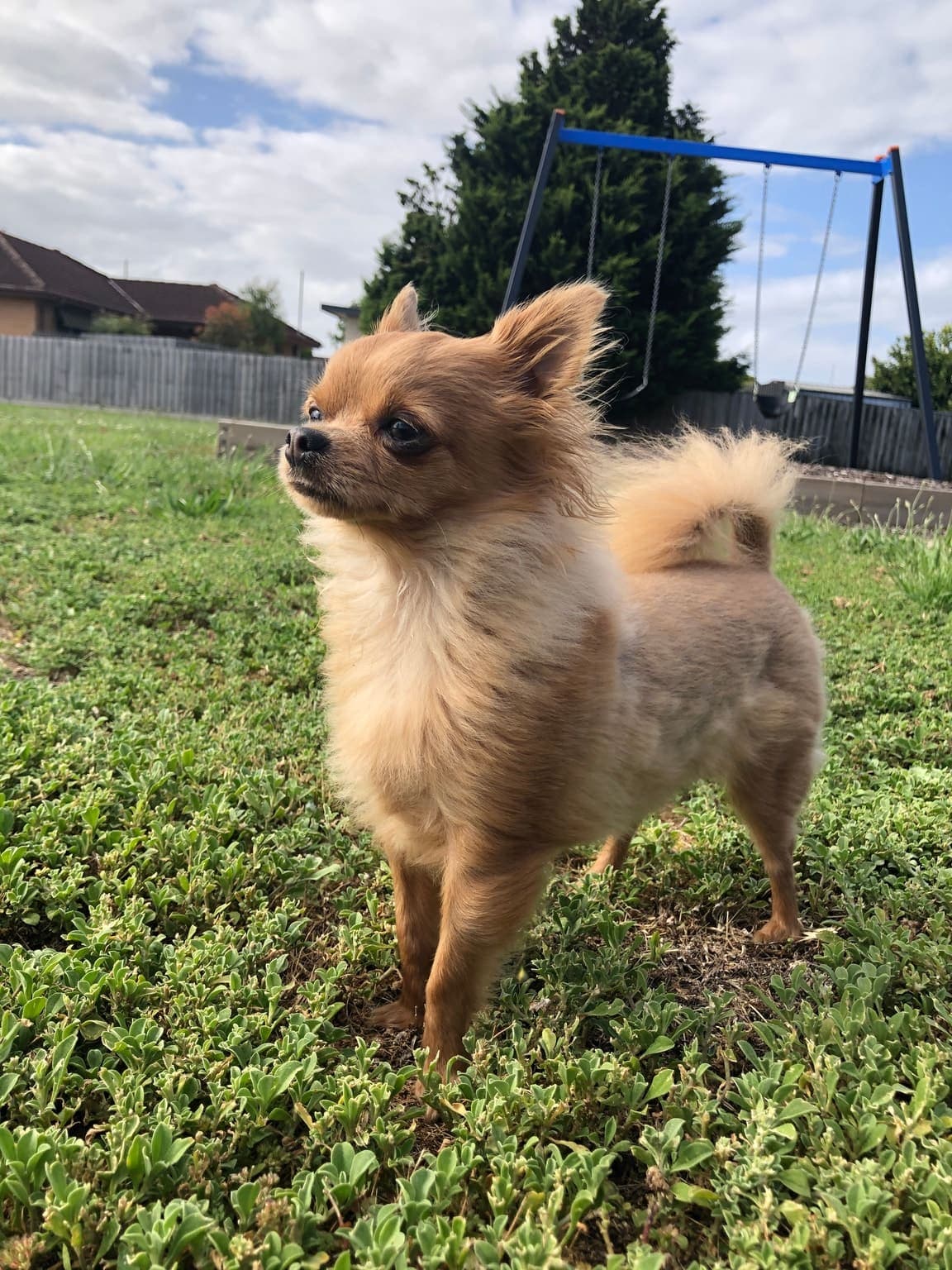
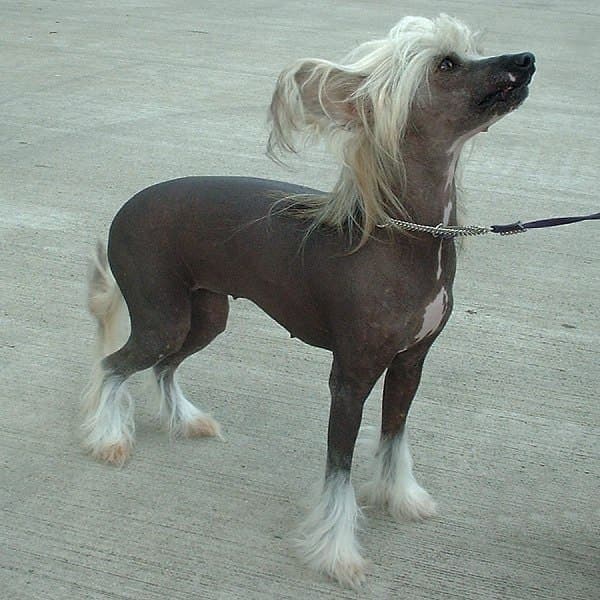
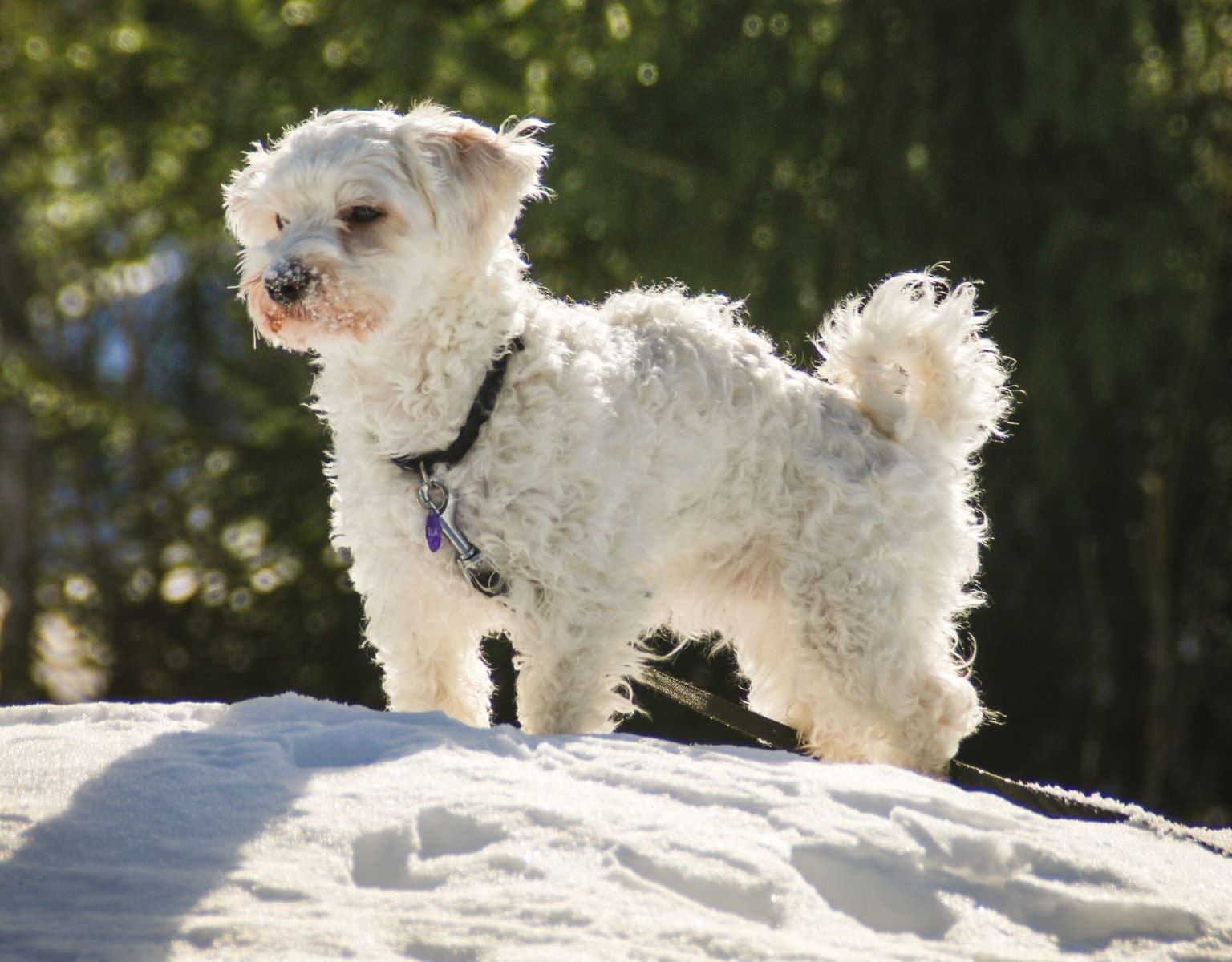
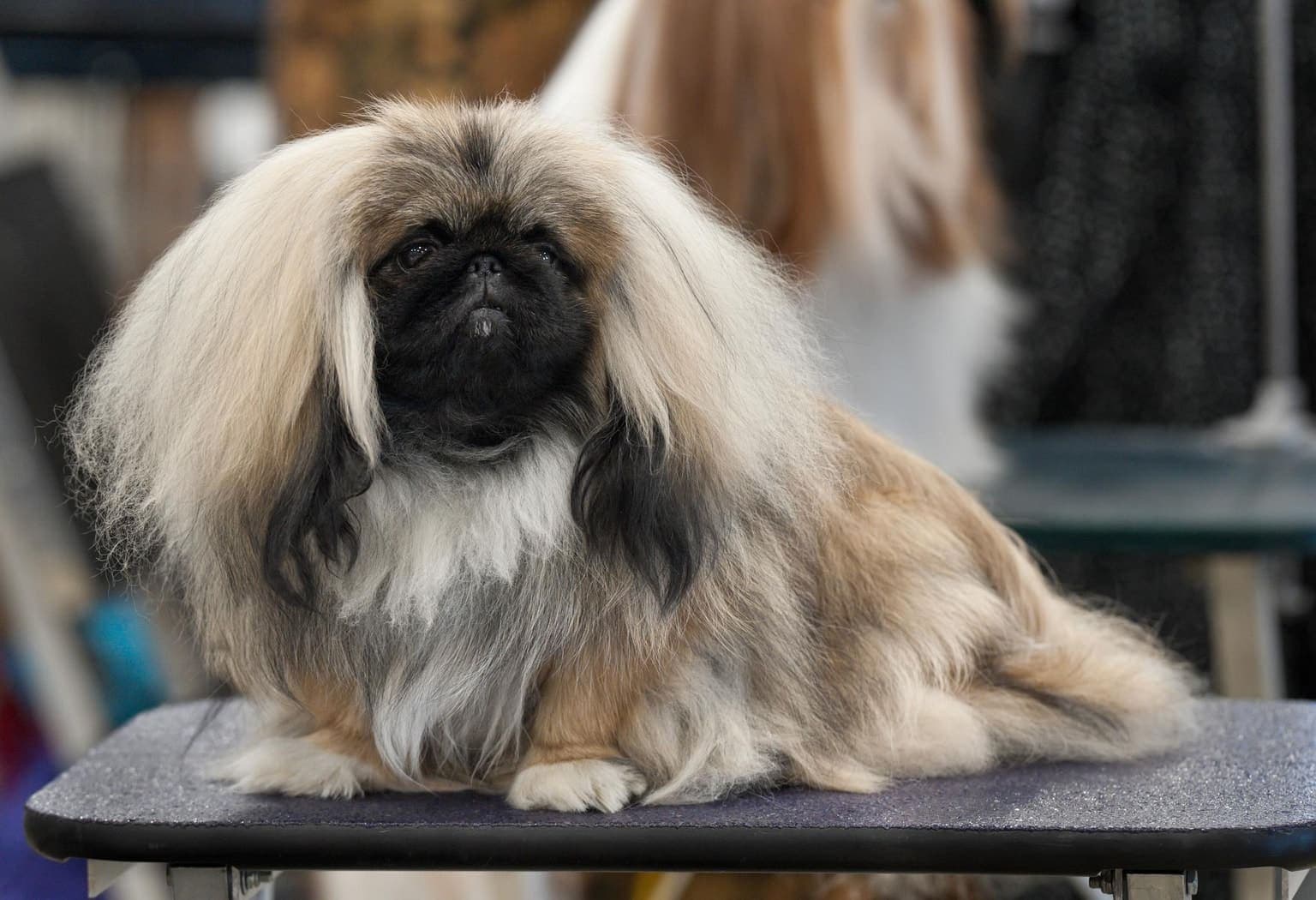
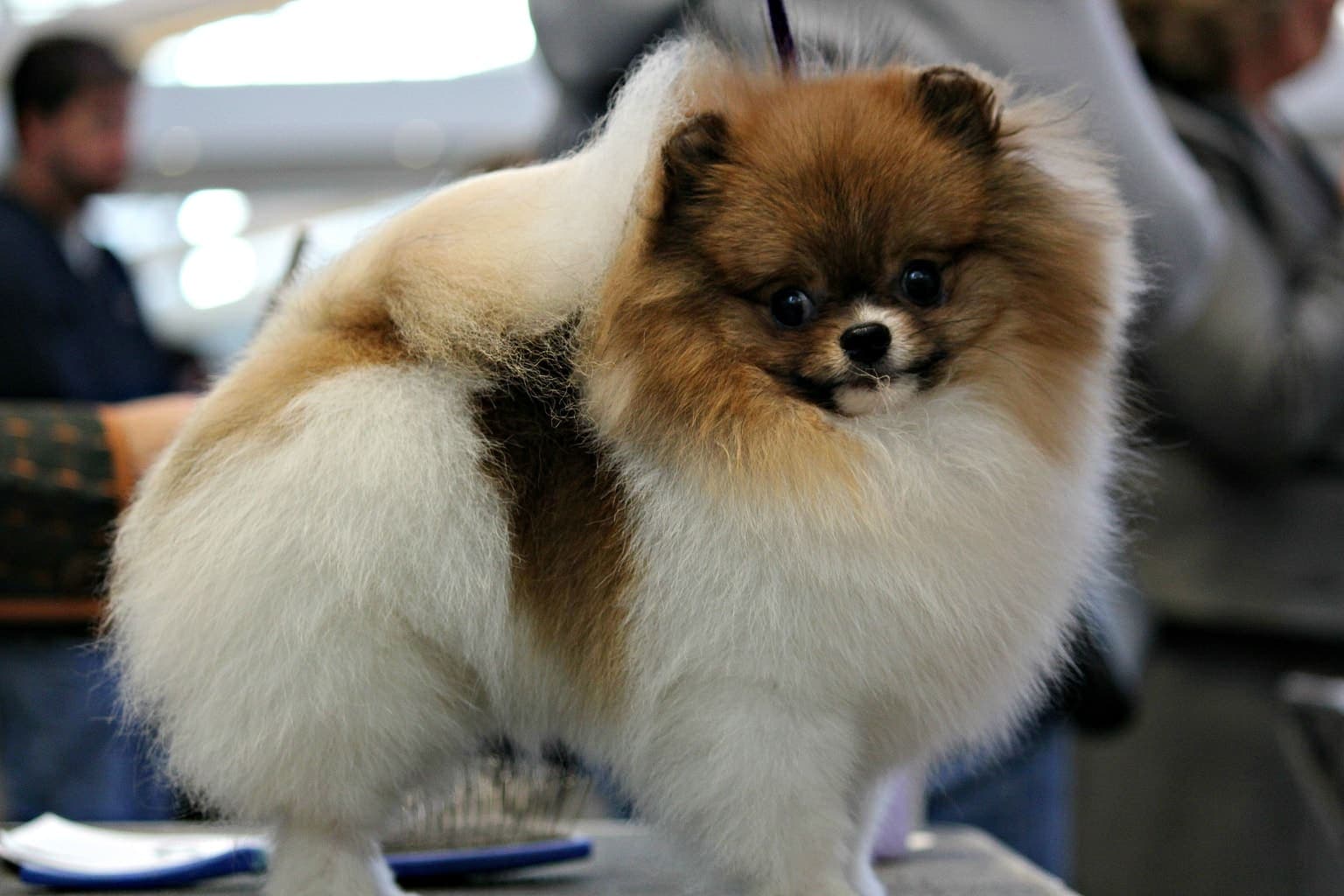
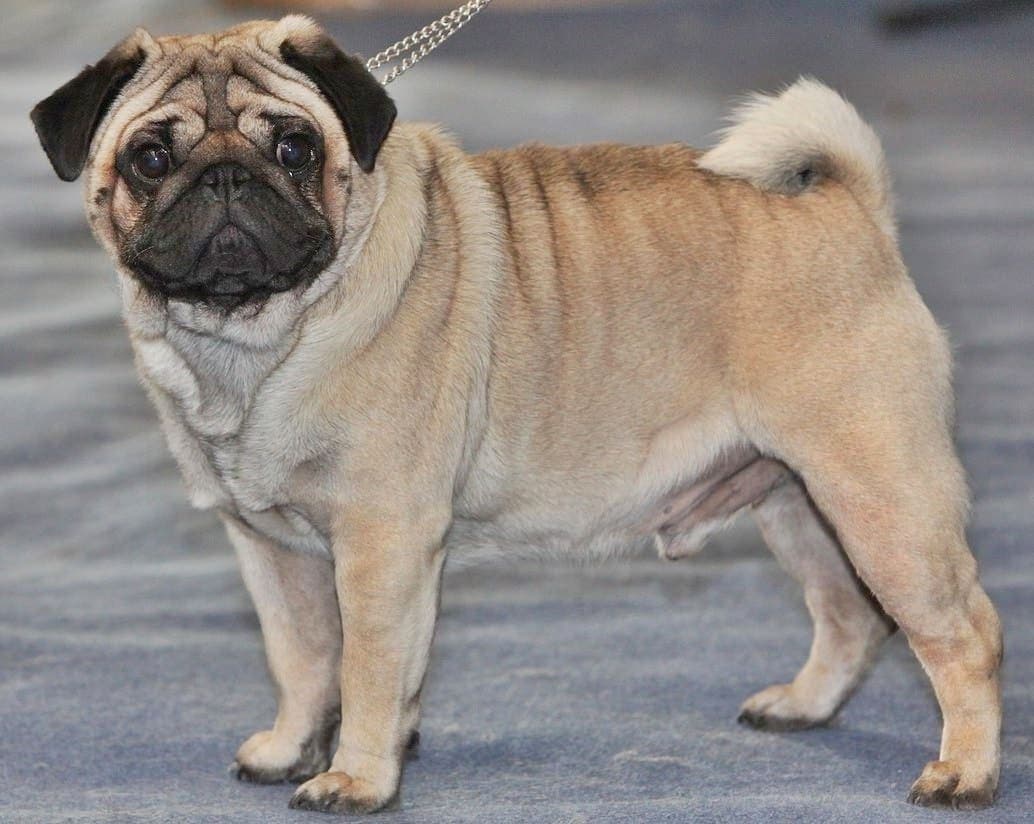
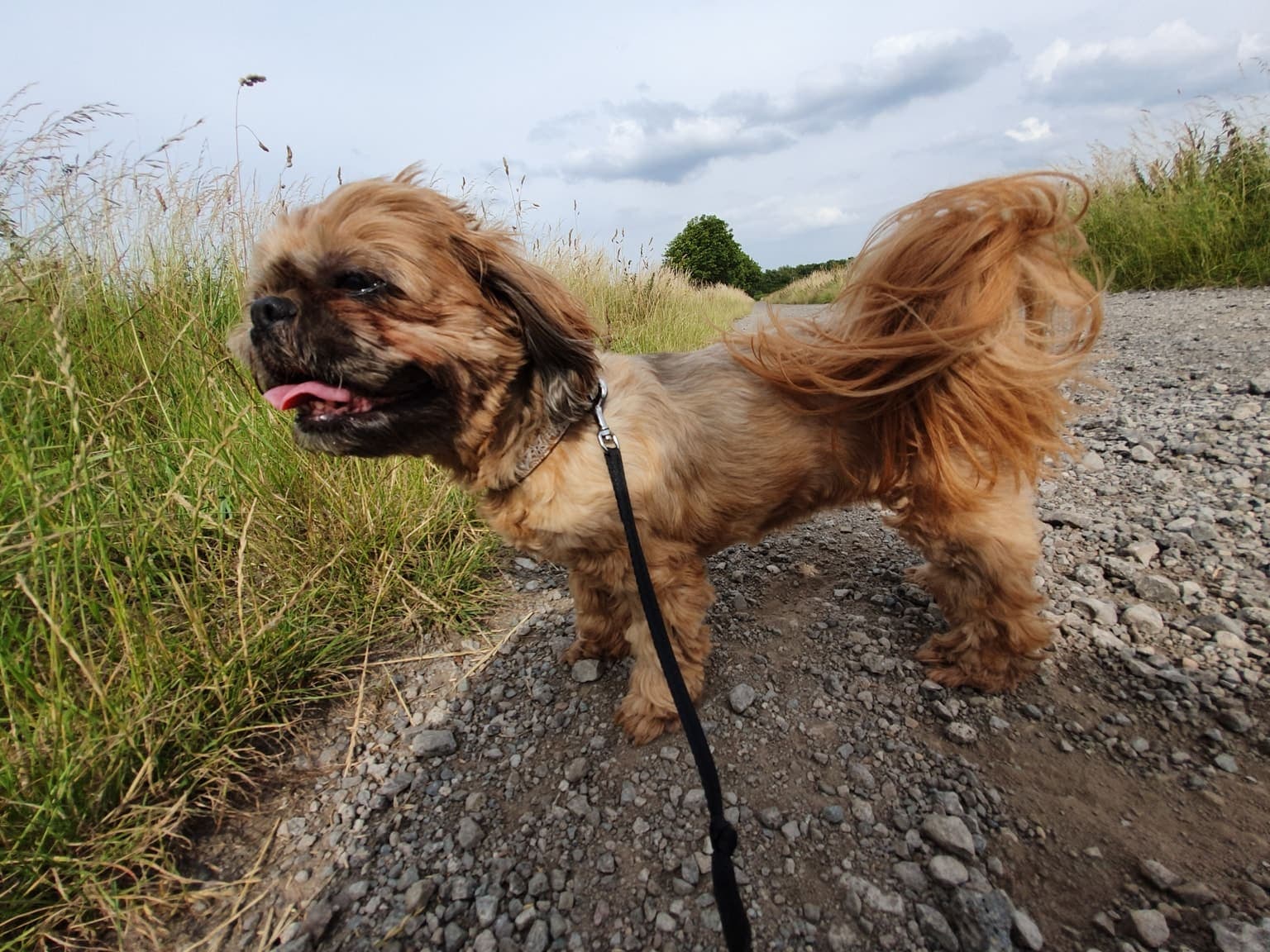
Showing 14 breeds in Toy.

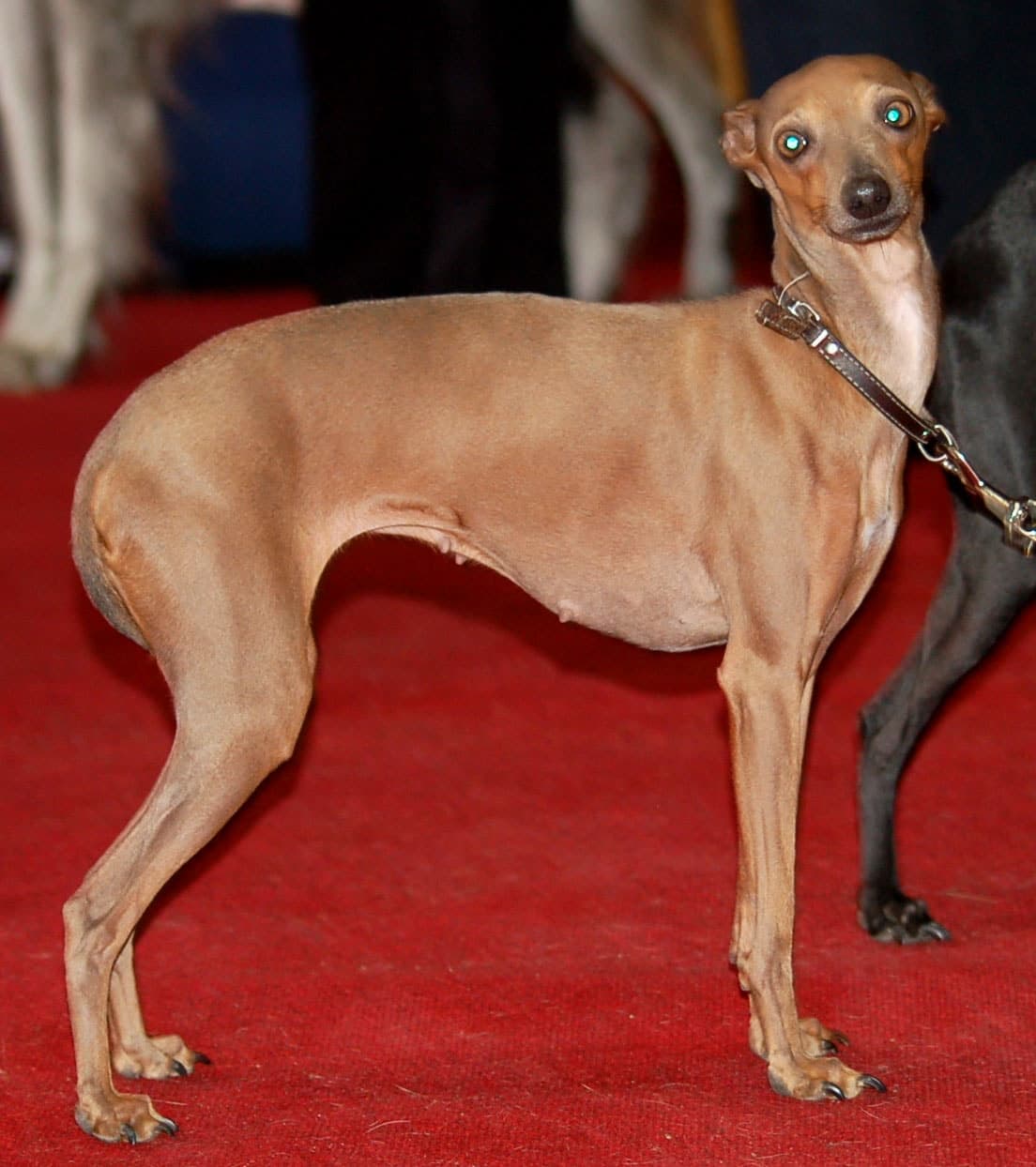
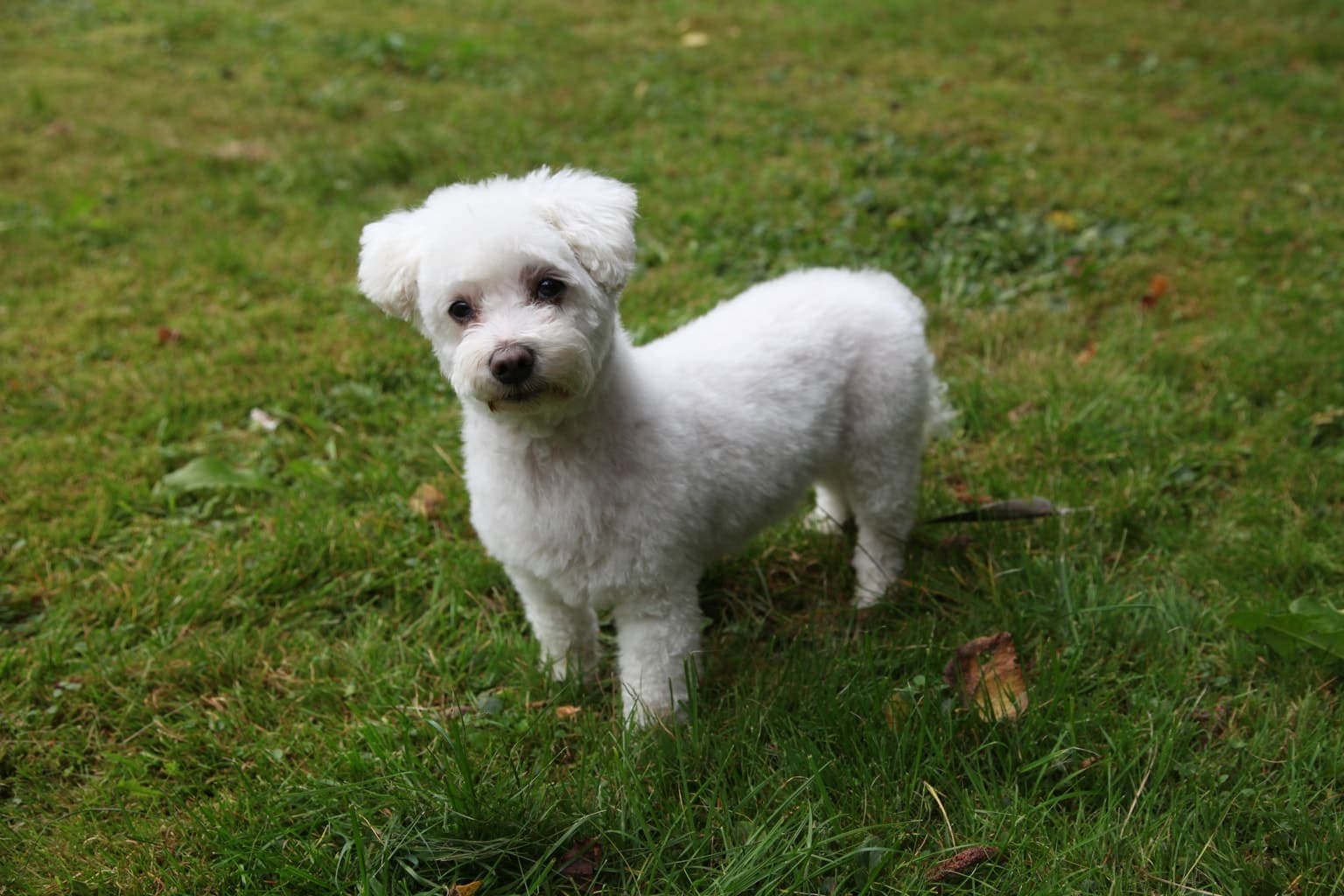
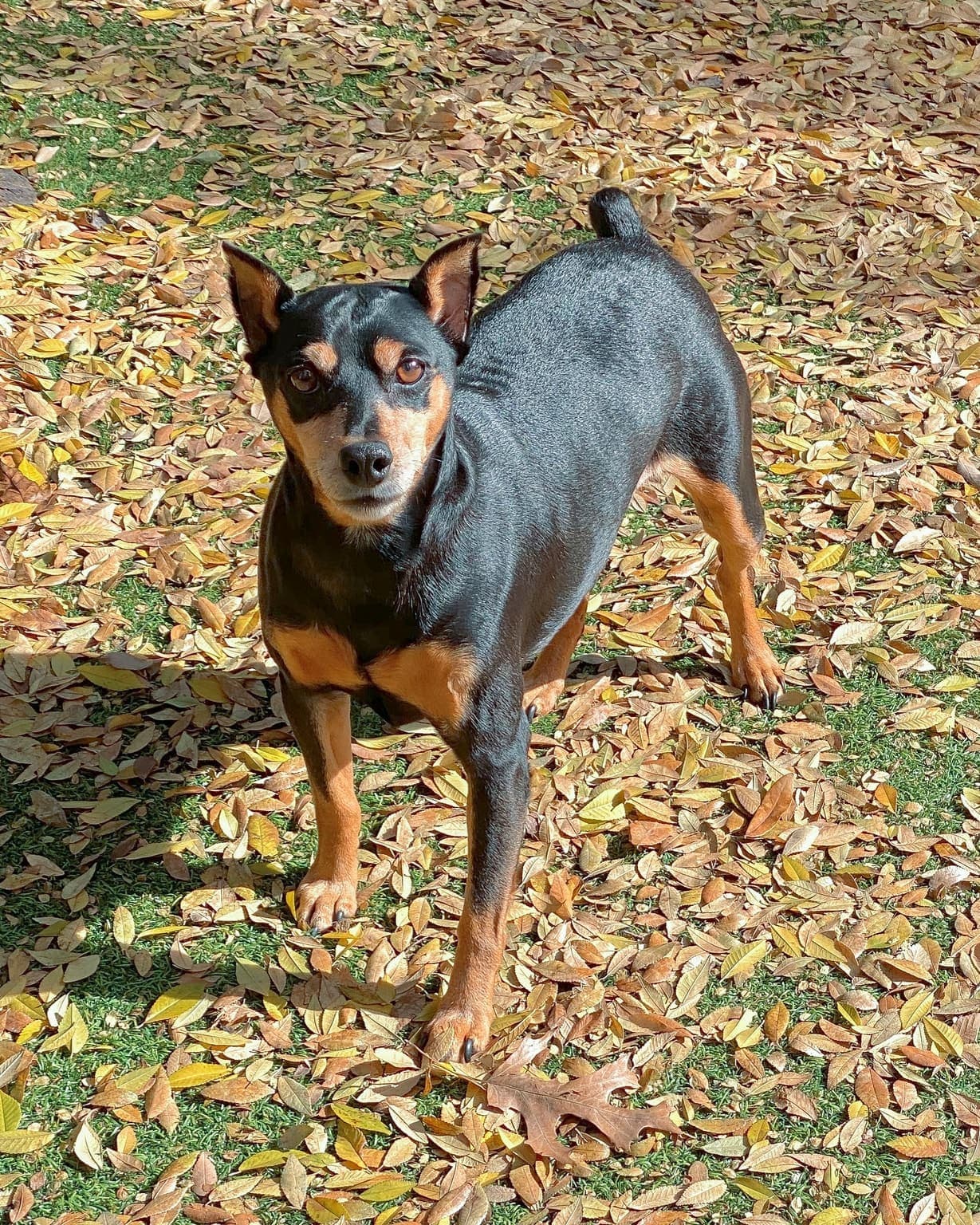
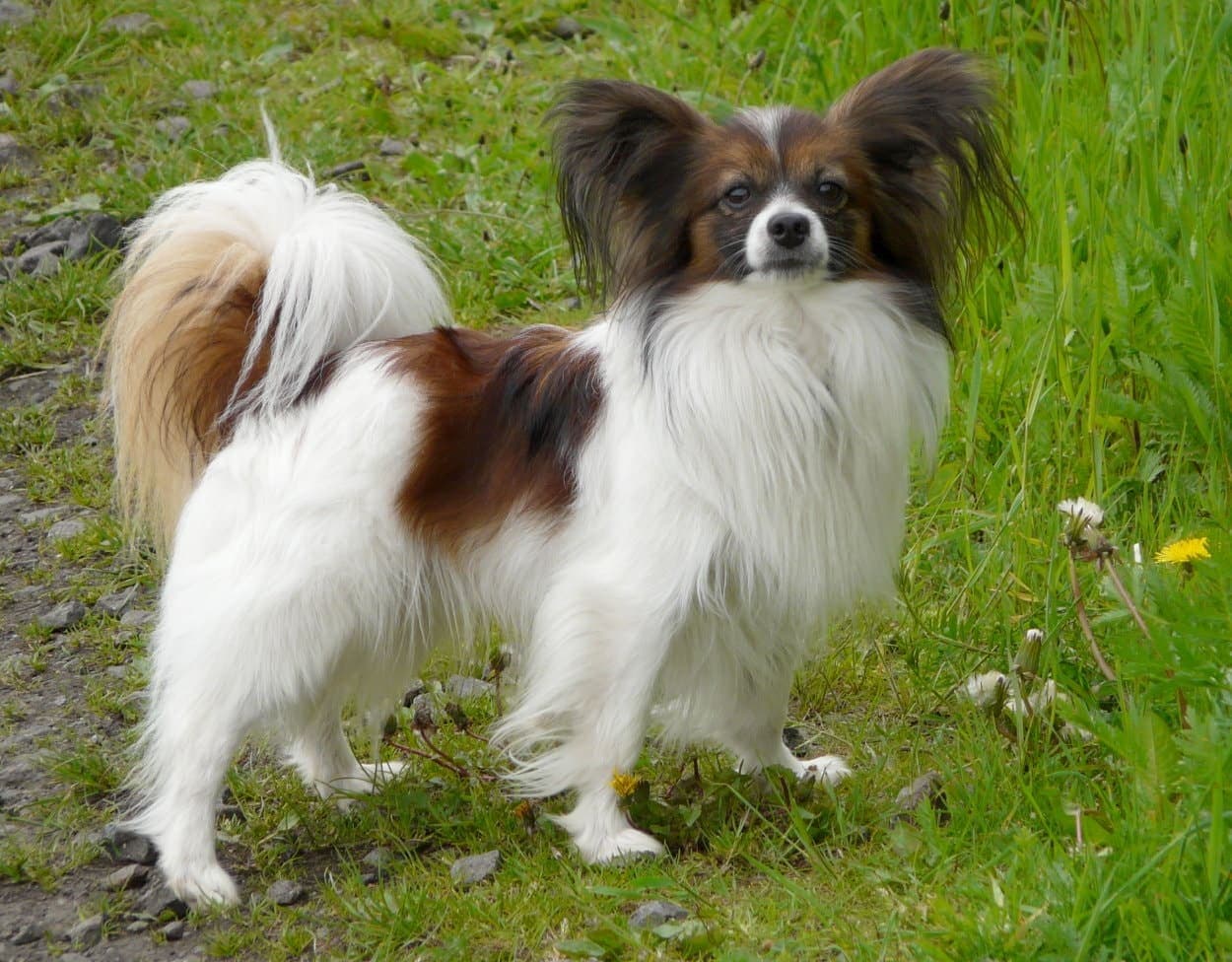

How to use this dog breed directory
If you are choosing a breed, start by narrowing the field with the filters above. If you are identifying a dog you already have, use this directory to validate the top matches from a photo scan.
- Pick a group to understand instincts and common training patterns
- Filter by size to match your home, travel style, and handling comfort
- Open a breed page to read temperament, history, and practical care tips
- Compare similar breeds if your dog looks like multiple matches
Dog breed groups explained
Breed groups are not a ranking—they are a shorthand for history and purpose. Knowing the group helps you predict energy, training style, and the kind of enrichment a dog will enjoy.
Herding
Herding breeds were developed to move livestock. Many are highly trainable and need both exercise and mental work to stay calm.
Hound
Hounds were built to follow scent or sight. Expect strong instincts, a love of exploration, and the need for consistent recall and leash training.
Non-Sporting
Non-sporting is a diverse group. Energy levels vary, so focus on the breed’s temperament, grooming needs, and daily routine.
Sporting
Sporting breeds often work closely with people in the field. Many are biddable, social, and happiest with regular activity and a job to do.
Terrier
Terriers were bred to pursue vermin. Many are confident, persistent, and thrive with boundaries, training, and engaging play.
Toy
Toy breeds were developed as companions. Many adapt well to smaller spaces but still need training, enrichment, and routine—just in shorter bursts.
Working
Working breeds were bred for tasks like guarding, rescue, and pulling. Many are powerful and do best with structure and purposeful exercise.
Size guide: small, medium, large, and giant
Size affects more than furniture. It changes exercise style, travel logistics, grooming routines, and how much training matters for polite behavior in public.
Giant
Giant breeds can be gentle and calm, but their size increases costs and care complexity. Joint-friendly routines and good manners are essential.
Large
Large breeds bring strength and presence. Plan for bigger equipment, higher food costs, and training that prioritizes leash manners and joint health.
Medium
Medium dogs are a popular “sweet spot”: athletic enough for adventures, but still manageable in most homes, cars, and routines.
Small
Small dogs are often easier to travel with and fit into tighter spaces, but they still need training, daily play, and consistency.