Siberian Husky
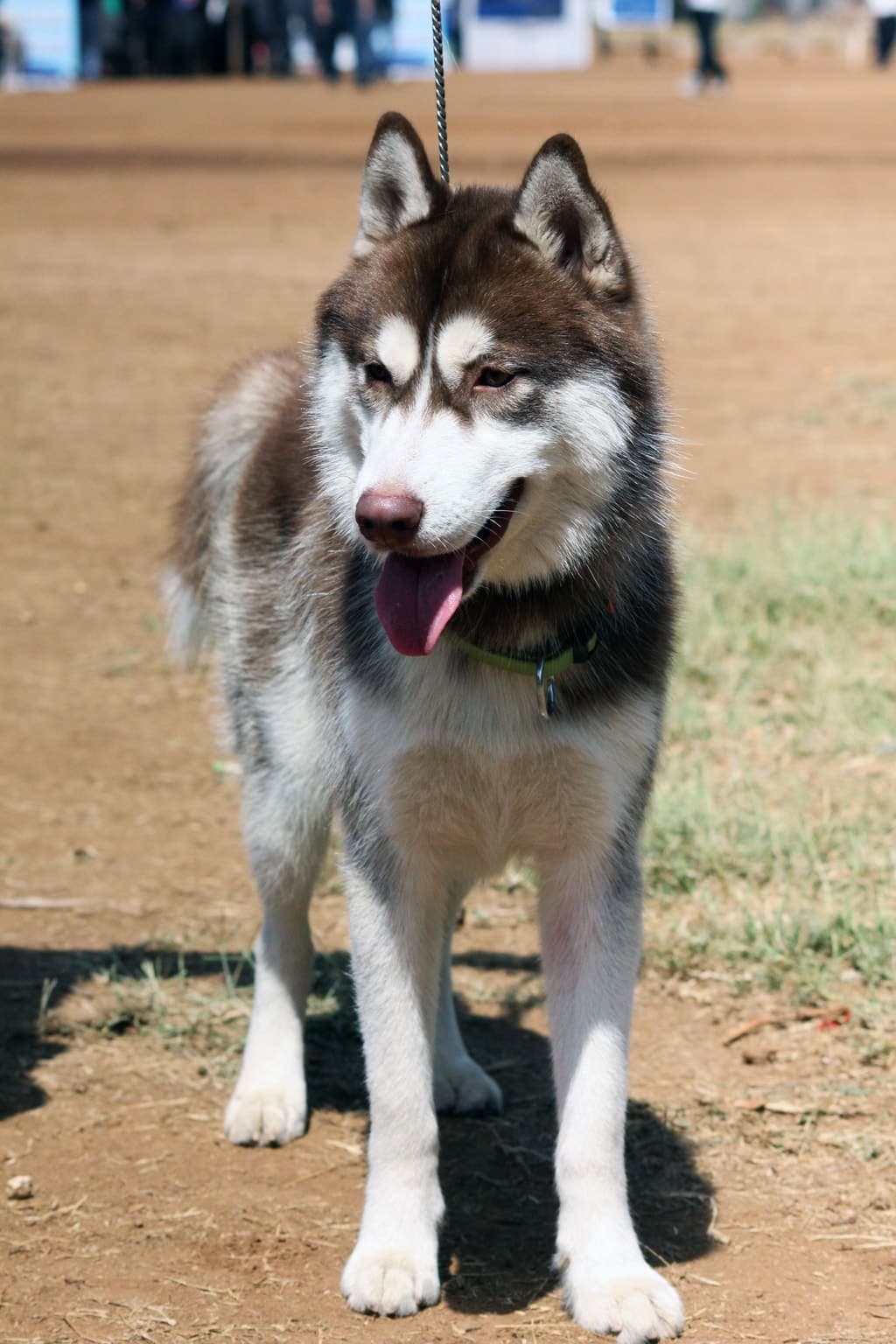
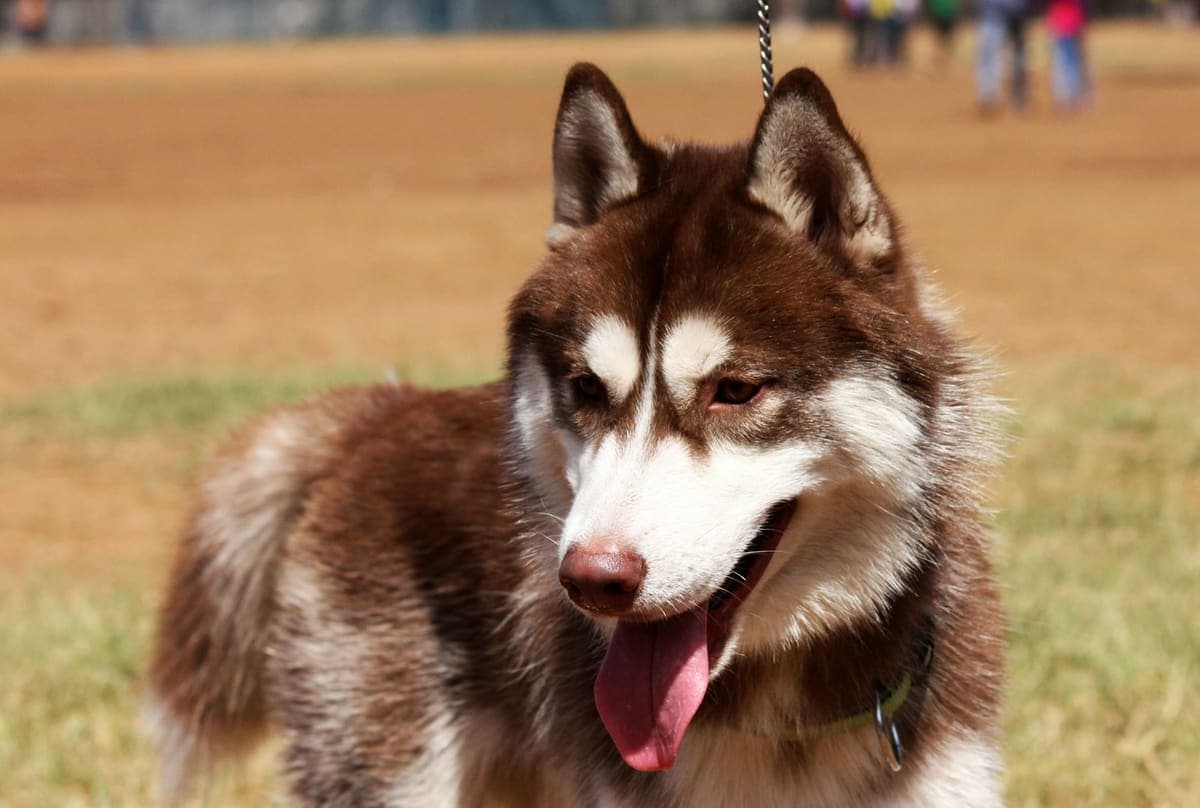
Siberian Huskies are endurance working dogs bred to pull sleds across harsh, frozen terrain. Athletic, social, and independent-minded, they perform best with owners who love outdoor activity and consistent routines. Huskies have a powerful desire to run and explore—secure containment and reliable leash habits are non-negotiable. That thick double coat sheds heavily, and they need both physical exercise and mental challenges to avoid destructive boredom.
The Siberian Husky is a large dog in the Working group, known for Energetic, Independent, Friendly. Adults typically weigh 35-60 lbs and stand 20-23.5 in, with a lifespan around 12-14 years.
Quick facts
- Group: Working
- Size: large
- Lifespan: 12-14 years
- Weight: 35-60 lbs
- Height: 20-23.5 in
- Temperament: Energetic, Independent, Friendly, Athletic
Temperament & day-to-day life
Temperament helps you predict what daily life with this breed may feel like. The Siberian Husky is often described as Energetic, Independent, Friendly, Athletic. Individual dogs vary, but these traits are a solid starting point when you’re planning training, enrichment, and routines.
If you’re researching this breed because you’re trying to identify your own dog, use temperament as supporting evidence—not the final verdict. Compare size, proportions, and behavior patterns, then explore visual matches from a photo using the AI dog breed identifier.
Training & exercise
Working breeds were developed for jobs like guarding, rescue, pulling, and protection. They’re often powerful, steady, and thrive with structure.
Clear boundaries and predictable routines help. Focus on engagement, impulse control, and rewarding calm behavior as much as high drive.
Most working dogs need both physical exercise and purposeful tasks. Strength and athleticism should be matched with thoughtful training.
History
Originating with the Chukchi people of Siberia, Huskies were bred for endurance, teamwork, and efficiency over long distances. They later gained fame through sled dog racing and expeditions.
Care tips
Good care is less about perfection and more about consistency. Start with simple routines you can keep up—daily movement, a predictable feeding plan, and regular check-ins for ears, nails, and skin.
- Provide daily vigorous exercise; bored Huskies turn destructive.
- Secure your fencing—many are skilled escape artists.
- Brush frequently during seasonal coat blowouts.
- Practice recall and leash skills; prey drive can be strong.
- Try brain games like scent games and training challenges.
How the detector tells a Siberian Husky apart
Our reviewed benchmark groups the Siberian Husky with breeds that share its silhouette, coat, or head type, so the photo detector is measured against them directly. These are the visible differences the model keys on, and the ones to check yourself when two matches sit close together.
Look-alike group: Northern spitz breeds
Thick double coats, erect triangular ears and tails carried over the back give all four the same snow-dog silhouette, especially in photos with nothing nearby for scale.
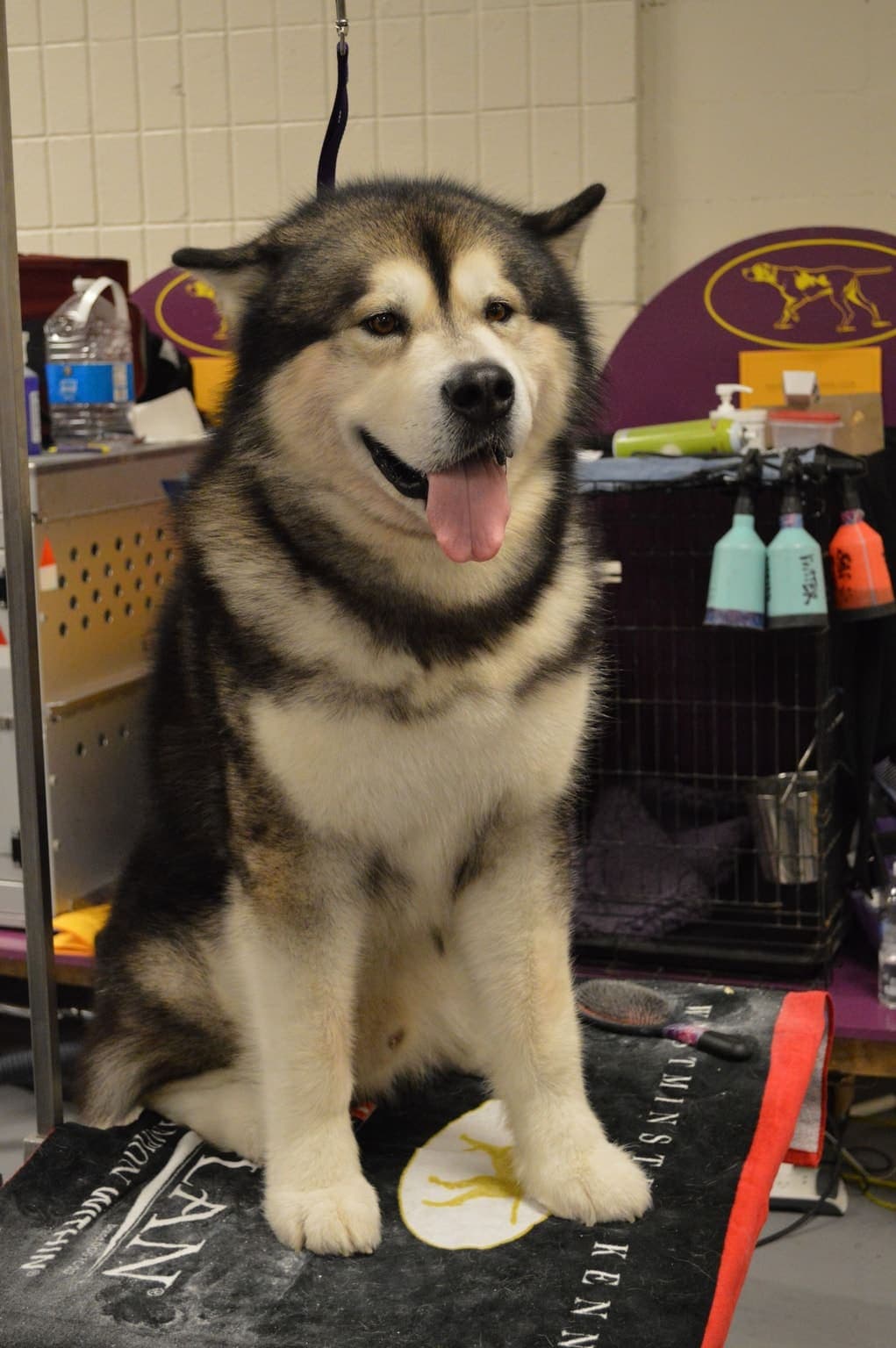
- An Alaskan Malamute is far heavier-boned than a Siberian Husky, typically 75-85 lbs against 35-60 lbs, with a broad, deep skull and a bulkier chest.
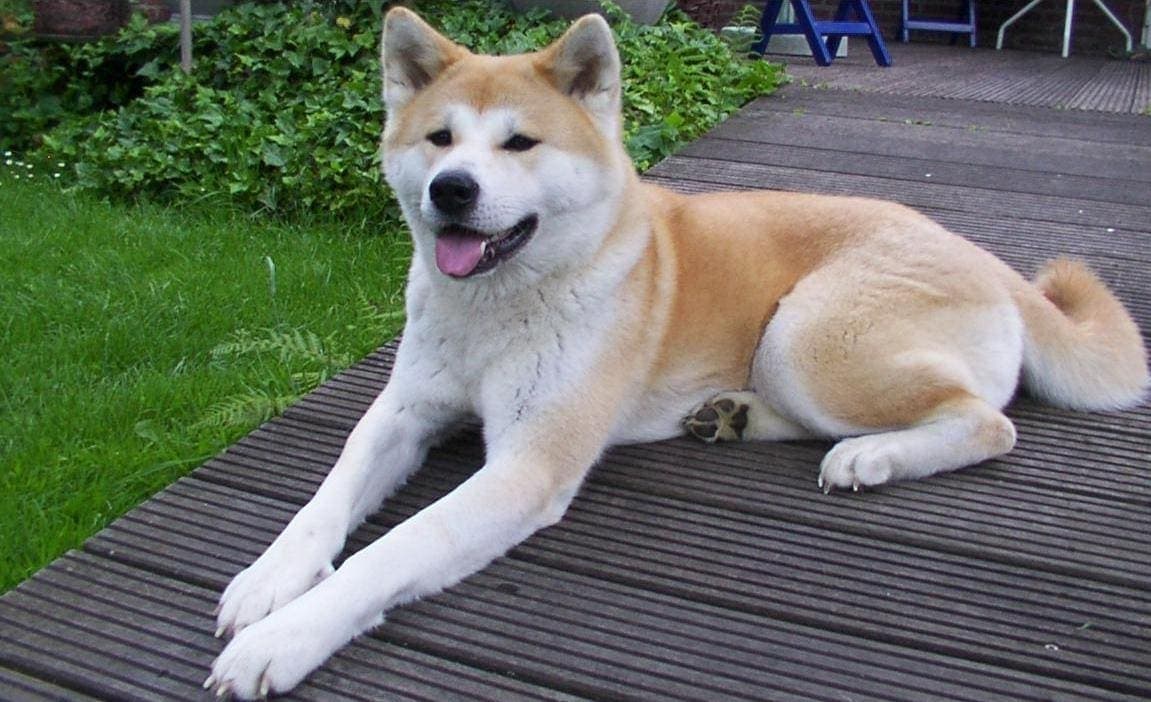
- Compare tails: a Malamute's plumed tail waves over its back, a Siberian Husky's sickle tail usually drops when the dog relaxes, and an Akita's large tail is curled tightly over the back at all times.
- The Akita has a broad, bear-like head with small ears that tilt forward in line with the neck, while a Siberian Husky's ears are set high and point straight up.
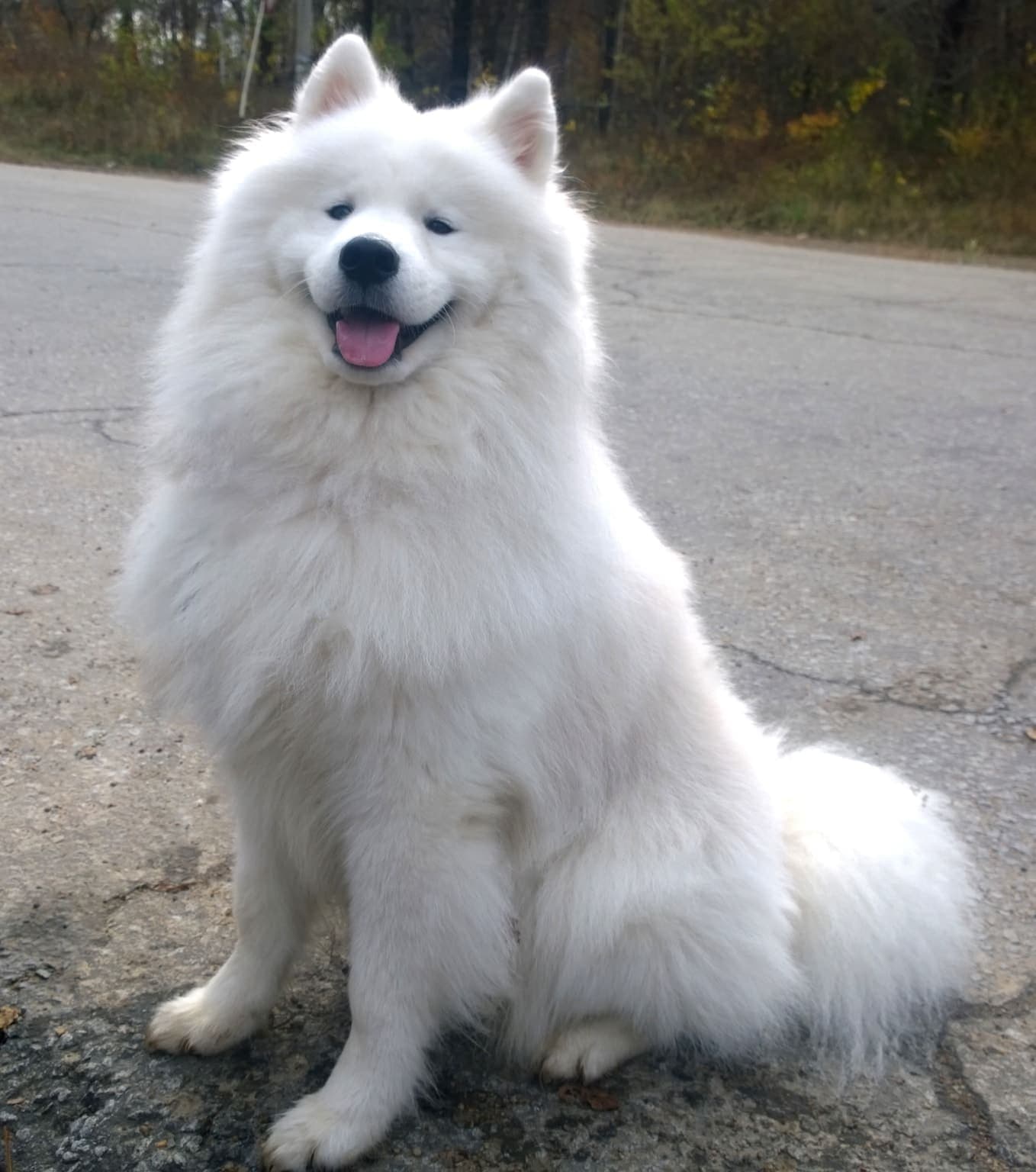
- A Samoyed is pure white or biscuit with a stand-off coat, dark eyes and black lips whose upturned corners give the famous smile, whereas a Siberian Husky shows facial masks and often blue eyes.
- Ear set separates the two sled dogs: a Malamute's ears sit wide apart on the outer edges of the skull, while a Siberian Husky's ears are set high and close together.
Commonly mistaken for:
Side-by-side guides:
Read how the groups were built and how the model is tested in the confused dog breeds study and the testing methodology.
Similar breeds to compare
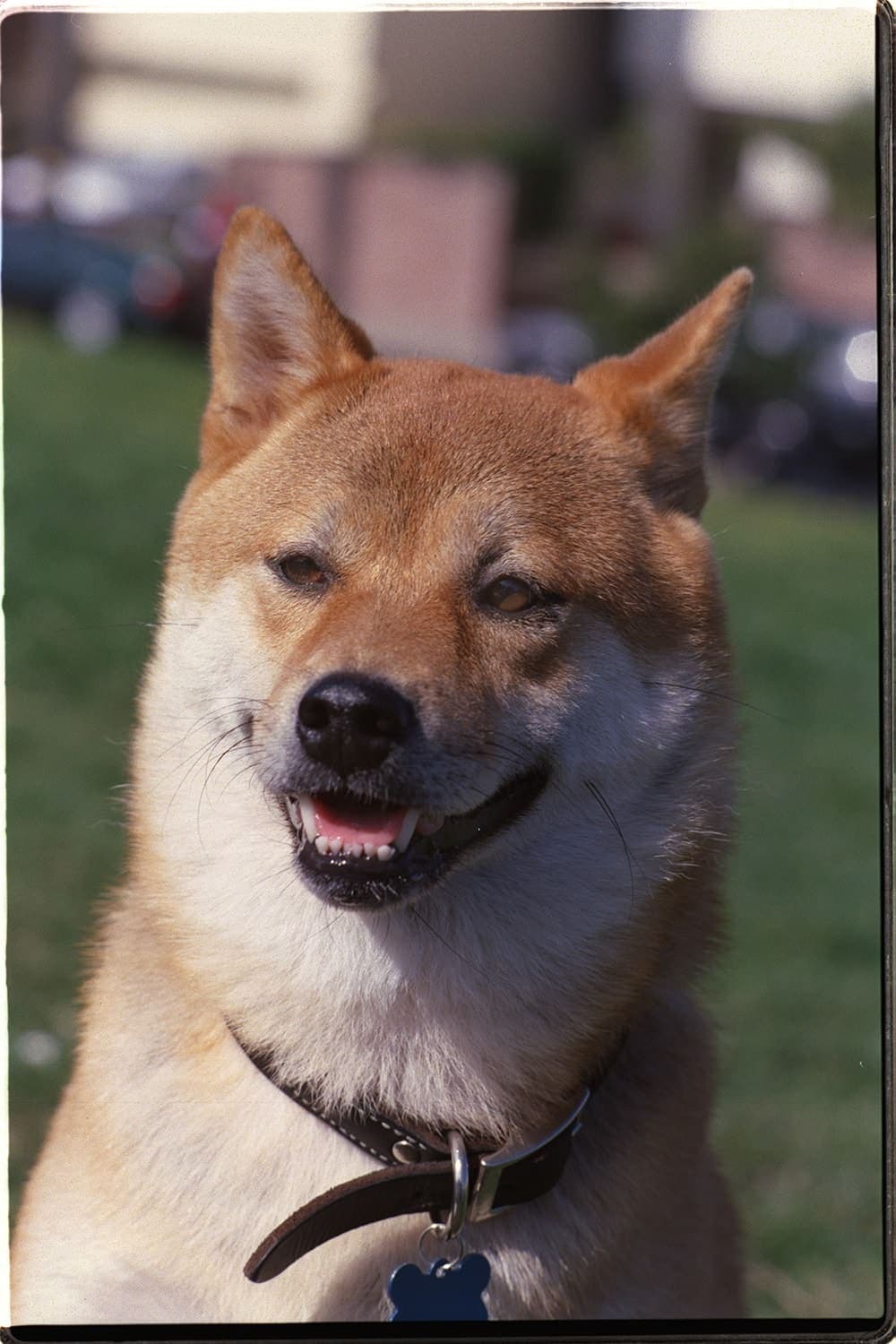
Many breeds share similar silhouettes and features. If you’re comparing AI results or deciding between breeds, it helps to read a few profiles side by side. Common look-alikes and close cousins to the Siberian Husky include Alaskan Malamute, Samoyed, Akita, Shiba Inu.
When you compare, focus on structure (muzzle length, ear set, body proportions) as much as coat color. Then confirm by looking at temperament and daily care needs.
FAQ
How big do Siberian Huskys get?
Most adult Siberian Huskys fall around 35-60 lbs and stand 20-23.5 in. Genetics, diet, and activity level all influence where an individual dog lands within that range.
How long do Siberian Huskys live?
The typical lifespan is 12-14 years. Preventive vet care, healthy weight, and consistent daily exercise are some of the biggest factors that support longevity.
What is the Siberian Husky temperament like?
Many owners describe this breed as Energetic, Independent, Friendly, Athletic. Early socialization and reward-based training help those traits show up as calm confidence at home and on walks.
How can I identify a Siberian Husky from a photo?
Upload a clear photo (ideally with the full body visible) to our dog breed identifier. Use the results as a starting point, then compare likely matches in the breed directory. If you are still asking what breed is my dog, that guide walks through ear set, muzzle, coat, and size before you upload.
Sources and further reading
This profile is reviewed against primary registry material. General care information is educational; ask a veterinarian about an individual dog's health or treatment.
- American Kennel Club: Siberian Husky: Primary registry overview for breed history, group, structure, and typical traits.
See our editorial and correction policy.