How to Identify a Chihuahua Mix: Traits, Common Crosses, and Look-Alikes
Breed Identification • By Dog Breed Detector Editorial Team • 2026-11-15
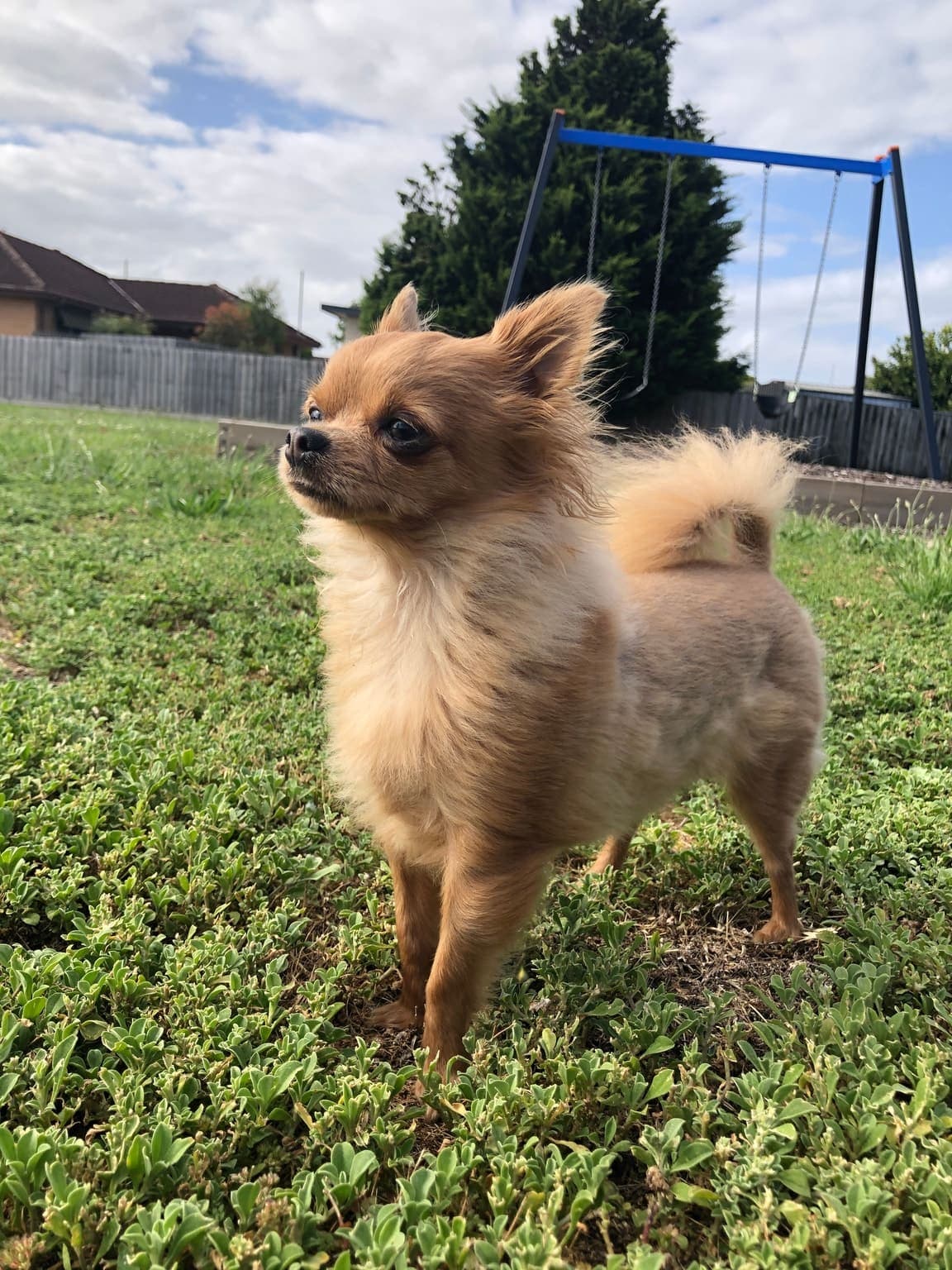
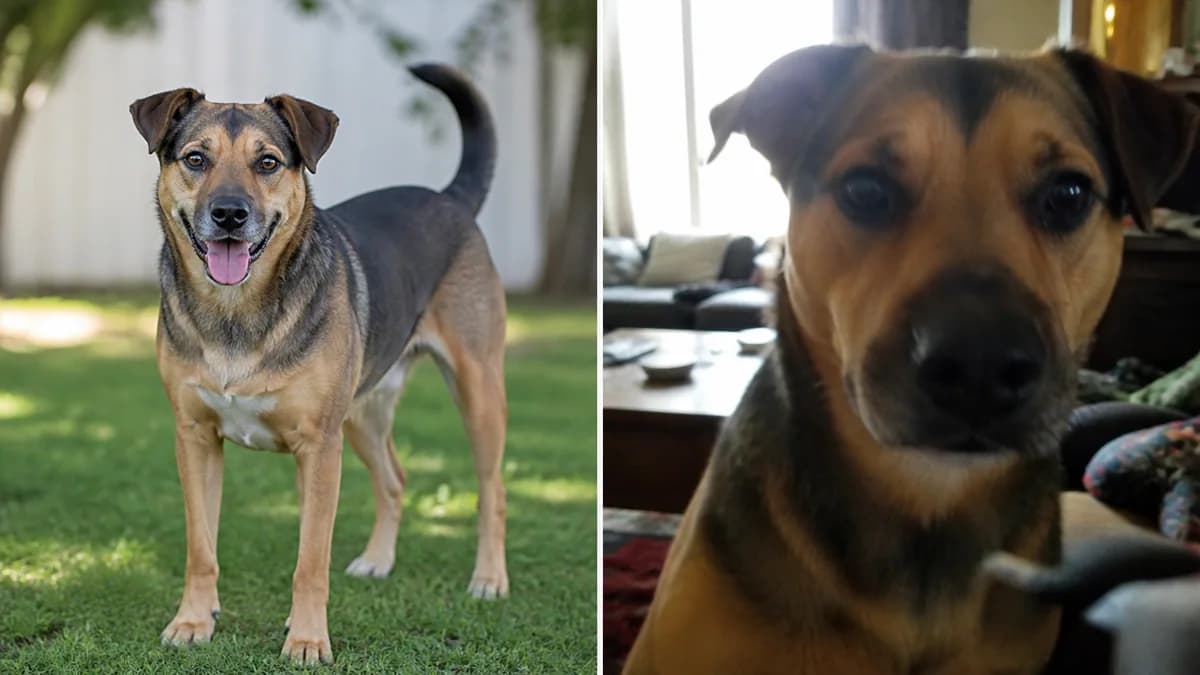
"Chihuahua mix" is the default label for a small dog with large ears and a pointed face. It is often a reasonable description of how the dog looks. It is also applied to many small dogs whose features come from terriers, toy spitz breeds, or Miniature Pinschers.
This guide covers which Chihuahua traits tend to show in crosses, which breeds are mistaken for a Chihuahua mix, how the common pairings usually look, and when a DNA test is the right tool. Keep two limits in mind. A photo shows which breeds a dog resembles, not which breeds are in its ancestry. And mixed-breed appearance is variable: puppies from the same litter can differ in size, coat, and ear carriage.
How reliable is a visual guess?
Not very. A 2018 study that DNA-tested 919 dogs at two US shelters found that fewer than 5 percent were purebred and that most carried several breeds. A small mixed-breed dog often has more than two breeds behind it, and the smallest or most familiar one tends to supply the label. Treat "Chihuahua mix" as a description of appearance until a DNA test says otherwise.
Chihuahua traits that tend to show in mixes
The purebred descriptions here follow the American Kennel Club (AKC) breed standard. In a mix, any of these traits may appear fully, partly, or not at all.
Head
The standard calls for a well-rounded "apple dome" skull, a well-defined stop that forms close to a right angle where the muzzle meets the skull, and a moderately short, slightly pointed muzzle. A rounded forehead above a short, fine muzzle is the most distinctive Chihuahua feature and often persists in a softened form. Pet Chihuahuas with flatter skulls and longer muzzles are common too, so a less domed head does not rule the breed out.
Eyes
Full, round, set well apart, and usually dark. Large round eyes in a small face are typical, but they are shared with several toy breeds.
Ears
Large and erect, held upright when the dog is alert and flaring out to the sides at about 45 degrees when it is relaxed. In mixes the ears may stand, tip over, or fold, depending on the other parent. Ears that are large for the head and set wide when relaxed are a better clue than ears that are simply upright.
Coat and color
There are two coat varieties. The smooth coat is short, close, and glossy. The long coat is soft and flat or slightly wavy, with fringed ears, feathering on the legs, and a plumed tail. The standard allows any color, solid, marked, or splashed, so color tells you nothing about whether a dog has Chihuahua ancestry.
Tail and build
The tail is moderately long and carried in a sickle shape, up or out, or looped over the back with the tip touching it. The body is slightly longer than it is tall, with a level back. The standard sets a maximum of 6 pounds for show dogs. Some pet Chihuahuas weigh more, and so do many Chihuahua mixes, so a dog of 10 or 15 pounds can still have a Chihuahua parent.
Breeds often mistaken for a Chihuahua mix
- Miniature Pinscher: A smooth-coated toy breed, commonly black and tan or red, with a narrower head, a flatter skull, and longer legs than a Chihuahua.
- Papillon: Large fringed ears and a plumed tail, like a long-coated Chihuahua, but with a finer muzzle and a coat that is always white with patches of color.
- Pomeranian: A toy spitz with a thick stand-off double coat, small ears, and a tail that lies flat over the back.
- Italian Greyhound: Fine-boned and long-legged with a long narrow head and small folded ears.
- Russell Terrier and other small terriers: Mostly white, with a longer, stronger muzzle and ears that fold forward.
Common Chihuahua crosses and how they usually look
The names in quotation marks are informal labels. None of these crosses is an AKC-recognized breed or has a written standard, and the descriptions below are tendencies reasoned from the parent breeds, not predictions for any one dog.
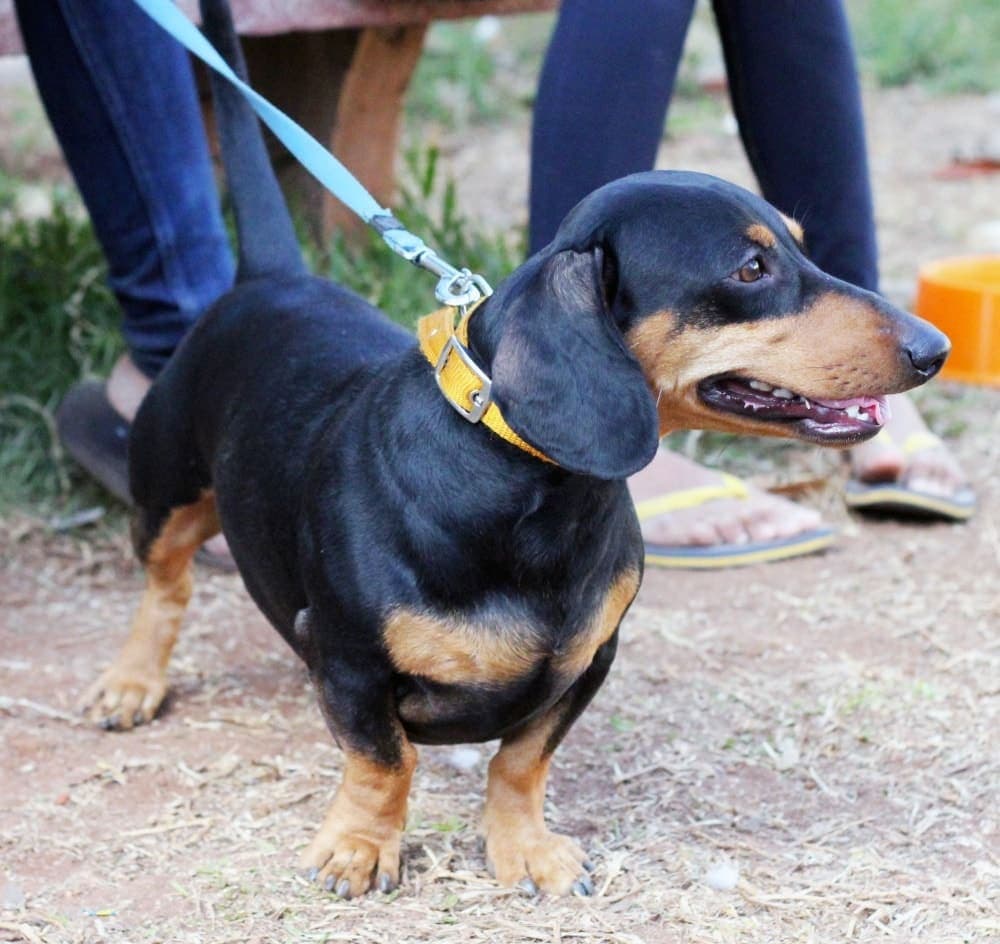
Chihuahua and Dachshund
Called a "Chiweenie." The Dachshund contributes a long body and short legs, and many of these dogs are low and long with a Chihuahua-like head. Ears can be upright, dropped, or one of each. See our Dachshund mix guide for the Dachshund side.
Chihuahua and Pomeranian
Called a "Pomchi." Often long-coated, with a fuller ruff, a plumed tail carried over the back, and a short muzzle. A long-coated Chihuahua and this cross can be very hard to tell apart in a photo.
Chihuahua and Yorkshire Terrier
Called a "Chorkie." The Yorkshire Terrier has a long, silky coat that keeps growing, in blue or black with tan. These crosses often have longer or wiry-looking hair on the face and body, in black and tan or grizzled shades, on a very small frame.
Chihuahua and Russell-type terrier
Often called a "Jack Chi." Usually a little larger and sturdier than a Chihuahua, short-coated, frequently with a lot of white, and with a longer muzzle. Ears may stand or fold forward.
Chihuahua and Pug
Called a "Chug." The Pug brings a stockier body, a shorter and broader muzzle, folded ears, and a tightly curled tail. Fawn with a dark mask is common but not certain.
Chihuahua and Miniature Pinscher
Two smooth-coated toy breeds with erect ears produce puppies that are hard to separate from either parent by eye. Leg length and head shape in between the two are the most a photo can suggest.
What a photo can and cannot tell you
A photo can show head shape, ear size and set, coat type, tail carriage, and proportions. A photo identifier compares these with reference images and returns a ranked list of breeds the dog resembles. If Chihuahua and a second breed keep appearing across several photos, that describes your dog's look well.
A photo cannot show ancestry or percentages, and it cannot show size without something for scale. That matters for this group, because size is one of the main ways small look-alike breeds differ. Our mixed breed dog identifier page explains these limits.
Small dogs are usually photographed from above, which enlarges the head and hides the legs. Get down to the dog's level, take one photo side-on while it is standing and one from the front, and use daylight. See how to identify a dog breed from a photo for more.
When a DNA test is the right tool
Choose a dog DNA test when you need an answer about ancestry, such as for a form that asks for breed or for a veterinarian who wants breed background. Read about the limits in dog DNA test accuracy first. If a description of how your dog looks is enough, a photo will do.
Care points that follow from the Chihuahua side
Looking like a Chihuahua does not mean behaving like one. These points apply to most very small dogs and are worth planning for.
- Teeth. Small mouths collect tartar quickly. Ask your veterinarian about home tooth brushing and dental checks.
- Cold. Very small, short-coated dogs lose heat fast. A coat or sweater in cold weather is practical, not decorative.
- Handling. A small dog is easily hurt by a fall or rough play. Supervise young children and larger dogs, and many owners prefer a harness to a collar for walks.
- Socialization and training. The AKC describes the Chihuahua as alert and confident. Small dogs benefit from the same early socialization and training as large ones.
- Weight. Small amounts of extra food add up quickly on a small frame. Measure meals.
Frequently asked questions
My small dog has big upright ears. Is it a Chihuahua mix?
Possibly, but upright ears are also found in Miniature Pinschers, Papillons, small terriers, and toy spitz breeds. Look at the skull shape, the stop, and the muzzle as well.
How big will a Chihuahua mix get?
Adult size usually falls between the two parents but is not predictable for an individual dog, and the second parent is often unknown. Many Chihuahua mixes are heavier than the 6-pound limit in the Chihuahua show standard.
Is there a "deer head" Chihuahua breed?
No. "Deer head" is an informal term for Chihuahuas with a flatter skull and longer muzzle than the standard describes. It is not a separate breed or an AKC variety, and it does not by itself mean a dog is mixed.
Is a Chiweenie a breed?
No. It is a cross between a Chihuahua and a Dachshund. It is not recognized by the AKC, and size, coat, and ear carriage vary from dog to dog.
Sources
- American Kennel Club, Official Standard of the Chihuahua: https://images.akc.org/pdf/breeds/standards/Chihuahua.pdf
- American Kennel Club, Chihuahua: https://www.akc.org/dog-breeds/chihuahua/
- Gunter, Barber, and Wynne, "A canine identity crisis: Genetic breed heritage testing of shelter dogs," PLOS ONE, 2018: https://journals.plos.org/plosone/article?id=10.1371/journal.pone.0202633