Is My Dog a German Shepherd Mix? Visual Signs, Common Crosses, and Look-Alikes
Breed Identification • By Dog Breed Detector Editorial Team • 2026-09-02
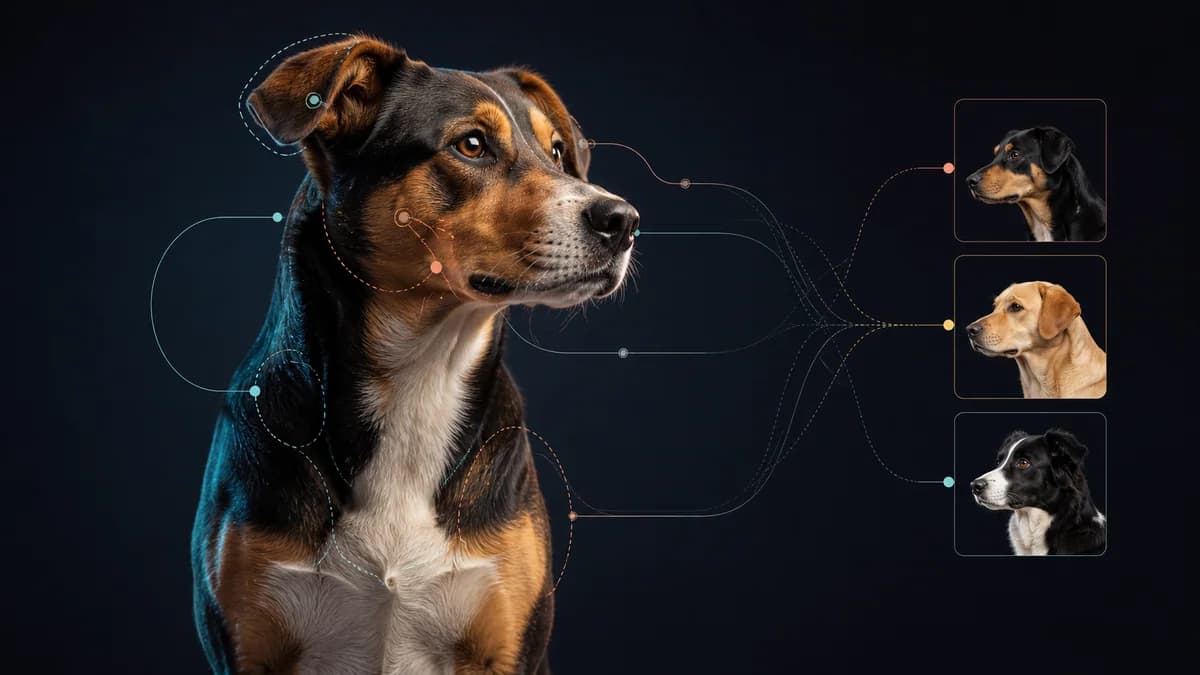
"Shepherd mix" might be the most common label on a shelter kennel card. It gets applied to almost any medium or large dog with ears that stand up and a coat that leans black and tan. Sometimes that label is a good visual read. Often it is a guess based on two features that show up across dozens of breeds and crosses.
This guide walks through what a German Shepherd look actually consists of, which of those traits tend to survive in a mix, which breeds get mistaken for a Shepherd cross, and how the most common pairings usually appear. One thing to keep in mind throughout: everything here is about visual resemblance. A photo can tell you which breeds your dog looks like. It cannot tell you what breeds are in your dog. Those are different questions, and only one of them can be answered with a camera.
Why "Shepherd mix" is such a common label
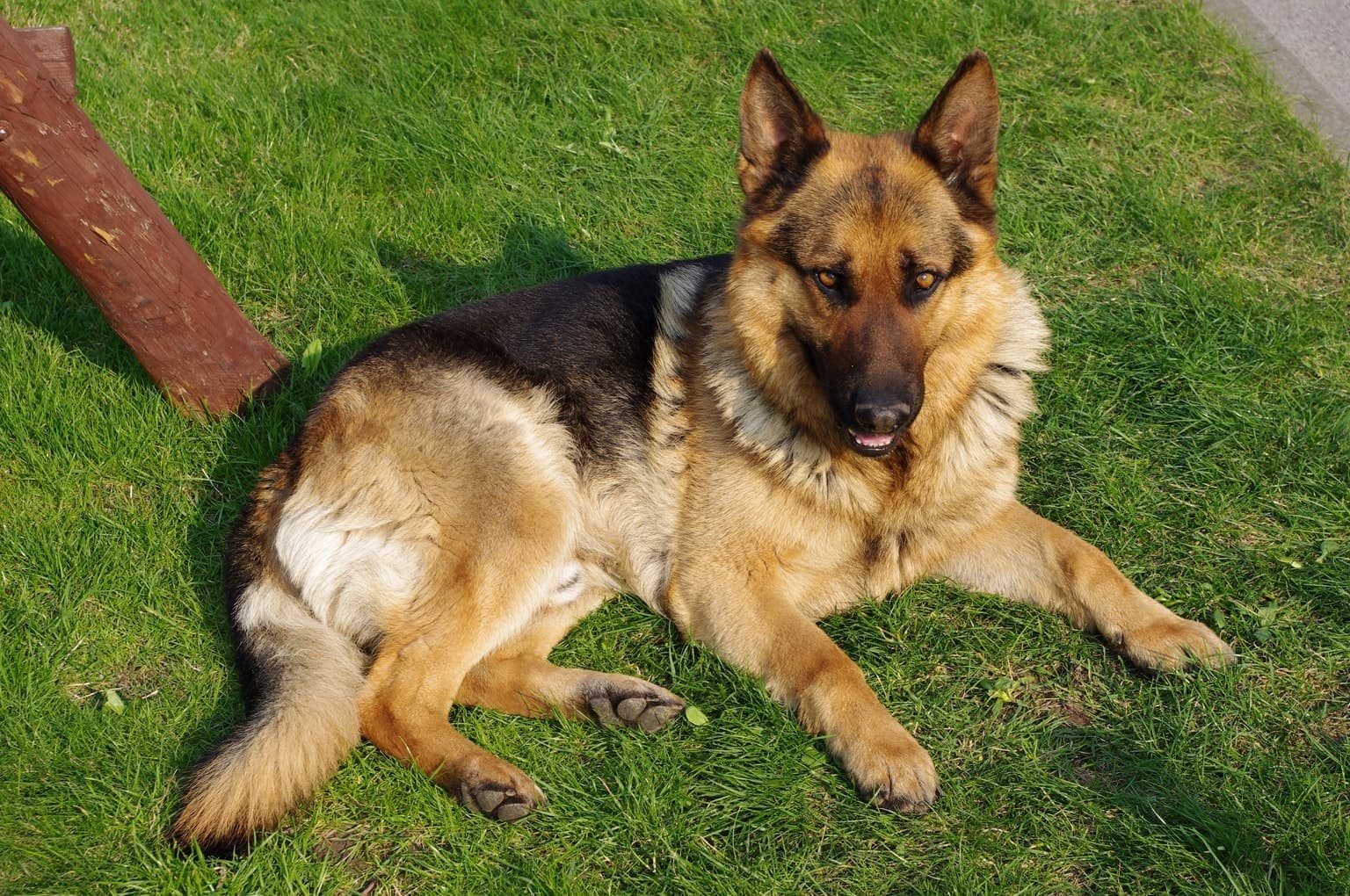
The German Shepherd Dog is one of the most recognizable breeds in the world, which means its two most obvious features have become shorthand for the whole breed. Upright triangular ears and a dark saddle over a tan body read as "Shepherd" to most people instantly.
The problem is that neither feature is unique. Erect ears appear in huskies, cattle dogs, kelpies, Malinois, spitz types, and plenty of mixed-breed dogs whose ears simply stood up on their own. Black-and-tan coloring, with or without a saddle, appears in Rottweilers, Dobermans, some hounds, many terriers, and a long list of mixes. When a dog carries both features together, the label writes itself, even if the dog's head, body, and movement look nothing like a Shepherd.
Popularity plays a role too. People tend to guess breeds they see often, and the German Shepherd is everywhere: on the news, in films, on police vehicles. A familiar name is easier to reach for than "possibly some kind of spitz or herding cross," which is often the more honest description.
The Shepherd traits that persist in mixes
When a dog has a German Shepherd parent or grandparent, certain structural features tend to carry through more reliably than color does. These are the ones worth looking for in a photo.
Ear set and shape
Adult Shepherd ears are large, set high, and stand fully erect with a broad base and a pointed tip. They face forward when the dog is alert. In mixes, ears frequently end up somewhere in between: one up and one down, both semi-erect with tips that fold, or ears that stand but sit wider on the skull than a Shepherd's. Fully upright ears on a mixed dog are a real clue, but they are also the most overrated one, because so many other breeds contribute the same thing.
Head and muzzle
The German Shepherd head is a long, clean wedge. The skull and muzzle are close to the same length, the stop between them is moderate rather than abrupt, and the muzzle is strong without being blocky. In crosses, this often shows up as a longer muzzle than the other parent breed would produce on its own. A Lab cross with a noticeably longer, narrower muzzle than a typical Lab, for example, is showing you something.
Sloping topline
This is one of the more distinctive features and one of the more likely to persist. A German Shepherd's back slopes from the shoulders down toward the tail, with deeply angled hindquarters. Many mixes keep a version of this: a slight downhill line from withers to croup, or hind legs that are angled further under the body than the front legs would suggest. You can only see this in a standing side profile, which is why that photo matters so much.
Tail carriage
Shepherds carry a long, bushy tail low, with a slight curve, hanging like a sabre. When the dog is excited it may rise, but it rarely curls tightly over the back. A dog with upright ears and a tail that curls over its back is more likely showing you spitz or husky influence than Shepherd influence. This single feature separates a lot of "Shepherd mixes" from what they actually resemble.
Coat
The standard German Shepherd coat is a dense, medium-length double coat with a harsh outer layer. Long-coated Shepherds exist as well. The classic saddle pattern, with a black blanket over the back and tan on the legs, chest, and face, is the most famous look, but Shepherds also come in solid black, sable (each hair banded with several colors), and bicolor. Sable is worth knowing about because a sable Shepherd mix often gets guessed as a husky or wolf-like dog when the grizzled coat hides the outline.
Which traits mislead
Color is the least reliable of everything above. A black-and-tan coat is shared by too many breeds to count as evidence on its own. Ears come second: they are a genuine clue, but a weak one. The head shape, the topline, and the tail carriage are what separate a dog that really resembles a Shepherd from a dog that just borrowed its color scheme.
Breeds most often mistaken for a Shepherd mix
Before assuming a mix, it helps to rule out purebreds and other crosses that carry the same first impression.
- Belgian Malinois: The most common confusion by far. A Malinois has the same erect ears and wedge head, but stands square and level-backed on a lighter, more angular frame, and usually wears a clear fawn coat with a black mask rather than a saddle. Our German Shepherd vs Belgian Malinois comparison goes through the differences feature by feature.
- Belgian Sheepdog and Tervuren: Long-coated relatives of the Malinois. The Belgian Sheepdog is solid black; the Tervuren is fawn to mahogany with black tipping. Either can be called a "long-haired Shepherd mix" at a glance.
- Dutch Shepherd: Always brindle, with dark streaks over a gold or silver base. The brindle is the giveaway once you know to look for it.
- Australian Cattle Dog: Upright ears and a working-dog outline, but shorter, stockier, and wearing a speckled blue or red coat that no Shepherd has.
- Siberian Husky and Alaskan Malamute: Erect ears and a wolfish look, but with a tail that curls over the back, a shorter and broader muzzle, and often a distinct facial mask.
- Black-and-tan mixes of any kind: Rottweiler, Doberman, hound, and terrier crosses all produce the color pattern without any of the structure.
These groups are exactly why a ranked shortlist from a photo tool can look uncertain. Our research on commonly confused dog breeds explains which look-alike groups cause the most trouble and why.
Common German Shepherd crosses and how they usually look
There is no rulebook for how a cross will turn out. Two puppies from the same litter can look like different breeds. What follows describes tendencies people report often, not guarantees, and every one of these descriptions is about appearance rather than ancestry.
Shepherd and Husky
Often called a "Gerberian Shepsky" in casual use. These dogs commonly keep the Shepherd's longer muzzle and larger frame while picking up the Husky's facial mask, lighter eyes, and a tail that carries higher or curls. The coat is often thick and grizzled, with sable or wolf-grey shading. The topline is usually flatter than a Shepherd's. Because both parents have upright ears, the ears almost always stand.
Shepherd and Labrador
The Labrador Retriever tends to soften everything. Ears often end up semi-erect or folded, the muzzle becomes broader and shorter, and the body reads thicker through the chest with a level back. Coat is usually shorter than a Shepherd's, and solid black is common, which sends the guess toward "black Lab mix" instead. A Shepherd-and-Lab dog with one ear up and one ear down is a familiar sight in shelters.
Shepherd and Golden Retriever
Expect feathering. The Golden Retriever contributes a longer, softer coat with fringing on the legs and tail, and a friendlier, rounder head. Ears are more often dropped or tipped than fully erect. Colors range from golden through red to black-and-tan with feathering, and that last version is the one most often labeled a "long-haired Shepherd mix."
Shepherd and Rottweiler
The Rottweiler adds bulk. These dogs commonly show a broader skull, a heavier chest, and a shorter, denser coat, while keeping the Shepherd's longer legs and sometimes a hint of its sloping back. Ears usually fold rather than stand. Both parents can carry black-and-tan, so the color is not a clue in either direction, but the tan on a Rottweiler-type dog tends to appear as clean, defined points on the cheeks, chest, and legs rather than a blended saddle.
Shepherd and Cattle Dog
A cross with an Australian Cattle Dog is often medium-sized, compact, and very alert. Ears are almost always upright and may sit wider apart. The coat is frequently the most useful clue: speckling, ticking, or a mottled pattern through the body suggests heeler influence, and a black mask or eye patch on a speckled body is a common combination. The topline is usually level.
Shepherd and Collie types
Crosses with a Border Collie, Australian Shepherd, or Rough Collie tend to be lighter-built with a finer head and a longer, softer coat. White markings are the tell: a white collar, blaze, chest, or socks strongly suggests collie-type influence, since German Shepherds rarely carry white. Merle patterning points the same way. Ears are usually semi-erect or tipped.
A photo checklist for Shepherd look-alikes
Photo tools work with what they can see, and the traits that matter most for this group are all structural. A few specific shots make a real difference.
- A standing side profile. This is the single most important photo. It shows the topline, the angle of the hindquarters, the depth of the chest, and how the tail hangs. A dog lying down or sitting hides all four.
- Ears from the front. A straight-on head shot at the dog's eye level shows ear set, ear size, and how the ears sit on the skull. Take it when the dog is alert, since relaxed ears often sit differently.
- A full-body shot for proportions. Step back far enough that the whole dog fits with room to spare. Leg length relative to body depth is easy to misjudge in a tight crop, and wide phone lenses distort anything close to the camera.
- Natural light, plain background. Coat texture and color banding show up in daylight and disappear under indoor lighting. A busy background makes the outline harder to read.
- The tail, deliberately. If the tail curls over the back or hangs like a sabre, make sure at least one photo shows it clearly.
If you have several photos, upload the best two or three and compare the results rather than relying on one. For a general walkthrough, see our guide on how to identify a dog breed from a photo.
Reading a ranked shortlist when Shepherd and Malinois tie
A photo identifier returns a ranked list of breeds your dog visually resembles. For dogs in this group, the top two results are very often German Shepherd and Belgian Malinois with scores close together. That is not the tool failing. It is the tool accurately reporting that the two breeds share almost every feature a camera can capture.
When that happens, use the tie as a prompt to check the traits the model may not have had a clear view of. Look at the topline in your side profile: sloping suggests the Shepherd side, level suggests the Malinois. Look at the coat: a saddle or sable pattern leans Shepherd, a uniform fawn with a black mask leans Malinois. Look at the frame: heavier and longer leans Shepherd, lighter and squarer leans Malinois.
Then read the rest of the shortlist. If a Husky, Cattle Dog, or collie type appears in the third or fourth spot, that is useful information about which cross your dog most resembles. The list is a set of visual clues to reason from, not a verdict on what your dog is.
Dogs in this category are a good example of why we built a dedicated mixed breed dog identifier page that spells out what a photo can and cannot tell you.
When DNA testing is worth it
A photo can only ever tell you what your dog looks like. If the question you actually want answered is what your dog is made of, the honest answer is that only a dog DNA test can address that, and even those have limits, which we cover in our piece on dog DNA test accuracy.
Testing tends to be worth the cost when the answer changes a decision: housing or insurance rules that name specific breeds, a veterinarian who wants breed context for a health concern, or a training plan you want to build around likely instincts. It is also reasonable to test simply because you are curious. If the visual answer is enough for you, there is nothing wrong with stopping at "looks like a Shepherd cross" and enjoying your dog.
Temperament, exercise, and training expectations
Here the careful language matters. Looking like a Shepherd does not mean behaving like one, and even a dog with a confirmed Shepherd parent may take after the other side entirely. Breed tendencies describe groups of dogs on average; your individual dog is the only data point that counts.
That said, if your dog resembles a Shepherd cross, it is sensible to prepare for the possibility of Shepherd-type traits and adjust as you learn who your dog is. German Shepherds are generally described as loyal, watchful, and highly trainable, with a strong need for both physical exercise and mental work. Dogs from herding and working lines often do well with daily structured activity, a job of some kind, and consistent training that channels their focus. Many are reserved with strangers and bond closely with their household, which makes early and ongoing socialization worthwhile.
If the other likely parent breed is a Husky, expect the possibility of more independence and a strong urge to run. If it is a retriever, you may see a softer, more sociable dog. If it is a Cattle Dog or collie type, watch for herding instincts like nipping at heels or fixating on movement. None of these is certain. They are things to notice, not things to assume.
The practical approach is the same regardless of what a photo suggests: give a medium or large active dog enough exercise, teach calm behavior alongside the energetic stuff, brush regularly because most of these dogs shed heavily, and keep an eye on weight and joints as they mature.
Bottom line
The Shepherd look is mostly about structure: a long wedge head, a sloping back, angled hindquarters, and a low sabre tail. Upright ears and a black-and-tan coat are the features people notice first and the ones that mislead most often. Check the tail and the topline before you accept the label.
If you are still asking yourself what breed is my dog, upload a clear side profile and a front-on head shot and read the ranked results as a set of visual matches to compare, not as a statement of ancestry. Then, if the answer really matters, let a DNA test do the part a camera cannot.
Frequently asked questions
Can a photo tool tell me what percentage German Shepherd my dog is?
No. A photo identifier compares your dog's appearance to reference images and ranks the breeds it most resembles. It has no way to see genetics, so it cannot report ancestry, breed combinations, or any kind of percentage. Only a DNA test attempts that, and DNA results carry their own limits.
My dog has one ear up and one ear down. Does that mean Shepherd mix?
Not by itself. Mismatched ears are common in crosses between a prick-eared breed and a drop-eared breed, and the prick-eared side could be a Shepherd, a Husky, a Cattle Dog, a spitz type, or something else. Look at the head shape, topline, and tail before drawing a conclusion.
Why does the identifier rank German Shepherd and Belgian Malinois so close together?
Because the two breeds share almost every visible feature: size, ear set, head shape, and a fawn-and-black coat. The differences are a sloping back versus a level one, a saddle or sable coat versus a clear fawn with a black mask, and a heavier versus a lighter frame. A standing side profile usually helps the model separate them.
Is a "Shepherd mix" from a shelter likely to actually have Shepherd in it?
Sometimes yes, sometimes no. Shelter labels are visual guesses made quickly, and they lean toward familiar breed names. Treat the label as a description of how the dog looks rather than a statement about its parents. If it matters to you, a DNA test is the only way to check.