How to Identify a Yorkie Mix: Coat, Color, Common Crosses, and Look-Alikes
Breed Identification • By Dog Breed Detector Editorial Team • 2026-11-18
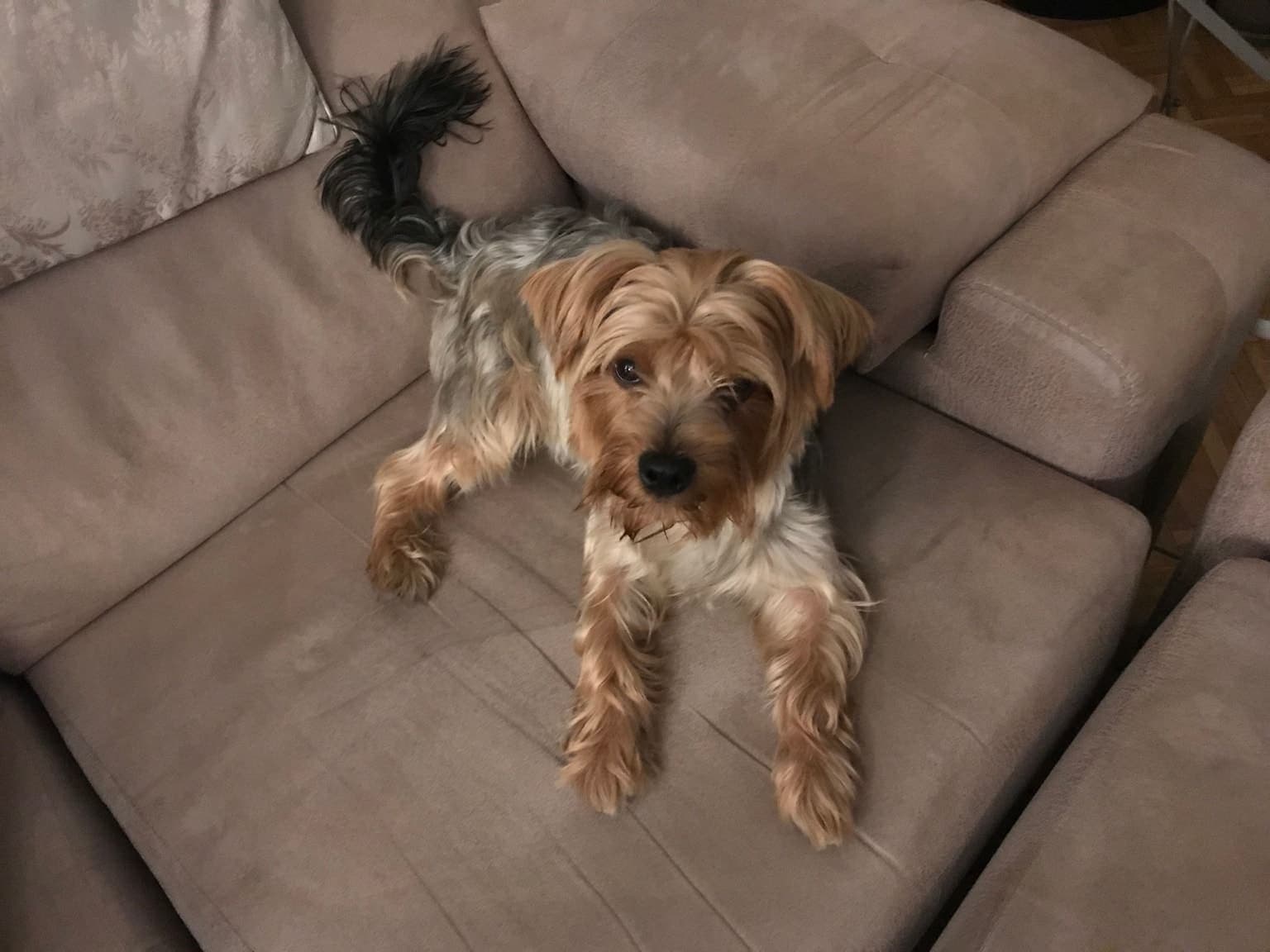
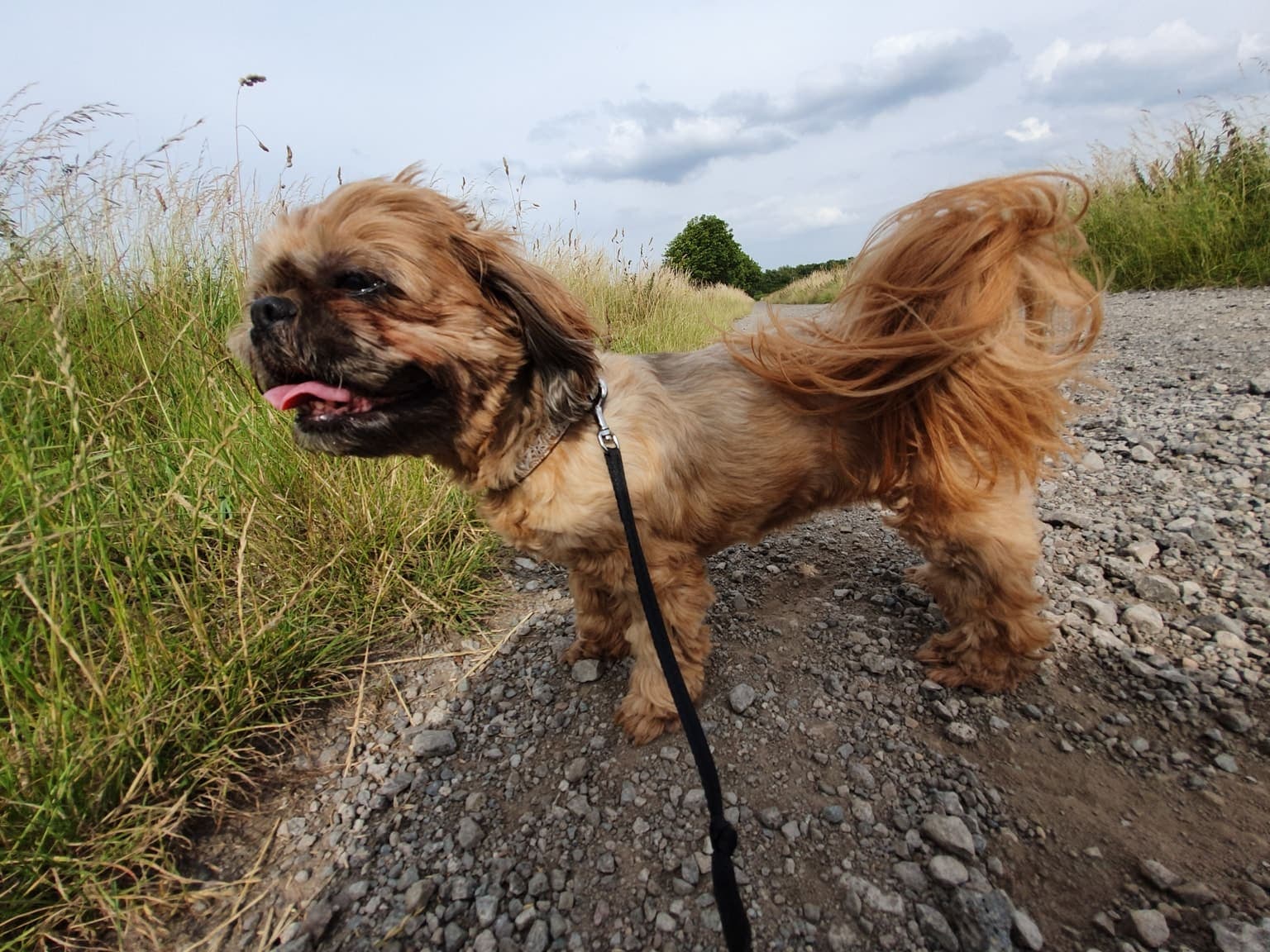
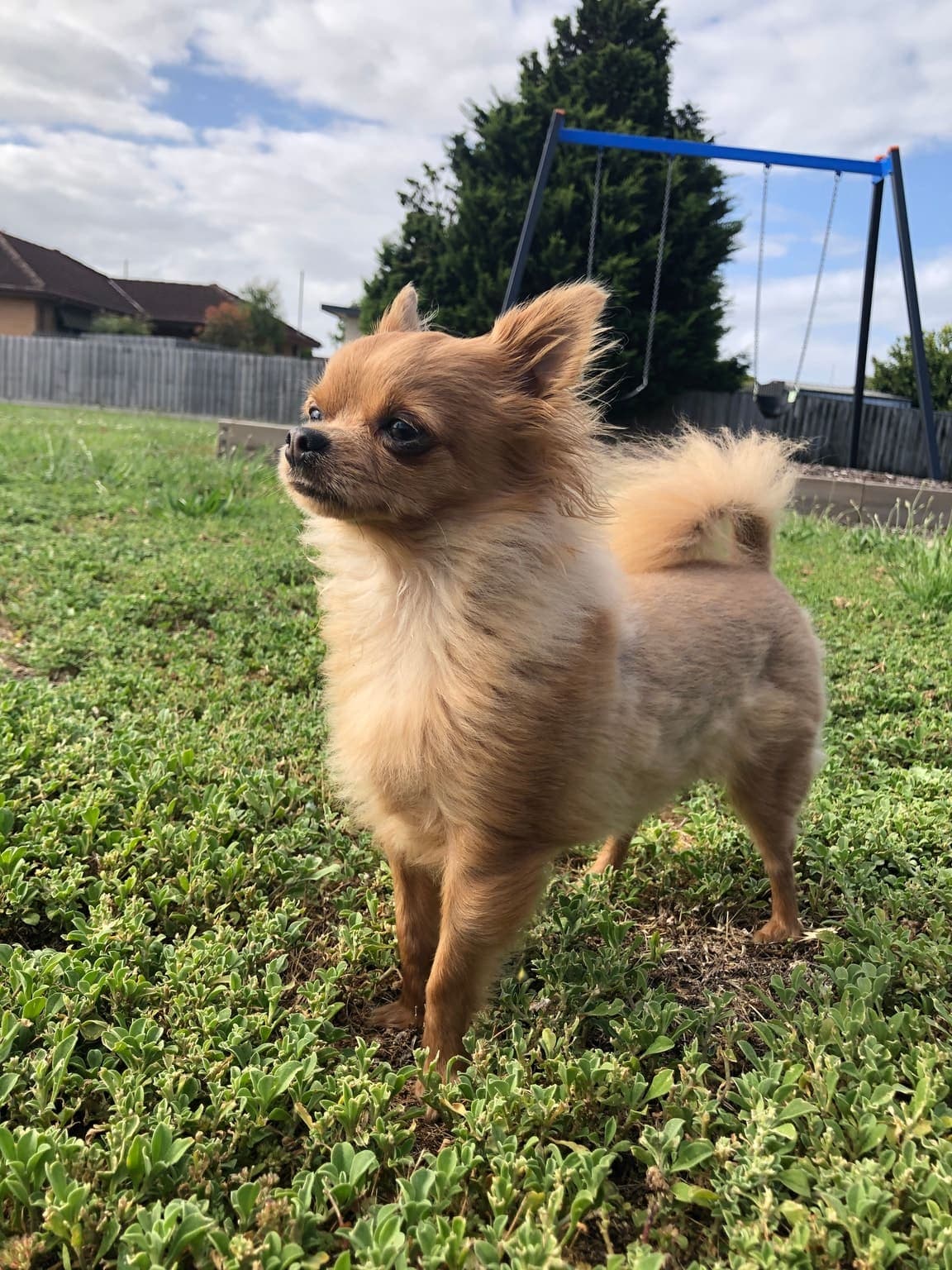
"Yorkie mix" is the usual label for a very small dog with a fine, silky coat that is dark on the body and tan on the head and legs. The label is often reasonable. It is also given to other small terriers with the same colors, and many Yorkshire Terrier crosses take their coat and color from the other parent and are never recognized as Yorkie mixes at all.
This guide covers which Yorkshire Terrier traits tend to show in crosses, which breeds are mistaken for a Yorkie mix, how the common pairings usually look, and when a DNA test is the right tool. Two limits apply throughout. A photo shows which breeds a dog resembles, not which breeds are in its ancestry. And mixed-breed appearance varies widely, even among littermates, so identifying a mix by eye is unreliable.
How reliable is a visual guess?
It is right about part of the picture more often than the whole. A 2018 study in PLOS ONE compared shelter staff's breed labels with DNA results at a San Diego shelter: staff named at least one breed the DNA test also found in 67.7 percent of dogs, and matched both the primary and secondary breed in 10.4 percent. Of the 919 dogs tested across two shelters, 4.9 percent were purebred. Treat "Yorkie mix" as a description of appearance until a DNA test supports it.
Yorkshire Terrier traits that tend to show in mixes
The purebred descriptions here follow the American Kennel Club (AKC) breed standard. In a mix, each trait may appear fully, partly, or not at all.
Coat texture
The standard puts coat first. The hair is glossy, fine, and silky, and on the body it is moderately long and perfectly straight, not wavy. The AKC describes it as very similar to human hair. In crosses, a fine, silky, straight coat is the trait most often credited to the Yorkie side. Like any long coat, it is usually clipped on pet dogs, so length in a photo reflects grooming.
Color
Adult Yorkshire Terriers are blue and tan: a dark steel-blue from the back of the neck to the root of the tail, with rich tan on the head, chest, and legs. Puppies are born black and tan and lighten as they mature, so a young dog's color is not its adult color. A cross may keep the dark-body, tan-points pattern or lose it entirely.
Head and ears
The head is small and rather flat on top, with a muzzle that is not too long and a black nose. The ears are small, V-shaped, carried erect, and set not too far apart. Small upright ears on a silky-coated dog are a useful clue, but in a cross they may tip or hang.
Size and body
The body is compact with a level back, and the standard sets a weight limit of seven pounds. The AKC lists a height of 7 to 8 inches. A cross is usually larger than that unless the other parent is also a toy breed.
Tail
The standard describes a tail docked to a medium length and carried slightly higher than the level of the back. A mixed-breed dog will usually have a full-length tail, so tail length is not useful for identification.
Breeds often mistaken for a Yorkie mix
- Silky Terrier: Blue and tan with a silky, parted coat and small, erect, V-shaped ears. It is larger, at 9 to 10 inches, and its body is about one-fifth longer than its height. A dog that looks like a large Yorkie may be this breed.
- Australian Terrier: Blue and tan, or solid sandy or red, with pricked ears. The outer coat is harsh and straight, not silky, and the dog stands 10 to 11 inches.
- Cairn Terrier: Small erect ears and a shaggy outline, but with a harsh double coat in any color except white, at about 13 to 14 pounds.
- Norfolk Terrier: Close in height, at 9 to 10 inches, but heavier, at 11 to 12 pounds, with a hard, wiry coat and small dropped ears. Coat texture is the main dividing line between a Yorkie and the rough-coated terriers, and it is hard to judge from a photo.
Common Yorkie crosses and how they usually look
The names in quotation marks are informal labels. None of these crosses is an AKC-recognized breed or has a written standard, and the descriptions are tendencies reasoned from the parent breeds, not predictions for any one dog.
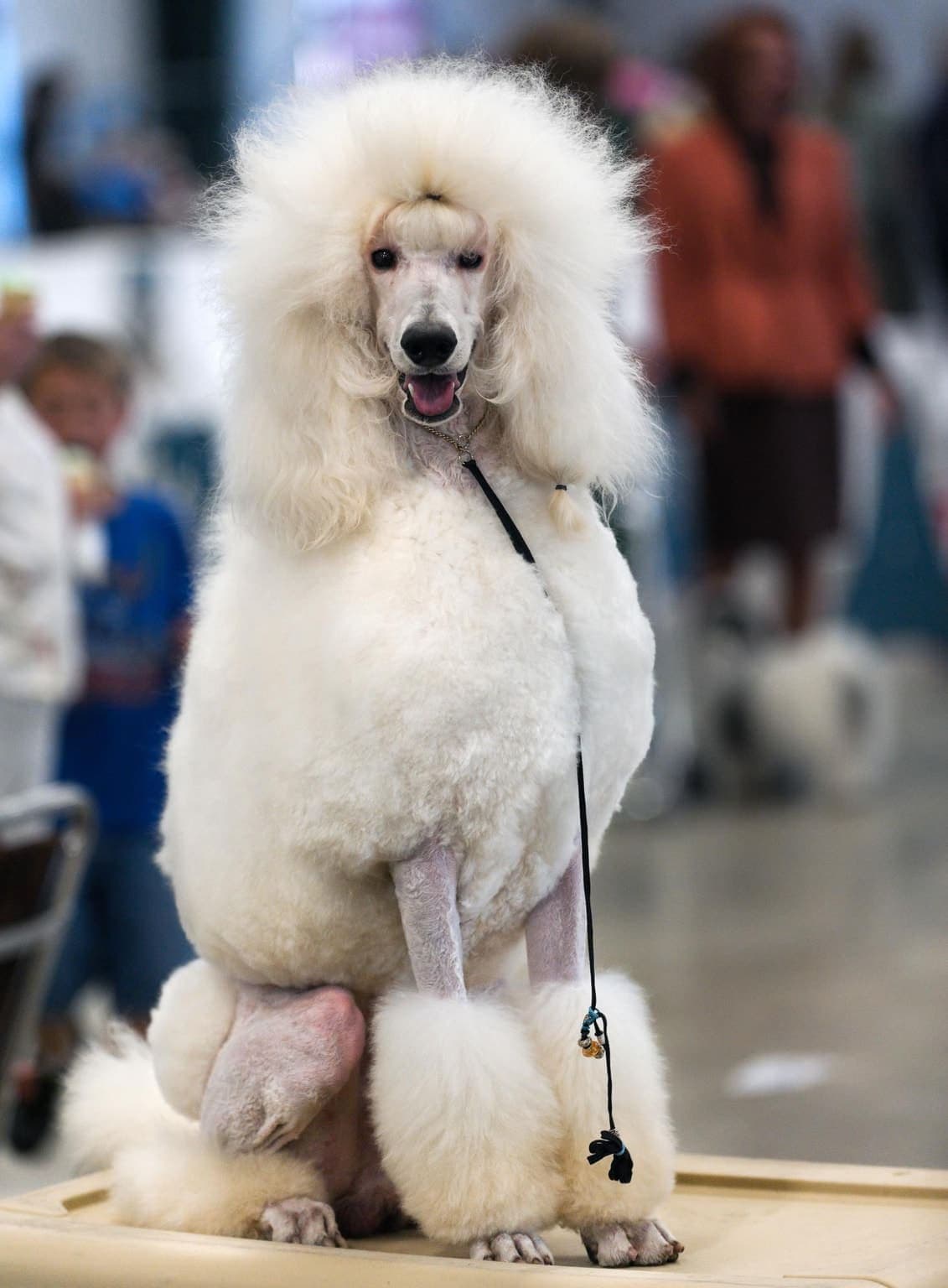
Yorkie and Poodle
Often sold as a "Yorkipoo." The Poodle has a curly, dense coat, a long, fine muzzle, and ears that hang close to the head. Crosses usually have a wavy to curly coat in a range of colors, with drop ears. See our Poodle mix guide.
Yorkie and Maltese
Sometimes called a "Morkie." The Maltese is pure white with a long, flat, silky single coat and low-set drop ears, and weighs under 7 pounds. Both parents are silky-coated toy dogs, so crosses are small and silky, in anything from mostly white to black and tan, with ears that hang or half-stand.
Yorkie and Chihuahua
Sometimes called a "Chorkie." The Chihuahua weighs no more than 6 pounds and has large erect ears and a rounded skull. Crosses are very small, usually with upright ears, and the coat can be smooth, long, or wispy. See our Chihuahua mix guide.
Yorkie and Shih Tzu
Sometimes called a "Shorkie." The Shih Tzu adds a shorter, squarer muzzle, a sturdier body, and a tail carried over the back. See our Shih Tzu mix guide.
Yorkie and Miniature Schnauzer
Sometimes called a "Snorkie." The Miniature Schnauzer stands 12 to 14 inches and has a hard, wiry outer coat in salt and pepper, black and silver, or black, with small V-shaped ears that fold close to the skull when uncropped. Crosses are usually larger than a Yorkie, with a rougher coat and folded ears.
Yorkie and Dachshund
Sometimes called a "Dorkie." The Dachshund is long in body and short of leg with rounded hanging ears, and black and tan is one of its most common colors, so color does not separate the parents. A long back and drop ears suggest the Dachshund side. See our Dachshund mix guide.
What a photo can and cannot tell you
A photo can show ear carriage, color pattern, proportions, and, in good light, coat texture. A photo identifier compares those with reference images and returns a ranked list of breeds the dog resembles. For a small silky or scruffy dog, expect Yorkshire Terrier alongside other small terriers and toy breeds. That reflects how much these breeds share.
A photo cannot show ancestry or percentages, and it cannot show size without a scale reference. Size is one of the few things that separates a Yorkshire Terrier from a Silky Terrier, so weigh your dog. Our mixed breed dog identifier page explains these limits.
The most useful photos are a standing side profile at the dog's own height and a front view of the head with the hair out of the eyes, both in daylight so the coat's color and texture are visible. See how to identify a dog breed from a photo.
When a DNA test is the right tool
Use a dog DNA test when you need to know ancestry, not resemblance. Mixed-breed dogs often have several breeds behind them, and a test is the direct way to learn which. Read dog DNA test accuracy for the limits of testing.
Care points that follow from the Yorkie side
A dog that looks like a Yorkie may not behave like one. These are things to be ready for and then adjust to the dog you have.
- Coat. The AKC says a long Yorkie coat needs daily brushing, and that the hair on the upper part of the head should be trimmed short or tied up to avoid eye irritation.
- Knees. The AKC lists luxating patella, a dislocating kneecap, among the conditions breeders screen for, and advises limiting how high a Yorkie jumps, especially as a puppy.
- Exercise. Small dogs still need it. The AKC suggests a short walk twice a day plus occasional bursts of play.
- Training. The AKC recommends praise and treats over harsh corrections, and early, calm socialization to new people, dogs, and situations.
- Health screening. The AKC says responsible breeders screen for eye anomalies and luxating patella. A mixed-breed dog's risk is not known from its looks, so mention the possible Yorkie background to your veterinarian.
Frequently asked questions
My small dog is black and tan. Is it a Yorkie mix?
Maybe. Yorkshire Terrier puppies are black and tan, and adults are blue and tan. Black with tan markings is also a standard color of the Miniature Pinscher and the Manchester Terrier and one of the most common Dachshund colors, so look at coat texture and ear carriage as well.
Why is my Yorkie mix bigger than a Yorkie?
The purebred standard sets a limit of seven pounds, and almost any other parent breed is heavier than that. A cross usually ends up between the two parents.
Can a photo tell a Yorkie mix from a Silky Terrier?
Not reliably. The two share color, coat type, and ear shape. The Silky Terrier is larger and longer in the body, which a photo without a scale reference does not show well.
Will my Yorkie mix puppy change color?
It may. Purebred Yorkshire Terriers are born black and tan and lighten to blue and tan as they mature. Whether a cross does the same depends on what it inherited.
Sources
- American Kennel Club, Official Standard of the Yorkshire Terrier: https://images.akc.org/pdf/breeds/standards/YorkshireTerrier.pdf
- American Kennel Club, Yorkshire Terrier: https://www.akc.org/dog-breeds/yorkshire-terrier/
- American Kennel Club official standards of the Silky Terrier, Australian Terrier, Cairn Terrier, Poodle, Maltese, Chihuahua, Shih Tzu, Miniature Schnauzer, Miniature Pinscher, Manchester Terrier, Norfolk Terrier, and Dachshund, linked from each breed's page at https://www.akc.org/dog-breeds/
- Gunter, Barber, and Wynne, "A canine identity crisis: Genetic breed heritage testing of shelter dogs," PLOS ONE, 2018: https://journals.plos.org/plosone/article?id=10.1371/journal.pone.0202633