How to Identify a Border Collie Mix: Traits, Common Crosses, and Look-Alikes
Breed Identification • By Dog Breed Detector Editorial Team • 2026-11-15
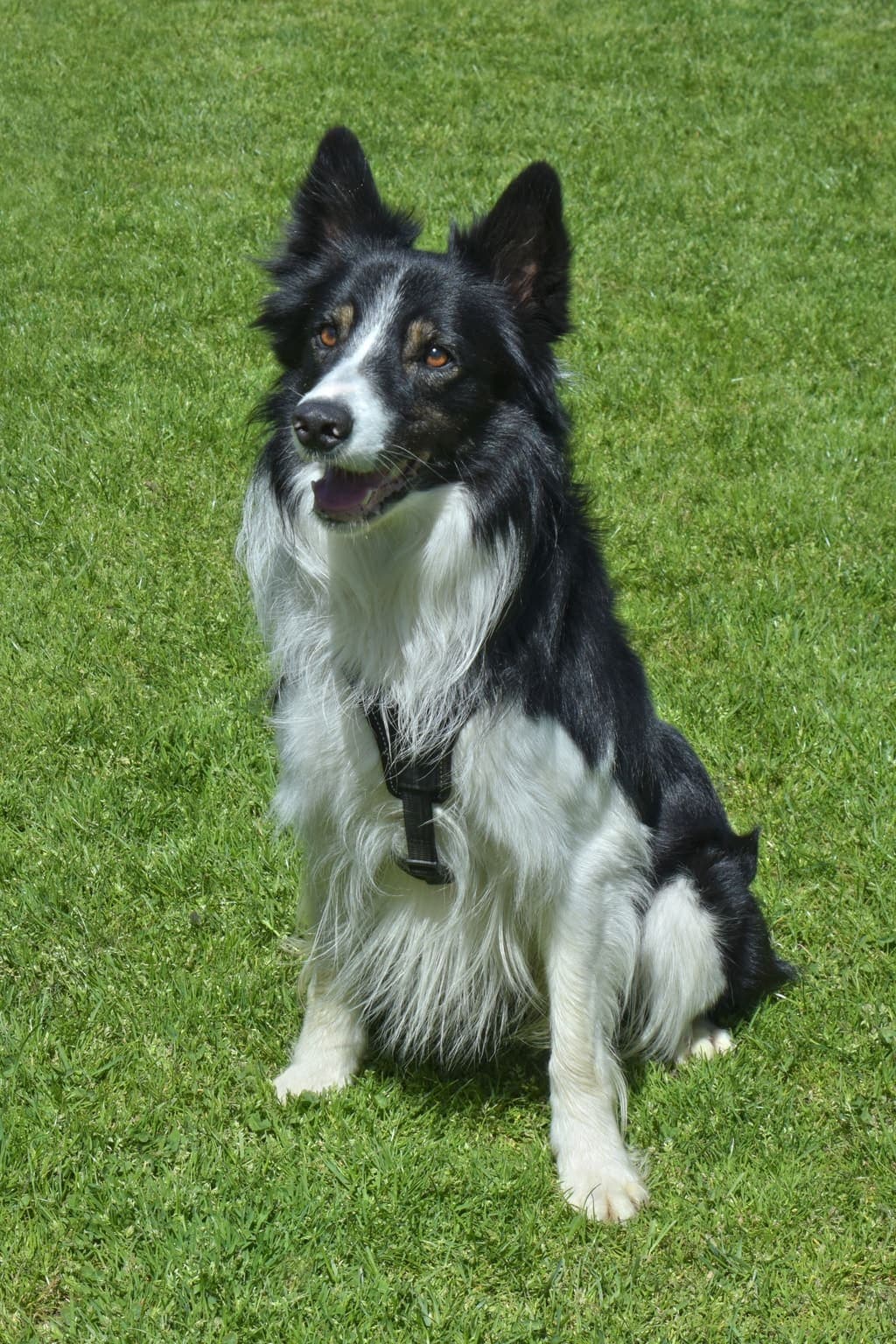
"Border Collie mix" is a common label for a medium-sized black-and-white dog with a white blaze, collar, and feet. The label often fits the dog's look. It is also applied to dogs whose markings come from other herding breeds, or from breeds that are not herding dogs at all, because that white pattern is shared by many breeds.
This guide covers which Border Collie traits tend to show in crosses, which breeds are mistaken for a Border Collie mix, how the common pairings usually look, and when a DNA test is the right tool. Two limits apply throughout. A photo shows which breeds a dog resembles, not which breeds are in its ancestry. And mixed-breed appearance is variable, even among littermates.
How reliable is a visual guess?
Visual labels for mixed-breed dogs are often incomplete. A 2018 study that DNA-tested 919 dogs at two US shelters found that fewer than 5 percent were purebred and that most carried several breeds. The Border Collie adds a difficulty of its own: the breed was developed for working ability, and the American Kennel Club (AKC) standard accepts a wide range of coats, colors, and ear carriage. There is no single Border Collie look to match a mix against.
Border Collie traits that tend to show in mixes
The purebred descriptions here follow the AKC breed standard. In a mix, each trait may appear fully, partly, or not at all.
Coat
There are two coat varieties, both double coats. The rough coat is medium length with feathering on the forelegs, haunches, chest, and underside, and short, smooth hair on the face and the front of the legs. The smooth coat is short over the whole body. Smooth-coated Border Collies and their crosses are regularly taken for something else, because most people picture the rough coat.
Color and markings
The standard accepts all colors and combinations. Black and white is the most familiar, and red and white, tricolor, sable, and merle all occur. The classic white pattern is a blaze on the face, a collar, a white chest, white feet, and a white tail tip. That same pattern appears in the Australian Shepherd, Shetland Sheepdog, Collie, both Corgis, the Bernese Mountain Dog, the Boston Terrier, and many others. On its own it is weak evidence of Border Collie ancestry.
Ears
The standard allows ears carried erect or semi-erect, with anything from a quarter to three-quarters of the ear standing and the tips falling forward or out to the side. One ear may stand and the other tip. Ears therefore do little to confirm or rule out the breed.
Eyes
Oval and set well apart. The standard accepts any eye color, though blue eyes are not preferred in dogs that are not merle. A blue eye on a black-and-white dog is at least as consistent with a Border Collie or Australian Shepherd background as with a Husky.
Head and build
The skull is fairly flat and about as long as the muzzle, with a moderate but distinct stop and a muzzle that tapers slightly. The body is a little longer than it is tall, athletic, and moderate in bone. Males stand 19 to 22 inches and females 18 to 21 inches, and the AKC lists a weight range of 30 to 55 pounds.
Tail and posture
The tail is set low and reaches at least to the hock. The standard describes it as carried low when the dog is concentrating, sometimes with an upward swirl at the end like a shepherd's crook, and not curved forward over the back. The standard also describes a characteristic crouch when the dog approaches and moves stock. A lowered head, a fixed stare, and a low tail in a dog that is watching something move are worth noting, though photos seldom capture them and other herding breeds stalk too.
Breeds often mistaken for a Border Collie mix
- Australian Shepherd: Similar size and coat. Often merle, with ears that fold over and a tail that is docked or naturally short.
- Shetland Sheepdog and Collie: A longer, narrower head and a much fuller coat. The Sheltie is small. The Collie is taller.
- Miniature American Shepherd: Resembles a small Australian Shepherd.
- English Springer Spaniel: Black or liver with white and a feathered coat, but with long, low-set hanging ears and a deeper muzzle.
- English Shepherd: A farm collie type not recognized by the AKC that closely resembles a heavier Border Collie.
- Any black-and-white mix: Many dogs with a white collar and feet have no herding ancestry at all.
Common Border Collie crosses and how they usually look
The names in quotation marks are informal labels. None of these crosses is an AKC-recognized breed or has a written standard, and the descriptions are tendencies reasoned from the parent breeds, not predictions for any one dog.
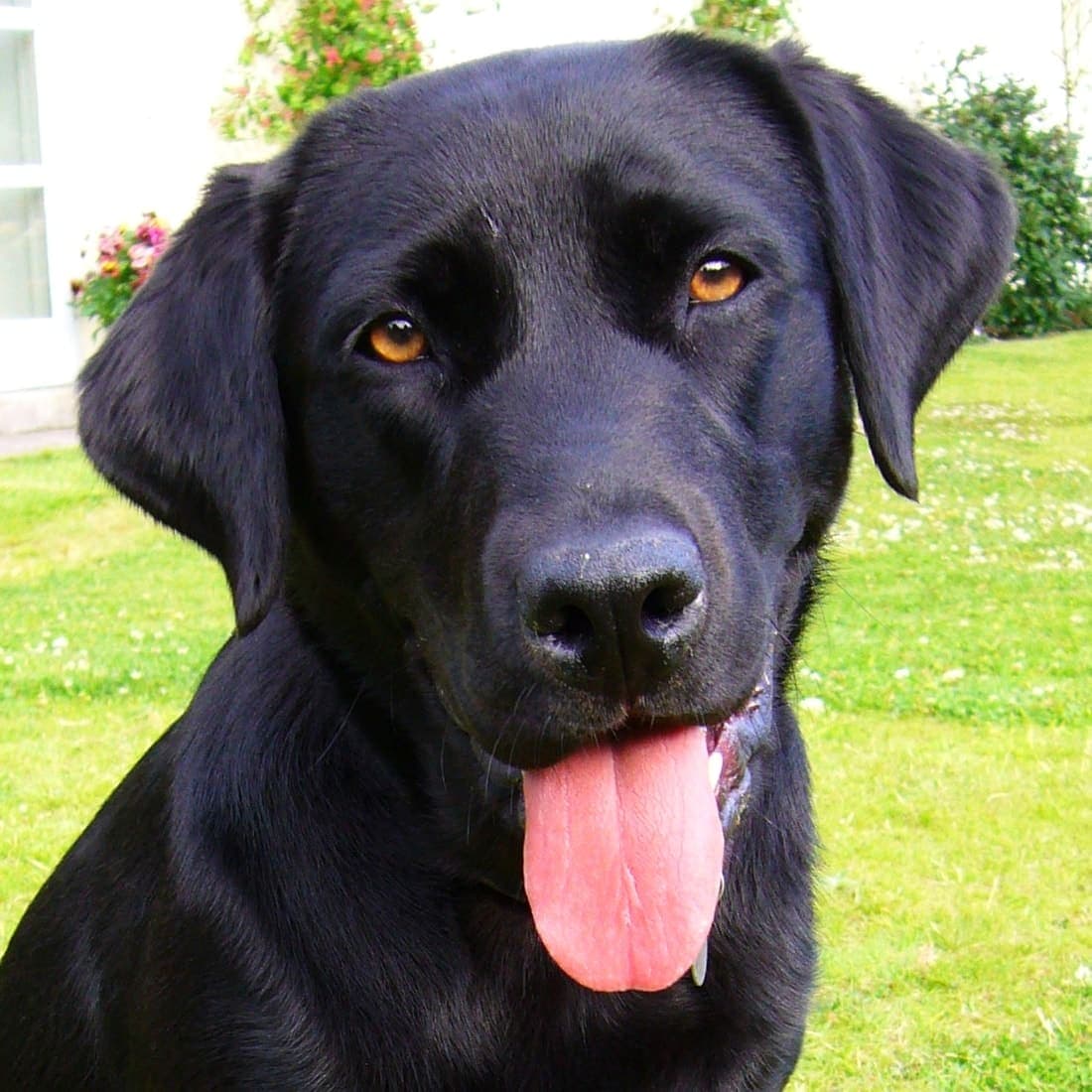
Border Collie and Labrador
Sometimes called a "Borador." The Labrador Retriever brings a broader head, drop ears, and a shorter, denser coat. A mostly black dog with a white chest and feet, a medium-length coat, and a lighter frame than a Lab's is the commonly reported look. See our Labrador mix guide.
Border Collie and Australian Shepherd
The parents are alike in size, coat, and markings, so this cross is very hard to separate from either breed by eye. Merle or a naturally short tail points toward the Australian Shepherd side.
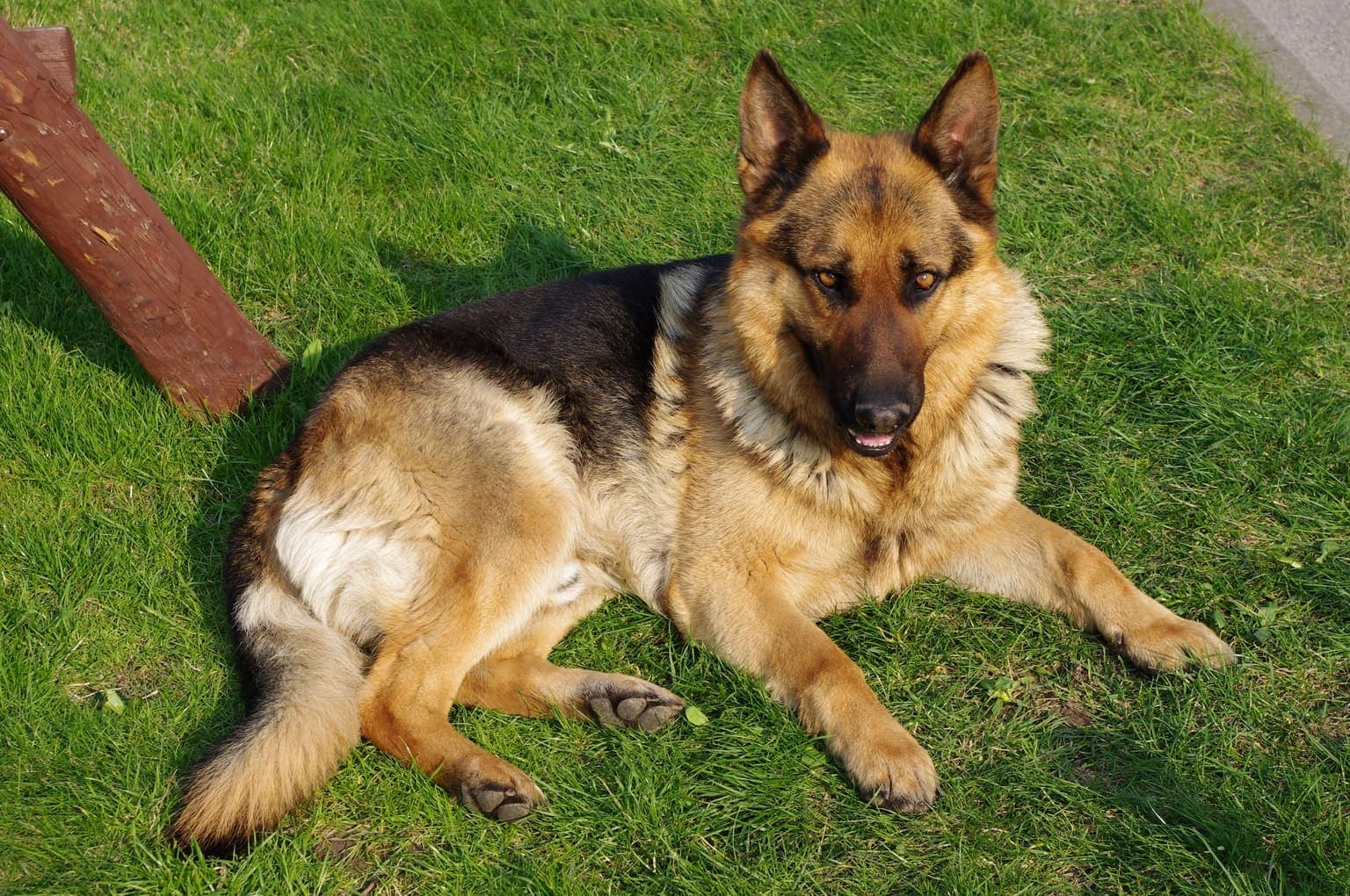
Border Collie and German Shepherd
Usually larger, with a longer muzzle, bigger ears that often stand, and black-and-tan or sable coloring, sometimes with white on the chest and feet. See our German Shepherd mix guide.
Border Collie and Golden Retriever
A feathered, medium-length coat from both sides. Many are black or gold with white markings, with drop ears and a broader head than a Border Collie's. See our Golden Retriever mix guide.
Border Collie and Australian Cattle Dog
The Australian Cattle Dog adds a stockier body, a broader skull, erect ears, and a speckled or mottled coat. Heavy ticking through the white areas is the usual clue.
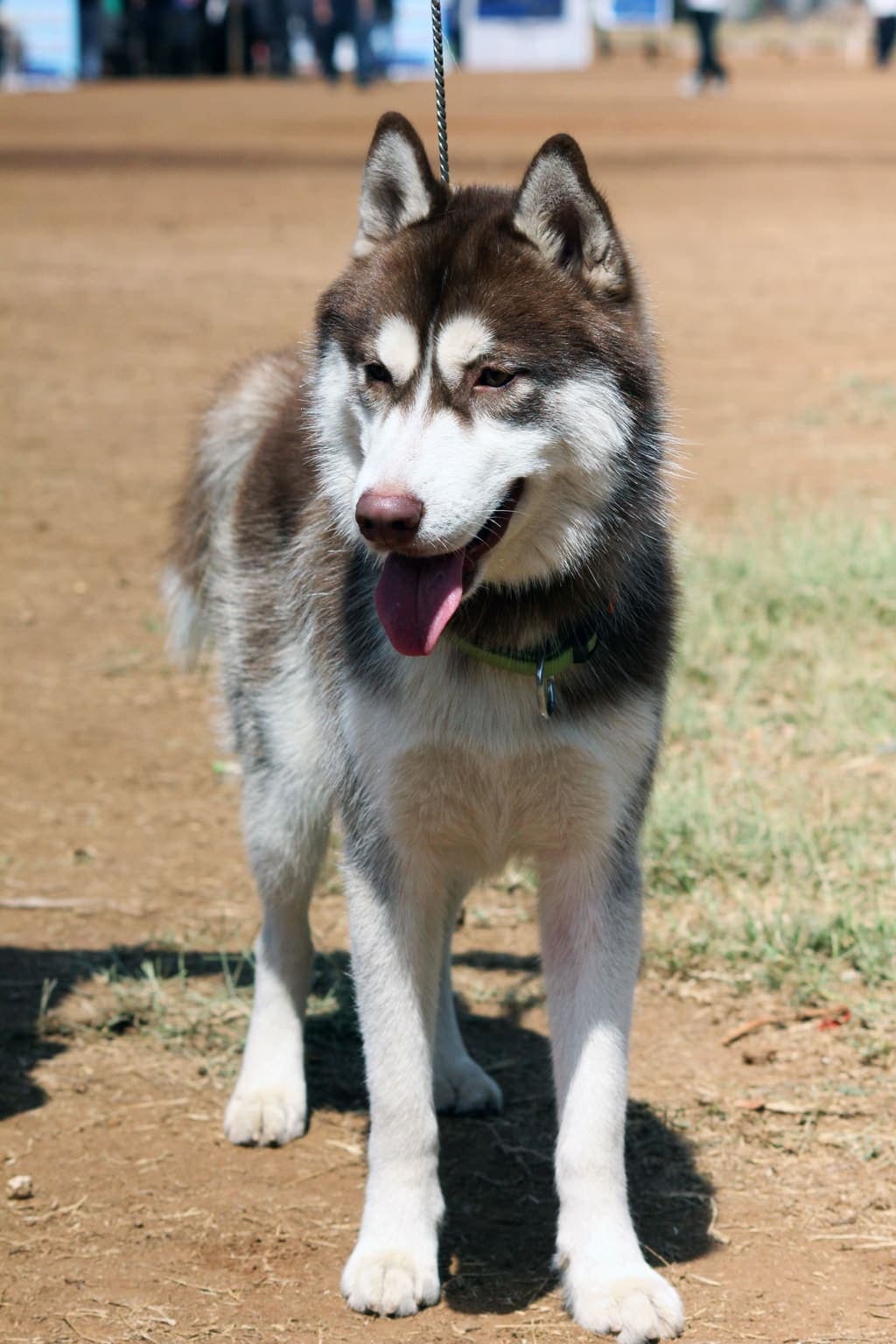
Border Collie and Siberian Husky
Often erect or tipped ears, a thick double coat, a tail carried higher, and sometimes blue eyes, which either parent can contribute. See our Husky mix guide.
Border Collie and Poodle
Sometimes sold as a "Bordoodle." A wavy or curly coat, often black and white. See our Poodle mix guide.
What a photo can and cannot tell you
A photo can show coat length, markings, ear carriage, head shape, and proportions. A photo identifier compares those with reference images and returns a ranked list of breeds the dog resembles. For a herding-type dog, expect Border Collie to share the shortlist with Australian Shepherd or another collie type. That closeness is real, and it is why the list is more useful than a single answer.
A photo cannot show ancestry or percentages, and it does not show behavior such as herding style. Our mixed breed dog identifier page explains these limits.
Take a standing side profile that shows the tail and legs, and a front-on head shot with the ears alert. See how to identify a dog breed from a photo for the full checklist.
When a DNA test is the right tool
Use a dog DNA test when you need an answer about ancestry. That includes a form that asks for breed, a veterinarian who wants breed background, or simply wanting to know. Read dog DNA test accuracy for what the tests can and cannot show.
Care points that follow from the Border Collie side
A dog that looks like a Border Collie may not act like one. These are things to be ready for and then adjust to the dog you have.
- Exercise. The AKC describes the breed as extremely energetic and says a Border Collie that does not work needs vigorous exercise every day, beyond a walk around the block.
- Mental work. The AKC recommends training that starts early and continues through the dog's life. Obedience, agility, scent games, and trick training all give a herding-type dog something to do.
- Herding behavior. The AKC notes a tendency to herd animals and people. Watch for chasing, circling, or nipping at moving children, cyclists, or cars, and get training help early if you see it.
- Socialization. The AKC calls early socialization especially important for this breed and describes Border Collies as sometimes reserved with strangers.
- Coat. Brush once or twice a week, and daily during seasonal shedding.
Frequently asked questions
My dog is black and white with a white collar. Is it a Border Collie mix?
The markings alone cannot tell you. That white pattern occurs in many breeds and mixes. Look at coat type, head shape, tail set, and size, and note how your dog behaves around moving things.
How can I tell a Border Collie mix from an Australian Shepherd mix?
Often you cannot from a photo. Merle coloring and a docked or naturally short tail lean toward the Australian Shepherd. A long, low-set tail and a lighter build lean toward the Border Collie. Many dogs sit in between.
Are all Border Collie mixes high-energy?
No. Energy and drive vary between individual dogs, and a mix may take after its other parent. It is sensible to plan for an active dog and adjust once you know yours.
How big will a Border Collie mix get?
Adult size usually falls between the parents but is not predictable for an individual dog, and the second parent is often unknown. Purebred Border Collies stand 18 to 22 inches and weigh 30 to 55 pounds.
Sources
- American Kennel Club, Official Standard of the Border Collie: https://images.akc.org/pdf/breeds/standards/Border_Collie.pdf
- American Kennel Club, Border Collie: https://www.akc.org/dog-breeds/border-collie/
- Gunter, Barber, and Wynne, "A canine identity crisis: Genetic breed heritage testing of shelter dogs," PLOS ONE, 2018: https://journals.plos.org/plosone/article?id=10.1371/journal.pone.0202633