How to Identify a Boxer Mix: Traits, Common Crosses, and Look-Alikes
Breed Identification • By Dog Breed Detector Editorial Team • 2026-11-15
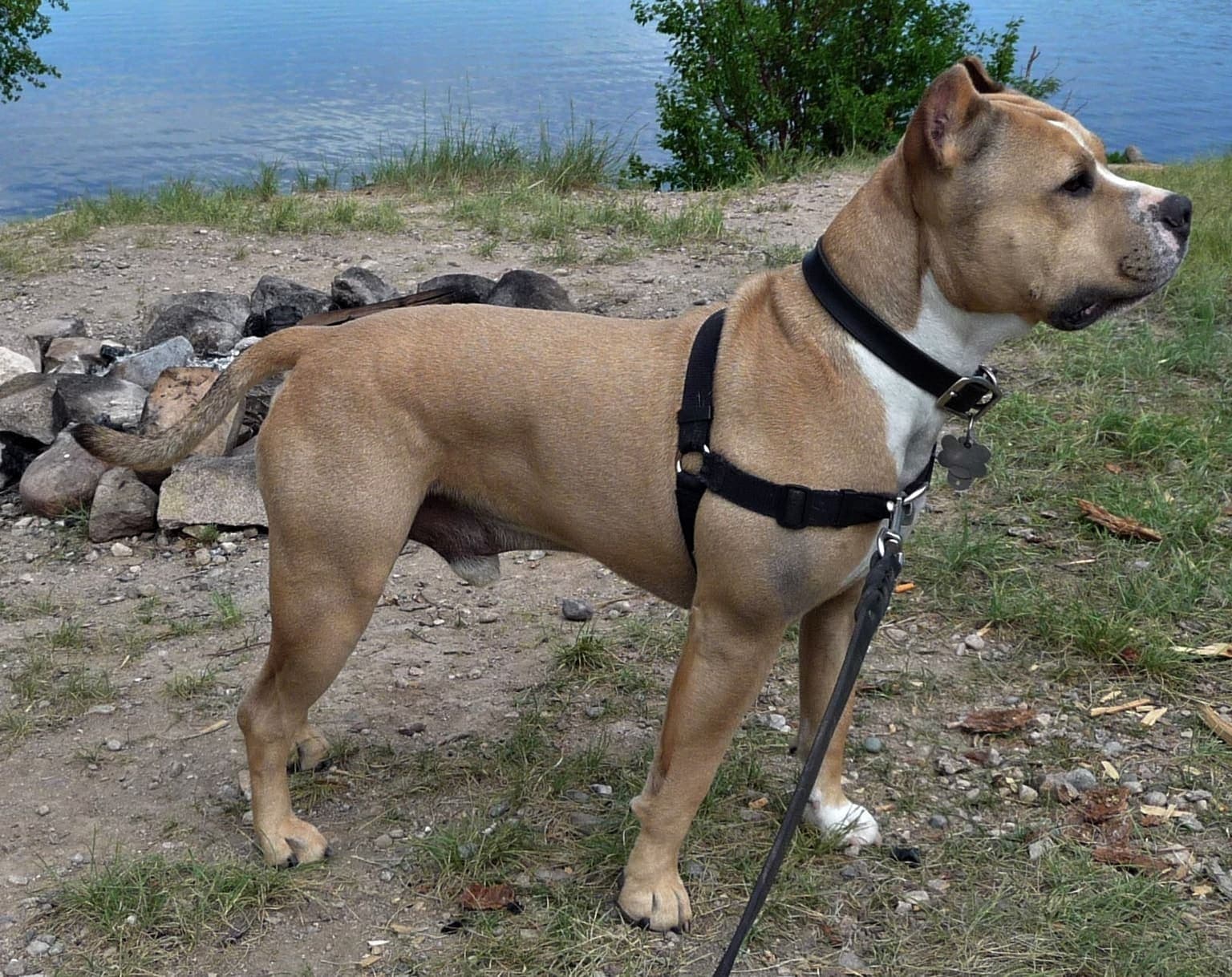
"Boxer mix" is a frequent label for a short-coated, athletic dog with a broad muzzle, especially one that is brindle or fawn with a white chest. The label is sometimes a good description. It is also given to many dogs whose look comes from bull-and-terrier or mastiff-type breeds, which share the same coat, colors, and muscular build.
This guide covers which Boxer traits tend to show in crosses, which breeds are mistaken for a Boxer mix, how the common pairings usually look, and when a DNA test is the right tool. Two limits apply throughout. A photo shows which breeds a dog resembles, not which breeds are in its ancestry. And mixed-breed appearance is variable, even within one litter.
How reliable is a visual guess?
For short-coated, broad-headed dogs, it is known to be poor. In a 2015 study published in The Veterinary Journal, shelter staff labeled 62 of 120 dogs as pit bull type while DNA testing identified 25, and agreement between staff members about the same dog was only moderate. A 2018 study of 919 dogs at two US shelters found that fewer than 5 percent were purebred and that most carried several breeds. Boxer mixes sit in the same visual territory, so treat any label, including this one, as a description of appearance until a DNA test supports it.
Boxer traits that tend to show in mixes
The purebred descriptions here follow the American Kennel Club (AKC) breed standard. In a mix, each trait may appear fully, partly, or not at all.
Muzzle and bite
The standard calls the broad, blunt muzzle the breed's distinctive feature. It is about one-third the length of the head and two-thirds the width of the skull, and the lower jaw is undershot, so it extends beyond the upper jaw and curves slightly upward. Creases run down from the stop on both sides of the muzzle. In crosses the muzzle usually lengthens, but a short, deep, square muzzle with a prominent chin and a slight underbite is the most telling Boxer feature when it appears.
Head and ears
The skull is slightly arched, with a distinct stop and cheeks that are fairly flat, not bulging. Wrinkles appear on the forehead when the dog is alert. Natural Boxer ears are of moderate size, thin, set at the highest points of the sides of the skull, lying flat against the cheeks at rest and folding forward when alert. Cropped ears are the result of surgery and tell you nothing about breed.
Coat and color
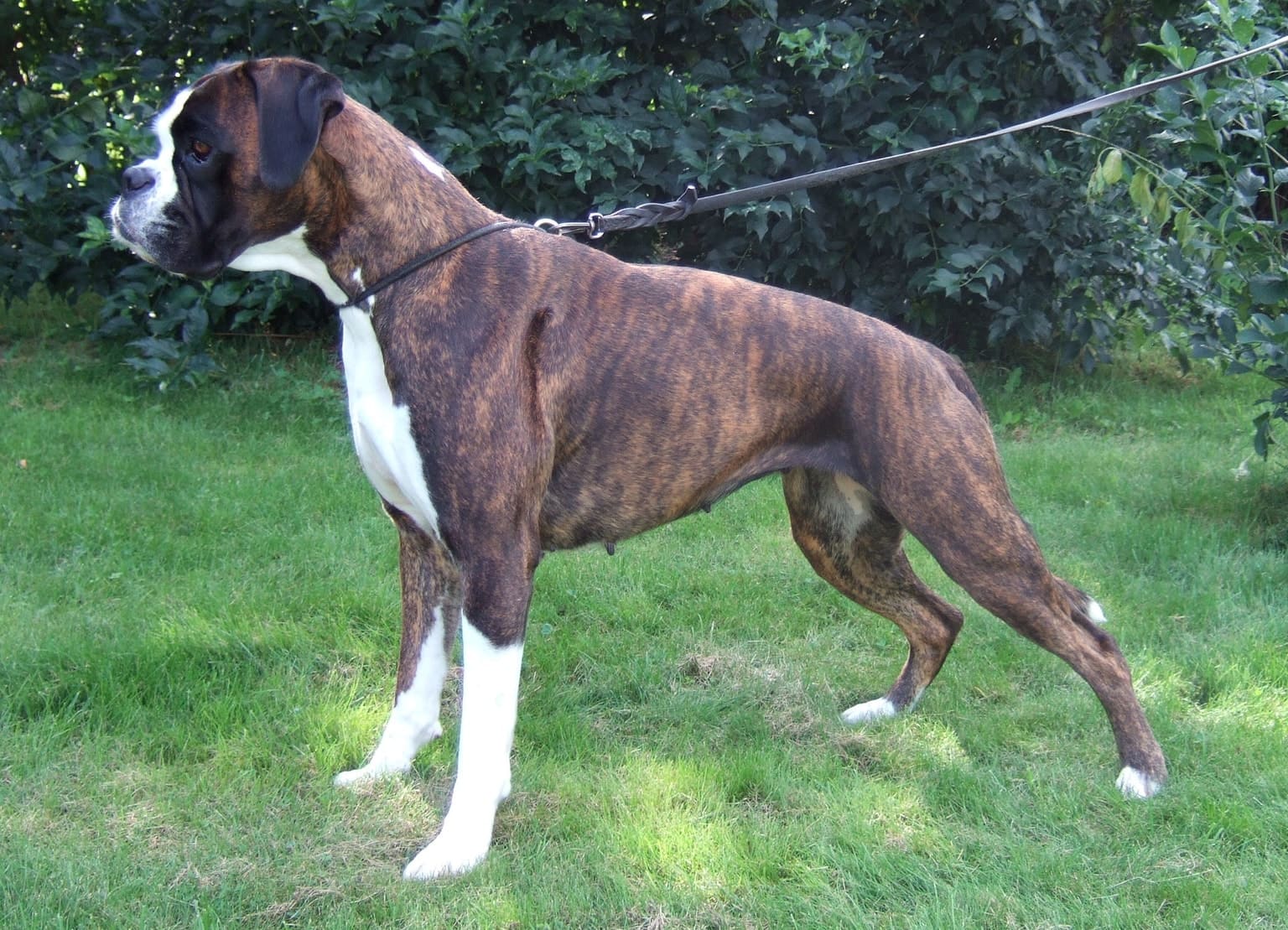
The coat is short, shiny, and tight to the body. The standard accepts two colors: fawn, from light tan to mahogany, and brindle, which is black striping on a fawn background. A black mask is expected, and white markings may cover up to one-third of the coat, typically on the chest, feet, and face. Brindle with white is the pattern people associate with the breed, but brindle also occurs in the Great Dane, Mastiff, Bullmastiff, Cane Corso, American Staffordshire Terrier, Greyhound, and Whippet. It is a clue to a group of possible breeds, not to one.
Build
The Boxer is square in profile, with a short back, a deep chest, a tucked-up belly, and long, straight forelegs. Males stand 23 to 25 inches and females 21.5 to 23.5 inches. The AKC lists 65 to 80 pounds for males, with females about 15 pounds lighter. A leggy, deep-chested, square outline separates a Boxer-like dog from the lower, wider outline of most bull-and-terrier types.
Tail
The standard describes a docked tail set high and carried upward. A mixed-breed dog will usually have a natural tail, which is long and tapering, so tail length is not useful for identification.
Breeds often mistaken for a Boxer mix
- American Staffordshire Terrier and related types: Shorter in the leg and broader in the skull, with pronounced cheek muscles and a longer muzzle that is not undershot. See our pit bull mix guide.
- Bullmastiff and Mastiff: Fawn or brindle with a dark mask, but far heavier, with a broader skull. Our Cane Corso vs Mastiff vs Bullmastiff comparison covers that group.
- Bulldog: Low, wide, and heavily wrinkled, with a much shorter muzzle.
- Boston Terrier: Brindle or black with white and a short muzzle, but small, with erect ears.
- Great Dane: Fawn and brindle Danes have a black mask and a square outline, on a much taller frame with a longer head.
The bull-and-terrier and mastiff groups both appear in our research on commonly confused dog breeds.
Common Boxer crosses and how they usually look
The names in quotation marks are informal labels. None of these crosses is an AKC-recognized breed or has a written standard, and the descriptions are tendencies reasoned from the parent breeds, not predictions for any one dog.
Boxer and Labrador
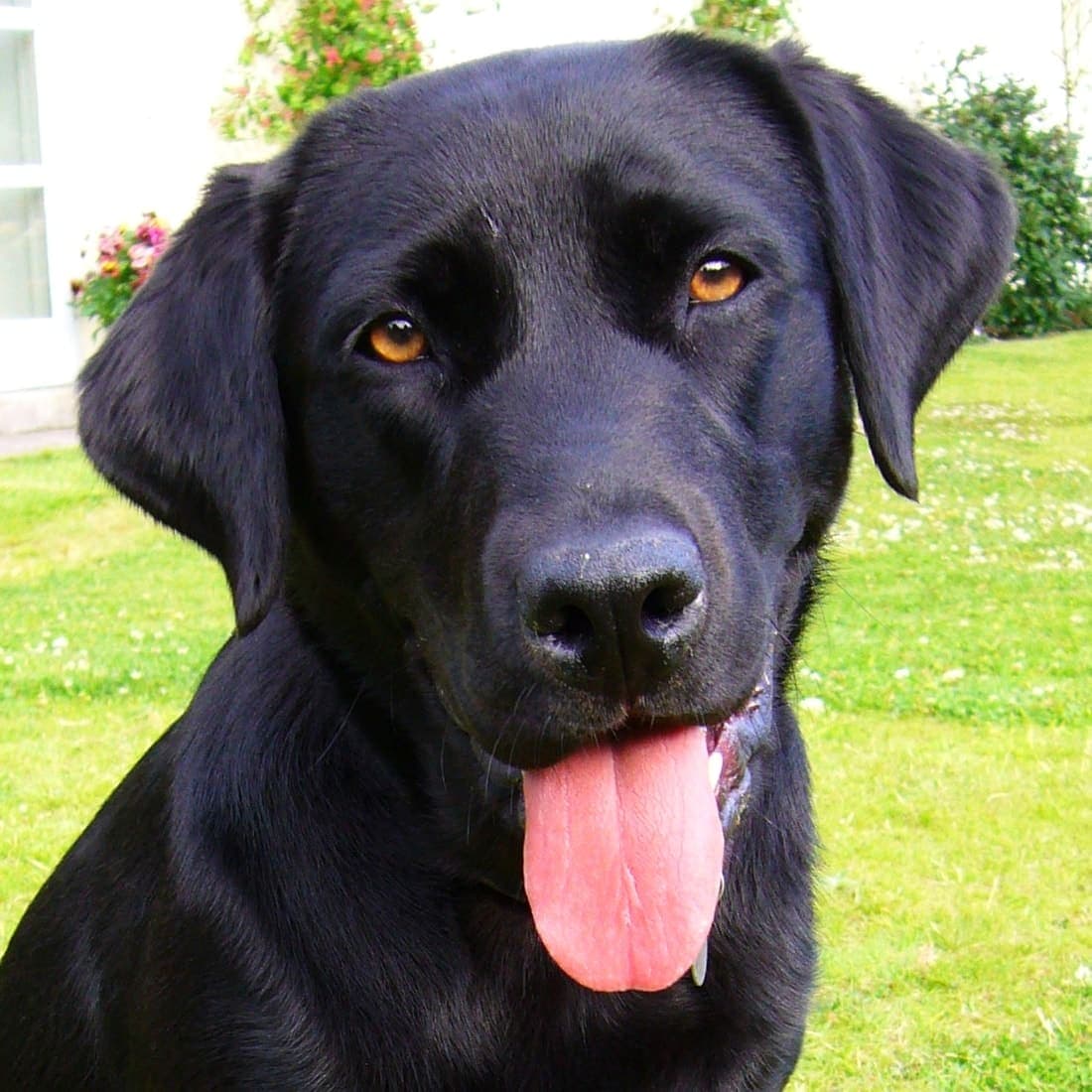
Sometimes called a "Boxador." The Labrador Retriever lengthens the muzzle and adds a thicker coat and a heavier tail. Many are solid black, brown, or fawn with white on the chest, with a broad head and a deeper chest than a Lab's. See our Labrador mix guide.
Boxer and bull-and-terrier types
Both sides are short-coated and muscular and both can be brindle or fawn with white, so this cross is very hard to separate from either parent by eye. Longer legs and a squarer muzzle than a typical bull-and-terrier dog are the most a photo can suggest.
Boxer and German Shepherd
The German Shepherd Dog contributes a longer muzzle, a thicker coat, and larger ears that may stand, tip, or fold. Fawn or brindle with a dark mask is common. See our German Shepherd mix guide.
Boxer and Mastiff types
A larger, heavier-boned dog with a broad head and a dark mask. Because fawn and brindle occur on both sides, color does not help.
Boxer and Beagle
A medium, short-coated dog, often with longer ears set lower on the head and a longer muzzle, in hound colors or fawn with white. See our Beagle mix guide.
Boxer and Bulldog
Often shorter in the leg and wider in the chest than a Boxer, with a shorter muzzle and more skin folds on the face.
What a photo can and cannot tell you
A photo can show muzzle length and shape, ear set, coat pattern, and proportions. A photo identifier compares those with reference images and returns a ranked list of breeds the dog resembles. For a dog of this type, expect a shortlist that includes Boxer alongside one or more bull-and-terrier or mastiff-type breeds. That reflects how much these breeds share, and it is a more honest answer than a single name.
A photo cannot show ancestry or percentages, and it cannot show size without a scale reference. Our mixed breed dog identifier page explains these limits.
The most useful photos are a standing side profile, which shows leg length and chest depth, and a head shot taken from the side at the dog's eye level, which shows muzzle length and the line of the jaw. See how to identify a dog breed from a photo.
When a DNA test is the right tool
Use a dog DNA test when the answer has to be about ancestry. This matters more for this group than for most, because housing and insurance rules sometimes name specific breeds and a visual label can be wrong in either direction. A photo result is not evidence for that purpose. Read dog DNA test accuracy for the limits of testing.
Care points that follow from the Boxer side
A dog that looks like a Boxer may not behave like one. These are things to be ready for and then adjust to the dog you have.
- Heat and cold. The AKC states that the Boxer does not tolerate extreme heat or cold well. A dog with a short muzzle and a short coat should be exercised in the cooler parts of the day in summer and kept indoors in cold weather.
- Exercise. The AKC describes Boxers as playful, high-energy dogs that need ample daily exercise on a leash or in a securely fenced area.
- Manners. Young Boxers are known for jumping up. The AKC recommends early socialization and puppy classes to direct that energy.
- Health screening. The AKC notes that responsible Boxer breeders screen for conditions including heart disease and hip dysplasia. A mixed-breed dog's risk is not known from its looks, so mention the possible Boxer background to your veterinarian and keep up routine checkups.
- Coat. A short coat needs little more than a weekly brush.
Frequently asked questions
My dog is brindle. Is it a Boxer mix?
Brindle alone cannot tell you. The pattern occurs in many breeds, including mastiff types, bull-and-terrier breeds, and sighthounds. Look at the muzzle, the jaw, and the dog's proportions.
Do Boxer mixes have an underbite?
Some do. An undershot jaw is part of the Boxer standard and can carry through in a cross, but many Boxer mixes have a normal bite, and other short-muzzled breeds are undershot too.
Can a photo tool tell a Boxer mix from a pit bull mix?
Not reliably. The two share a short coat, similar colors, and a muscular build, and research on shelter dogs shows that visual labels for dogs of this type are often wrong. Expect both groups in the shortlist, and use a DNA test if the distinction matters.
How big will a Boxer mix get?
Adult size usually falls between the parents but is not predictable for an individual dog, and the second parent is often unknown. Purebred Boxers stand 21.5 to 25 inches and the AKC lists adult weights from about 50 to 80 pounds.
Sources
- American Kennel Club, Official Standard of the Boxer: https://images.akc.org/pdf/breeds/standards/Boxer.pdf
- American Kennel Club, Boxer: https://www.akc.org/dog-breeds/boxer/
- Olson and others, "Inconsistent identification of pit bull-type dogs by shelter staff," The Veterinary Journal, 2015: https://doi.org/10.1016/j.tvjl.2015.07.019
- Gunter, Barber, and Wynne, "A canine identity crisis: Genetic breed heritage testing of shelter dogs," PLOS ONE, 2018: https://journals.plos.org/plosone/article?id=10.1371/journal.pone.0202633